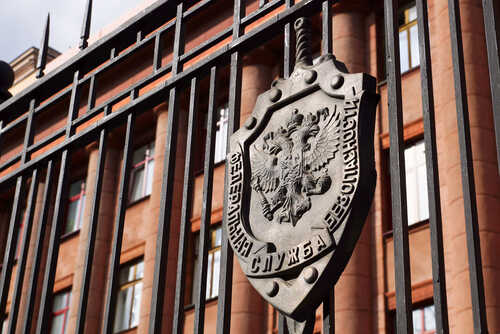
Russia’s claimed foiling of a car-bomb plot now doubles as a stark reminder of how “national security” can be used to tighten the digital noose on ordinary citizens.
Quick Take
- Russia’s FSB says it stopped a car-bomb attack targeting leaders of Roskomnadzor, the state telecoms and internet regulator.
- Authorities allege Ukrainian special services recruited seven suspects via Telegram—while Russia is simultaneously throttling Telegram and WhatsApp.
- Raids reportedly hit multiple cities, and the alleged group leader, a Moscow resident born in 2004, was killed during armed resistance.
- The episode lands amid public frustration over VPN curbs and rolling internet outages that officials justify as wartime security measures.
FSB Announces Foiled Attack on Russia’s Internet Gatekeepers
Russian security services said on April 24, 2026, that they thwarted a “terrorist” plot involving a car bomb aimed at the leadership of Roskomnadzor, the agency that polices Russia’s telecoms and internet space. According to the FSB, raids led to the detention of seven suspects across several cities, while the alleged organizer—a Moscow resident born in 2004—was killed after resisting arrest. Criminal cases were opened with penalties that can include life sentences.
Russian reporting around the case centers on the claim that the plot was directed from abroad and designed to disrupt Roskomnadzor’s ongoing clampdown on digital communications. The FSB said weapons and explosives were seized and released video of operations and interrogations, though outside observers have limited ability to independently verify the allegations or the context around filmed “confessions.” That verification gap matters because the story sits at the intersection of war, propaganda, and state power.
Telegram Recruitment Claim Collides With Russia’s Messaging-App Crackdown
The most revealing detail is also the most ironic: Russian authorities say the suspects were recruited through Telegram, one of the very platforms Roskomnadzor has been restricting. Over recent months, Roskomnadzor has throttled Telegram and WhatsApp, while promoting the state-backed “Max” messenger and intensifying controls on VPN use. Russians in major cities have also experienced outages that officials attribute to security measures, including defenses against Ukrainian drones.
Those restrictions are not just technical tweaks; they shape what people can say, see, and organize online. Roskomnadzor has steadily expanded its power since the early 2010s and accelerated controls after Russia’s 2022 invasion of Ukraine, including major blocks and pressure on foreign platforms. Whether one views the FSB’s plot narrative as fully proven or not, the political incentive is clear: a security scare tied to messaging apps and “extremism” reinforces the case for a tighter state grip over digital life.
What’s Known, What’s Not, and Why It Matters in a War Narrative
Multiple outlets carried the same core account: a foiled attack, seven detained suspects, and an alleged organizer killed during armed resistance. The consistent element across coverage is that these claims trace back to the FSB, and there is no public, independent confirmation of the alleged Ukrainian direction of the plot. The suspect group is described as far-right or neo-fascist supporters, but details about their identities, motives, or evidentiary basis remain limited in public reporting.
Broader Implications: Security Versus Liberty in the Digital Age
The immediate impact is likely more pressure on Russian internet users and businesses that rely on stable, open communications—especially those using VPNs or Western-linked platforms for work and commerce. Longer term, the episode could accelerate Russia’s push toward a more isolated “sovereign internet,” with domestic alternatives favored and foreign tools treated as potential threats. That trajectory echoes a familiar pattern: governments cite safety to expand control, while average people pay the price through higher friction, fewer choices, and less transparency.
For American readers watching from afar, the relevance is less about taking sides in a foreign conflict and more about recognizing the durable lesson: once a state can selectively throttle apps, constrain encryption, or treat circumvention tools as suspect, it gains leverage over the population that is hard to roll back. The available reporting does not provide enough independent evidence to confirm the FSB’s claims about Ukrainian orchestration, but it does clearly show how quickly alleged plots can be folded into a broader campaign to justify sweeping online controls.
Sources:
Russia says foiled bomb plot against telecoms officials amid online curbs
Russia says foiled bomb plot against telecoms officials amid online curbs
Russia says foiled bomb plot against telecoms officials amid online curbs
Russia foils bomb plot against telecoms execs amid online curbs
FSB foils bomb plot targeting Russian telecom officials
Russia says it foils a plot to bomb telecoms watchdog leaders: Interfax