
Hundreds of tourists were rushed off Croatia’s Brač Island by sea overnight as a fast-moving wildfire reached a seaside resort and surrounding bays.
Story Highlights
- Authorities evacuated people by sea near the town of Milna after flames pushed to the coast.
- The Gava Waterman Milna Resort said 400 guests and staff were evacuated, with no reported injuries.
- Reports varied from more than 200 to nearly 700 total evacuees as operations unfolded in waves.
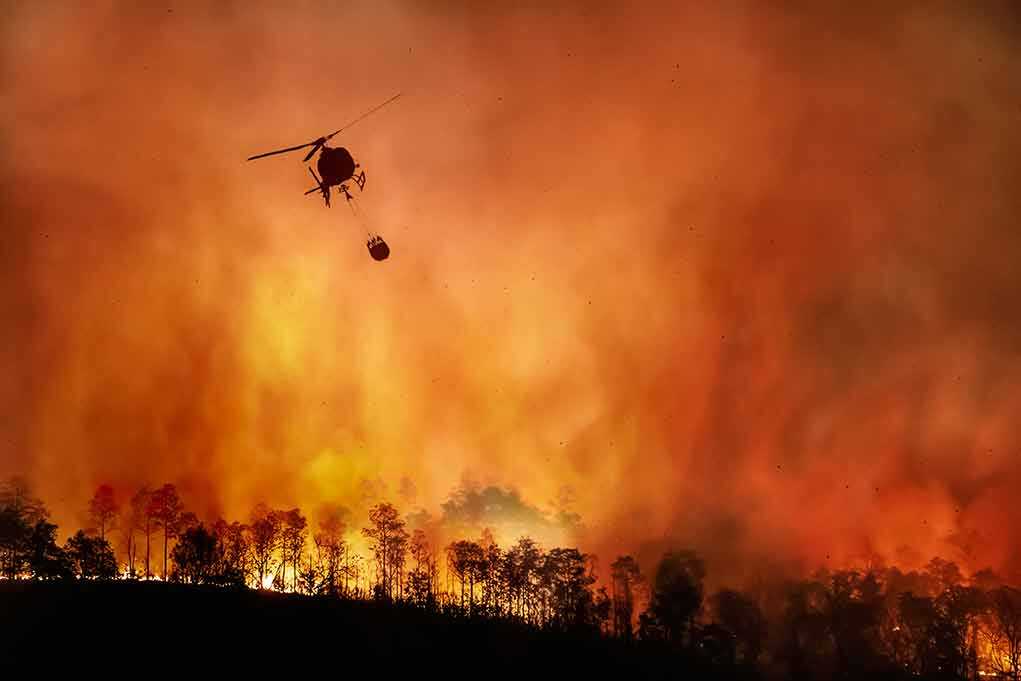
- Fire crews and water-bombing planes fought the blaze through the night as winds drove the fire line.
Wildfire Pushes To The Coast, Triggers Sea Evacuations
Croatian responders moved fast when a powerful wildfire reached the southwest coast of Brač Island near Milna late on September 12. Officials directed boats from the harbor master, maritime police, the navy, and private owners to ferry people out of danger. Reports said evacuations began shortly before 10 p.m., as smoke and wind made roads risky and bays crowded. Several accounts placed the seaborne evacuations in the hundreds, reflecting multiple pickup points over hours.
Early counts varied, which is common in moving disasters. Some outlets cited “more than 200” taken off beaches and coves near Milna, while others said “around 230” were evacuated by sea in that area alone. Wider tallies described “nearly 700” evacuees island-wide as operations continued overnight. The spread in numbers likely reflects separate waves, multiple locations, and parallel rescues that were later grouped under one event as officials consolidated reports.
Resort Confirms 400 Evacuated, No Injuries Reported
The Gava Waterman Milna Resort and Cottages reported that staff and guests were evacuated as the fire reached the property’s area. The resort said 400 people, including employees, were moved to safety. The statement emphasized that no injuries among guests or workers were known at the time. That account aligns with local reports of the fire advancing toward tourist facilities, which drove urgent actions to clear at-risk zones and stage pickups by land and sea through the night.
Local media described strong winds that pushed flames toward Milna and nearby bays, tightening the window for safe road passage. Maritime authorities and private boat owners stepped in, creating a shuttle of craft moving people off beaches and from pier heads. Air crews flying Canadair water bombers supported ground firefighters. The joint effort stabilized conditions enough to protect homes and tourist areas, with crews holding lines and steering the fire away from dense housing at daybreak.
What The Numbers Mean For Travelers And First Responders
Evacuation counts in coastal wildfires often change as agencies combine logs from police, harbor masters, resort managers, and volunteers. In this case, the range—over 200 by sea in Milna, 400 at a named resort, and “nearly 700” overall—captures a layered operation rather than a single lift. For travelers, the lesson is direct: heed local orders fast, move light, and follow the boats or buses assigned to your spot. For officials, clear staging points and plain messages save time and lives.
American families who travel abroad should plan like they do at home. Learn exit routes on day one, keep shoes and essentials handy at night, and store travel papers where you can grab them. Save the local emergency number and the hotel’s landline. When smoke moves in, do not wait for a perfect plan—move to the designated muster area and follow responders. These steps respect personal responsibility and help first responders do their job without delay, wherever you are.
Sources:
mirror.co.uk, srpske.rs, weekend.at, dalmacijanews.hr