

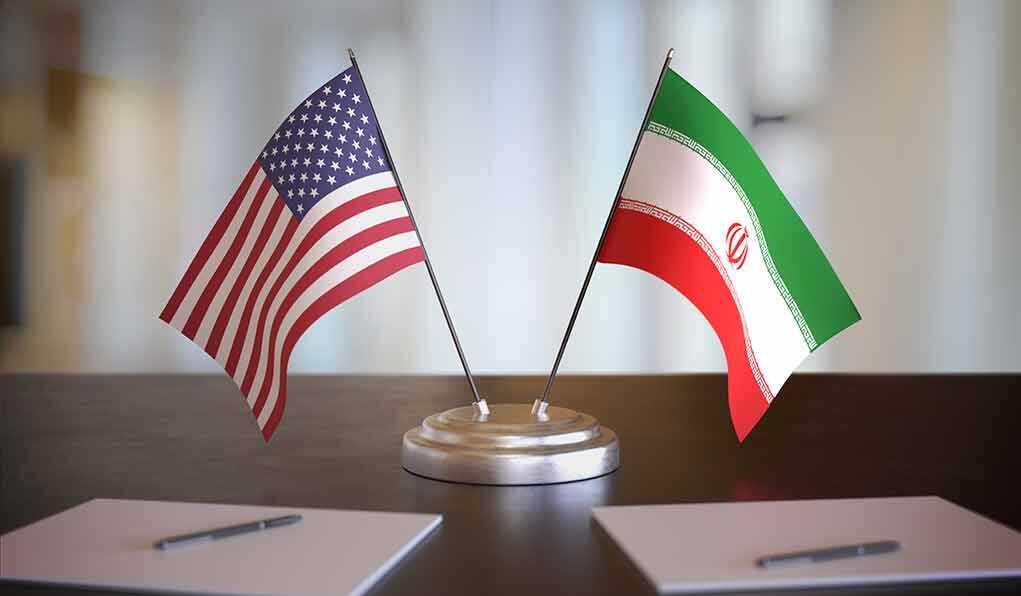
President Trump confirmed he is weighing whether to resume massive strikes on Iran as Tehran pushes sweeping demands that would weaken U.S. leverage.
Story Highlights
- Trump says a “big decision” is imminent on Iran’s regime and future U.S. strikes.
- White House signals talks with Gulf partners as Iran hints it “wants a deal”.
- United Nations nuclear watchdog referred Iran to the Security Council after 20 years.
- Iran-linked sources float conditions: end fighting on all fronts and unfreeze funds.
Trump Signals Decision Point On Iran Strategy
President Trump said he is nearing a critical choice on Iran. He told Axios he is deciding whether to “annihilate” the Iranian regime or hold off, stressing that anything could happen. Reuters reported Trump believes the war could be nearing its end, while noting Iran has sent messages that it may want a deal. These statements mark a clear public signal. The administration is keeping pressure on Tehran while leaving room for a diplomatic off-ramp that protects U.S. interests.
Trump’s posture matches a proven playbook. Keep options open. Maintain military pressure. Test if leverage can force a safer end state. He plans to meet leaders from six Gulf nations in New York alongside the United Nations meeting to discuss next steps and a possible postwar plan. Those talks matter. Gulf partners face Iran-backed threats. Any endgame must deter future attacks, protect shipping, and stop the regime from turning pauses into rearmament windows.
Global Watchdogs Turn Up Heat On Tehran
The International Atomic Energy Agency’s board referred Iran to the United Nations Security Council for the first time in 20 years over failures to cooperate with nuclear inspectors. The Board cited traces of uranium at undeclared sites and a lack of answers from Iran, prompting the rare referral. That legal step raises pressure on Tehran and supports Washington’s case. It shows the nuclear file is not a side issue. It sits at the center of any real end to the conflict.
For many Americans, this hits home. The last decade saw “deals” that let Iran stall while keeping its networks alive. The Security Council referral resets the frame. Facts on the ground drive policy, not wishful thinking. Iran must comply and verify. Until then, the U.S. cannot hand over cash or relief that funds rockets, terror cells, or attacks on our troops and allies. Accountability first. Concessions come only after compliance that can be checked.
Tehran’s Reported Demands And The U.S. Response
Iran-linked officials and outlets claim Tehran sent conditions to end the fight. These include ending the war on all fronts, unfreezing Iranian funds, and lifting a naval blockade. Other reporting earlier in the year described a broader list, like guarantees against future attacks, reparations, and claims over the Strait of Hormuz. These terms would shift leverage to Tehran and reward aggression. The administration has not accepted those demands. Trump said Iran “wants to make a deal,” but he will judge the terms.
Reuters quoted a senior Iranian official saying Tehran would halt its own attacks if U.S. strikes also stop, describing an “attack for attack” stance. That is not a peace plan. That is a pause Iran can exploit to move arms and prepare the next round. The U.S. aim is different. Stop the cycle. End the threat network. Secure sea lanes. Ensure Iran cannot restart nuclear advances under cover of a ceasefire. Any deal must lock in those outcomes, or it is not worth the paper.
What Comes Next: Pressure, Partners, And Clear Red Lines
Next week’s planned meetings with Gulf leaders will test unity and resolve. Partners want a stable finish and firm deterrence. The U.S. wants both, without endless deployments or blank checks. The referral to the Security Council gives a legal track to match the military and diplomatic lines of effort. Together, those tools can box in Tehran. The question is timing. Trump said he is close to a decision on resuming large strikes if needed to close the fight.
For conservative readers, here is the bottom line. Do not pay ransoms. Do not trade away sea freedom. Do not bless Iran’s nuclear games. Use strength to force compliance. Then, if Iran truly changes course, tie relief to verified steps that protect Americans, our troops, and our allies. That is common sense. That is constitutional duty. President Trump has kept the choice simple: Iran can face more force, or it can take a real path to peace on American terms backed by facts, not slogans.
Sources:
facebook.com, axios.com, caliber.az, middleeasteye.net, anews.com.tr, fox29.com, dw.com, aljazeera.com