The United Nations chief publicly called Pakistan a “trusted” mediator between the United States and Iran, spotlighting a high-stakes channel shaping war-and-peace decisions in the Middle East.
Story Highlights
- United Nations Secretary-General praised Pakistan as a trusted mediator between the United States and Iran.
- Reports say Pakistan helped broker a June pause in fighting and set a roadmap for talks.
- United Nations spokesperson credited Pakistan’s role in pushing a return to diplomacy.
- Analysts say Pakistan hosted rare, direct United States–Iran meetings in Islamabad.
UN Secretary-General Elevates Pakistan’s Mediation Role
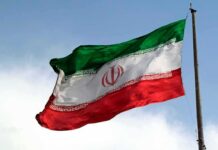
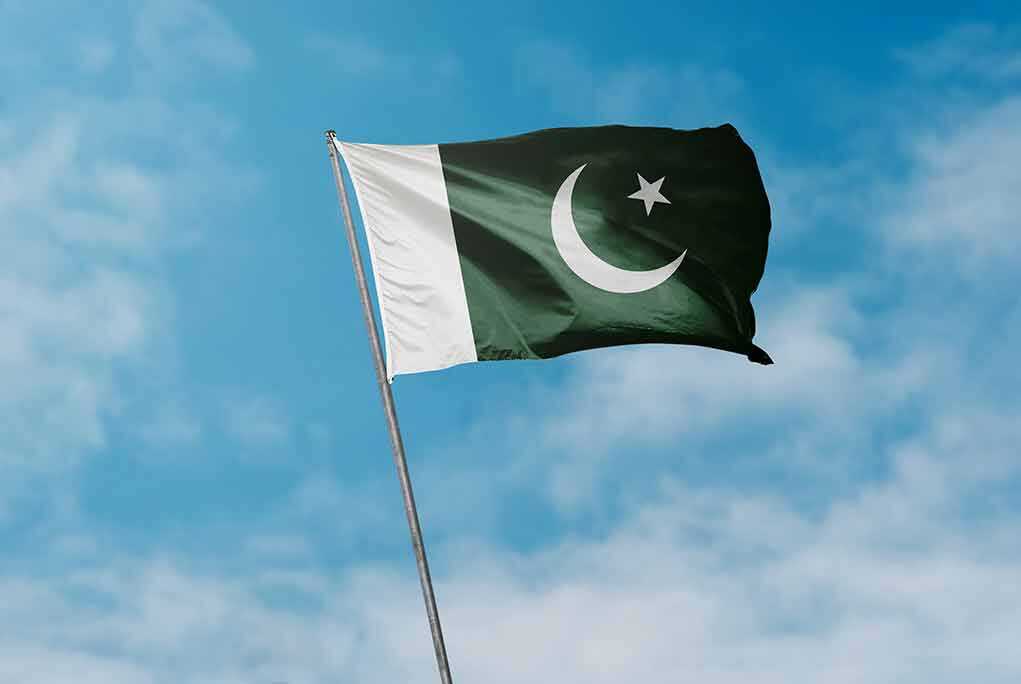
United Nations Secretary-General António Guterres said Pakistan acted as a “crucial mediator” between the United States and Iran and is “trusted even by countries that are at odds with each other”. He delivered the remarks during a visit tied to efforts to end the conflict. His praise signals that Islamabad now sits at the center of contacts that can pause strikes, reopen sea lanes, and lower the chance of a wider war. That attention also raises stakes for United States policy choices.
United Nations briefings in New York and reports from the region stressed Pakistan’s practical role. The United Nations highlighted a push to “return to diplomacy” and thanked Pakistan for taking the mediating lead, alongside others who provided support. This framing points to coordination, not a single-actor fix. But it still credits Islamabad with building enough trust with both sides to keep talks alive when tempers run high and missteps can trigger fast escalation.
What Pakistan Reportedly Achieved So Far
Coverage says Pakistan helped broker a June understanding that briefly halted fighting and set a path for further talks. Research also describes Islamabad hosting the first direct United States–Iran meetings in decades, a rare and risky step for both sides. These efforts did not end the war outright. But they created time and space to test off-ramps, reduce maritime risk, and sort issues into tracks where progress is possible without giving away core security interests.
United Nations and regional reports describe this as mediation with help from partners like Qatar, not an exclusive franchise. That approach fits the pattern of crisis diplomacy, where middle powers offer safe venues, pass messages, and manage logistics. The key is credibility with both capitals at once. Analysts say Pakistan gained that “triangular” acceptability and used it to keep doors open even when new strikes or harsh rhetoric threatened to shut talks down.
Why This Matters For America’s Security And Wallet
Energy prices jump when shipping lanes face drone swarms, mines, or missile fire. Pakistan’s steps that pause clashes and reopen trade routes help keep fuel moving and prices steadier. That supports United States families fighting high costs and protects American jobs tied to transport and farming. When talks calm the Gulf, our troops face fewer emergency deployments, and our Navy can focus on core missions. Mediation that cuts risk also protects United States partners and deters broader chaos that our nation would pay to contain.
UN Secretary-General @antonioguterres arrives in Pakistan for a three-day official visit.
Invited by Deputy Prime Minister and Foreign Minister Mohammad @MIshaqDar50, Guterres is in Pakistan from October 6–8, his first visit since 2022.
His talks are expected to include… pic.twitter.com/zhHIbrNhoH
— Pak Asia Youth Forum (@payf_official) October 6, 2026
For conservatives, the test is simple: put American interests first. If Pakistan’s role lowers threats to our sailors, limits Iran’s room to cause trouble, and helps end a costly conflict on terms that protect United States strength, then it serves us. United States leaders should use every useful channel, demand verifiable steps from Iran, and keep pressure ready if talks stall. That balance—firm deterrence plus real diplomacy—backs our troops, defends our economy, and avoids open-ended wars we do not need.
How The Mediation Works And The Limits Ahead
Analysts say Islamabad’s value comes from steady ties with Washington and working links to Tehran, plus a willingness to host, shuttle, and separate talks into parts like maritime safety, prisoners, and nuclear issues. That setup lets each side test proposals without public grandstanding. Still, it has limits. Mediators cannot force a final deal. They can slow the climb to war and build habits of contact. Durable peace will need clear terms, inspection paths, and snap-back penalties if Iran cheats.
The Road From Here
United Nations leaders plan to keep engaging Pakistan’s team while nudging both capitals to stay at the table. American negotiators can press for practical wins that matter fast: safer shipping lanes, no-strike zones, and verified pauses that last longer each round. If Islamabad’s channel keeps talks moving, Washington can lock in gains and keep leverage for bigger files. That is how you secure calm without concessions that weaken our red lines or invite new attacks later.
Sources:
insiderpaper.com, freemalaysiatoday.com, aa.com.tr, studies.aljazeera.net, cfr.org, al-monitor.com