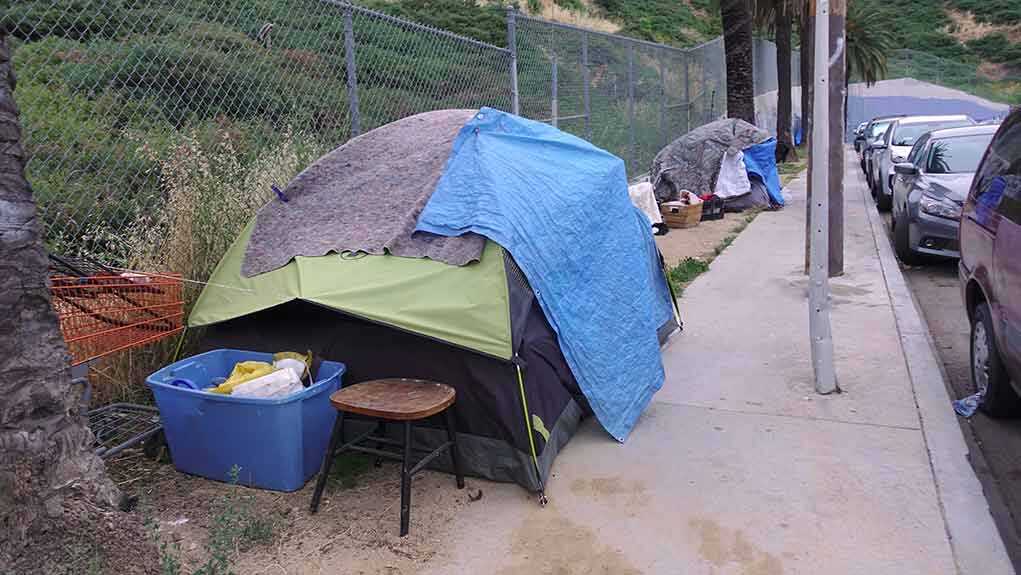
Thousands of protesters camped out for days in the heart of Madrid, demanding the Spanish government freeze rents by decree after officials evicted an 87-year-old woman from the home she had lived in for more than 70 years.
Story Snapshot
- Protesters set up roughly 150 tents in Madrid’s Puerta del Sol square, camping for a third straight day.
- The eviction of 87-year-old María del Carmen “Maricarmen” Abascal sparked the demonstration.
- Organizers demanded a government rent freeze, indefinite rental contracts, and a ban on evictions without alternative housing.
- Crowd estimates ranged wildly, from 25,000 by authorities to as many as 500,000 by the Tenants’ Union.
- The Bank of Spain estimates the country is short roughly 550,000 homes.
An Elderly Woman’s Eviction Ignites Mass Protest
The spark for the camp-out was the eviction of Maricarmen Abascal, an 87-year-old woman removed from her Madrid home after decades there. Her case quickly became the symbol of a housing fight that had been simmering across Spain for years. Protesters pitched tents in Puerta del Sol, the same square once occupied during the 2011 anti-austerity movement, and vowed not to leave until the government responded.
Alberto Macias, spokesman for the Carabanchel Housing Union, made the group’s intentions clear. “We will stay for as long as necessary,” he told reporters as the camp entered its second night. That kind of commitment turned what could have been a one-day rally into a sustained standoff with Prime Minister Pedro Sánchez’s government, which found itself under growing pressure to act fast.
Protesters Demand Rent Freeze And Tighter Tenant Protections
The protesters’ central demand was simple on paper but massive in scope: a government decree freezing rents outright. Beyond that, demonstrators called for indefinite rental contracts, stronger legal protections for tenants, and a ban on evictions when no alternative housing exists. Those are the kinds of sweeping government mandates that tend to draw cheers from activists and alarm from economists who study rental markets.
Crowd size became its own point of contention. Euronews reported roughly 150 tents filled the square, with turnout estimates splitting wildly between 25,000 counted by authorities and more than 300,000 claimed by the Madrid Tenants’ Union. The BBC reported an even bigger gap elsewhere in the country, with organizers claiming 500,000 participants against an official count of 70,000. Whatever the true number, the message reached Sánchez’s government, which Reuters reported was actively preparing a policy response as pressure mounted.
Spain’s Housing Shortage Fuels Public Anger
Behind the tents and chants sits a hard number that’s tough to dismiss: the Bank of Spain estimates the country is short about 550,000 homes. Subsidized rental housing makes up less than 2 percent of Spain’s housing stock, compared with an 8 percent average across the European Union. That gap didn’t appear overnight, and it explains why renters in major cities feel squeezed no matter which party runs the government.
Protests continued in Madrid and cities across Spain after Parliament rejected the government’s proposed housing relief measures. Prime Minister Pedro Sánchez has now called an early general election for November 29.
The protests were sparked in part by the eviction of… pic.twitter.com/zUklpgk6yM
— APT News (@APT__News) October 5, 2026
It’s worth noting that Spain already passed a national housing law in 2023 aimed at easing exactly this kind of pressure, yet the shortage and anger only grew. That pattern should sound familiar to Americans who have watched rent-control fights play out in cities like New York and San Francisco, where heavy-handed government price controls often shrink the supply of available rentals rather than expand it.
A Cautionary Tale For Government-Controlled Housing Markets
Conservatives have long argued that government price-fixing on housing tends to backfire, discouraging landlords from offering units and slowing new construction instead of fixing scarcity. Spain’s experience offers a real-time case study: years of growing regulation paired with a housing shortage that keeps climbing, now boiling over into street camps demanding even more government control rather than policies that actually boost supply and protect property rights.
Washington should watch closely as Madrid’s camp plays out. A government response built on rent freezes and expanded tenant mandates may buy short-term political cover for Sánchez’s government, but it does nothing to address the underlying shortage the Bank of Spain has already documented. For American conservatives wary of similar proposals creeping into blue-state housing debates, Spain’s standoff is a timely warning about where heavy government intervention in housing markets tends to lead.
Sources:
reuters.com, afp.com, euronews.com, surinenglish.com, abcnews.com