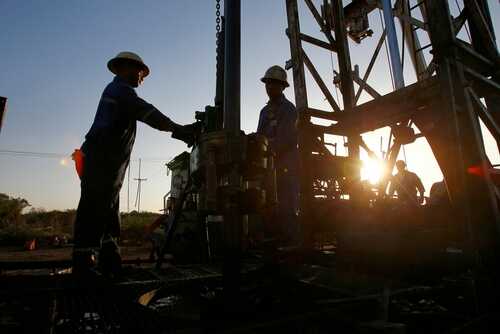
The United States is set to drill for oil in Venezuela, marking a significant shift in foreign policy and energy strategy.
Story Highlights
- President Trump announces a major energy deal with Venezuela after Maduro’s arrest.
- Venezuelan lawmakers approve a bill allowing private oil sector investment.
- The U.S. aims to lower domestic gas prices and counter global rivals.
- This move marks a transition from sanctions to investment in Venezuela.
Trump’s Energy Strategy Unveiled
President Donald Trump recently announced a groundbreaking energy deal with Venezuela, following the dramatic removal and arrest of Nicolás Maduro. This agreement paves the way for U.S. and foreign oil companies to invest in rebuilding Venezuela’s decimated oil infrastructure, which holds the world’s largest proven reserves. The deal is seen as a strategic move to revive output and counter global energy rivals, promising to lower U.S. gas prices significantly.
This historic development comes after intense U.S. diplomatic and military pressure, culminating in Maduro’s extradition to New York on drug charges. The White House has issued an executive order titled “Safeguarding Venezuelan Oil Revenue for the Good of the American and Venezuelan People,” highlighting a commitment to both American energy security and Venezuelan economic recovery. The move has garnered mixed reactions, with some stakeholders expressing skepticism over the rapid transition.
Watch:
Venezuelan Legislative Reforms
In a significant legislative shift, Venezuelan lawmakers have given initial approval to a bill that opens the country’s oil sector to private investment. Acting President Delcy Rodríguez delivered a state of the union address urging these reforms, despite her previous anti-U.S. stance. The changes are expected to attract over $100 billion in foreign investment, primarily from U.S. oil giants like Chevron and ExxonMobil, which are eager to capitalize on Venezuela’s untapped potential.
The reforms are a direct response to the Trump administration’s demands and mark a departure from years of state monopoly over the oil industry. With infrastructure in decay and production plummeting, Venezuela’s parliament is taking bold steps to reverse the economic collapse that has plagued the nation for decades.
Implications for Global and Domestic Markets
This strategic pivot holds significant implications for both global and domestic markets. In the short term, it promises a surge in Venezuela’s oil revenue and a potential drop in U.S. gas prices to below $2 per gallon. However, the influx of Venezuelan crude may strain relations with Cuba, a long-time ally, as oil shipments may be curtailed.
Long-term, this move could reshape global oil supply dynamics, boosting U.S. leverage against adversaries while providing a lifeline to Venezuela’s struggling economy. However, U.S. shale producers express concern over depressed prices, as the increased supply could impact domestic drilling operations.
Sources:
Trump Claims Historic Venezuela Oil Deal After Maduro Arrest
US Oil Producers Slighted by Trump’s International Focus
Venezuela Opens Oil Sector to Private Investors
Safeguarding Venezuelan Oil Revenue
ExxonMobil’s Perspective on Venezuela