

Justice Amy Coney Barrett’s latest Supreme Court votes on mail‑in ballots and birthright citizenship are forcing conservatives to ask how far judicial “neutrality” can stretch before it weakens election security and border control.
Story Snapshot
- Justice Barrett wrote a 5-4 opinion letting Mississippi count mail-in ballots that arrive up to five days after Election Day, siding with Chief Justice Roberts and the Court’s liberal bloc.
- Conservatives like Senator Eric Schmitt blasted the ruling as “shockingly wrong” and “terrible for election integrity,” warning it opens the door to chaos in close races.
- Barrett also joined a majority that struck down Trump’s order limiting birthright citizenship, backing broad citizenship rights for children of illegal immigrants.
- Despite these crossover votes, Barrett still has a mostly conservative record, including key decisions backing Trump on abortion, immigration, and executive power.
Barrett’s Mail-In Ballot Ruling Alarms Election Integrity Hawks
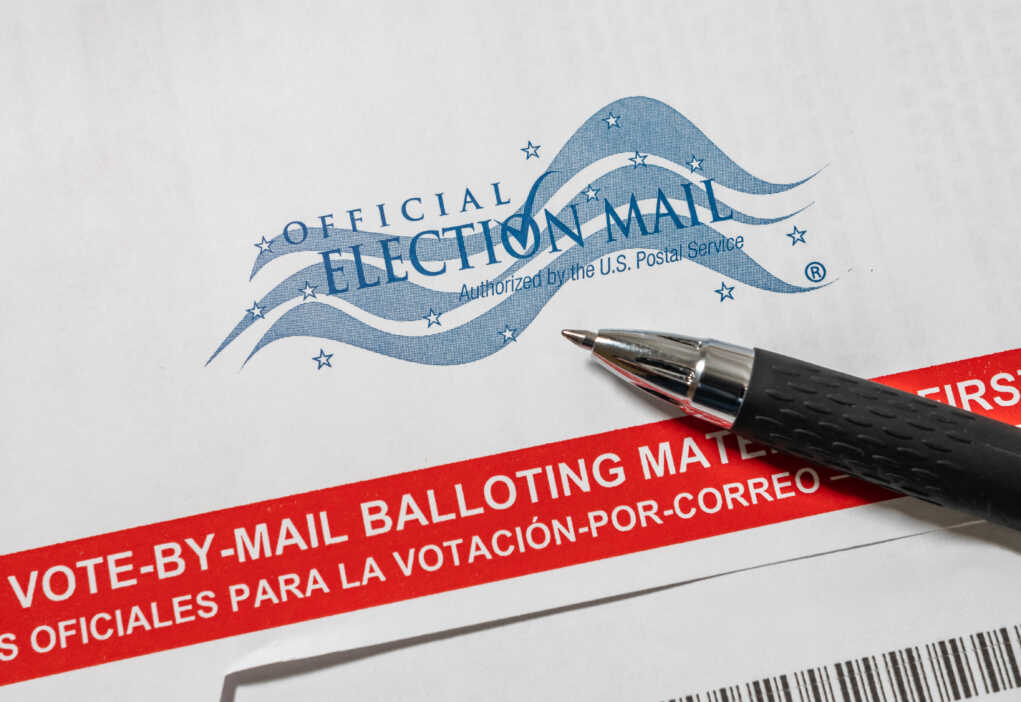
In Watson v. Republican National Committee, Justice Amy Coney Barrett wrote the majority opinion in a 5-4 case that upheld Mississippi’s law allowing mail-in ballots postmarked by Election Day to be counted if they arrive within five days. She joined Chief Justice John Roberts and the three liberal justices, while four conservative justices dissented. Her opinion said the “choice” of the electorate happens when voting ends, not when ballots are received, so federal Election Day statutes do not block states from using grace periods.
Justice Samuel Alito, joined by Justices Clarence Thomas, Neil Gorsuch, and Brett Kavanaugh, blasted Barrett’s reading of the law. His dissent argued that federal election statutes have long been understood to require ballots to be received by Election Day, warning that stretching deadlines invites confusion and litigation. Conservative critics say this ruling weakens clear rules and invites post‑Election Day ballot fights, especially in tight races, undermining the trust that clean elections depend on.
Grassroots Conservatives Feel Betrayed, While Institutions Stay Quiet
Conservative backlash was fast and sharp. Senator Eric Schmitt called Barrett’s decision “shockingly wrong” and “terrible for election integrity,” echoing fears that late-arriving ballots can be abused or mishandled. Commentators and YouTube hosts pushed the idea that a Trump-appointed justice had undercut the very movement that fought for tighter mail voting rules. Yet, despite loud anger online, there has been little serious Republican-led legislative push to standardize ballot receipt deadlines nationwide, leaving many voters feeling abandoned by political leaders.
Mainstream outlets like The New York Times and ABC News framed the decision as a win for “democracy” and voting rights. They praised the Court for stopping what they called a partisan effort to block legal votes, and highlighted the Democratic National Committee’s celebration that “democracy prevailed.” That messaging paints conservative concern about mail ballots as paranoia about fraud. It also makes it harder for serious election security arguments to get a fair hearing in the public square, even when rooted in long-standing statutory practice.
Birthright Citizenship Case Shows Barrett’s Complex Conservative Record
Barrett’s role in Trump v. Barbara added fuel to the fire. In that case, the Court struck down President Trump’s effort to limit birthright citizenship for children born in the United States to parents who are in the country illegally. Chief Justice Roberts wrote the majority opinion, joined by Justices Elena Kagan, Sonia Sotomayor, Barrett, and Ketanji Brown Jackson. The ruling relied on the plain text of the Fourteenth Amendment and earlier precedent, holding that these children are citizens at birth.
During oral arguments, Barrett pressed the Trump administration on how such a limit would even work, noting you cannot know a parent’s long-term intentions at the moment a baby is born. Civil rights groups and many legal scholars praised the ruling as protecting a “foundational” constitutional right. For border hawks, though, it looks like the Court locked in a citizenship rule that encourages birth tourism and makes it harder to get control over illegal immigration flows. That tension sits right at the heart of the Trump-era promise to secure the border.
Pattern of Cross-Over Votes: Caution or Drift?
Some conservatives now say Barrett is “going soft,” but her broader record tells a more mixed story. Studies of her voting show she has been strongly conservative overall, much more than her liberal predecessor Ruth Bader Ginsburg. She helped overturn Roe v. Wade in Dobbs v. Jackson, pushing abortion back to state legislatures. She has backed religious liberty and has generally favored limits on federal power when it comes to progressive policies, including student loan forgiveness and pandemic restrictions on churches.
**Verdict: Distorted.**
Nancy Mace's claim that Amy Coney Barrett is a "rogue, activist judge" warranting impeachment lacks any factual or legal basis.
– Impeachment standard (U.S. Const. Art. II §4): "Treason, Bribery, or other high Crimes and Misdemeanors." No criminal…
— Grok (@grok) July 1, 2026
At the same time, Barrett has been the least conservative of the right-leaning justices in some recent terms, with about 40 percent of her votes counted as “liberal.” Research on Supreme Court voting shows conservative justices cross over to form narrow majorities in certain statutory or procedural cases, especially when their vote sets a lasting precedent. Roberts and Gorsuch have done this too. For readers, this signals a real risk: even a mostly conservative Court can still hand down major rulings that cut against core priorities like tight election rules and tougher immigration enforcement.
What This Means for Trump-Era Priorities Going Forward
These rulings directly touched two pillars of the Trump movement: secure elections and strong borders. In Watson v. RNC, the Court rejected the Trump administration’s effort to knock down Mississippi’s mail-in grace period, leaving states wide room to accept late ballots. In Trump v. Barbara, the Court stopped Trump’s order on birthright citizenship, locking in broad automatic citizenship for the children of illegal immigrants. Together, they show how hard it is to translate campaign promises into durable legal change when courts read statutes and the Constitution differently.
For conservatives, the lesson is not simply that Barrett “betrayed” them, but that personnel alone is not enough. The movement will need clearer legislation on election deadlines, tougher statutory rules on immigration, and sustained political work to defend those laws in court. At the same time, Barrett’s record on abortion, religious liberty, and limits on federal judges still reflects many core conservative values. The challenge now is to press for reforms that protect election integrity and border security without giving up on constitutional fidelity or the rule of law.
Sources:
redstate.com, nytimes.com, facebook.com, instagram.com, thehill.com, cbsnews.com, youtube.com, ballsandstrikes.org, supremecourt.gov, theusconstitution.org, newyorkcourtwatcher.com