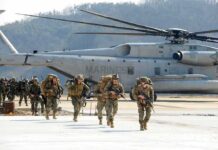

President Trump ordered the Pentagon to substantially scale back joint U.S.–South Korea military exercises, citing high costs and the risk of sending a hostile signal to North Korea.
Story Snapshot
- Trump directed a reduction of joint drills with South Korea, pointing to cost and signaling concerns.
- The move echoes past suspensions of large-scale exercises while allowing smaller training to continue.
- The administration links the shift to diplomacy with Kim Jong-un and de-escalation goals.
- Critics warn about deterrence and alliance optics, a recurring debate around these drills.
Trump’s Directive And Stated Rationale
President Trump told the Pentagon to “substantially reduce” joint exercises with South Korea. He framed the drills as expensive and as sending a “totally inappropriate and hostile” message during sensitive talks with North Korea. The White House position ties the change to diplomacy, not retreat. Officials highlight the need to avoid steps that undercut outreach to Kim Jong-un, while maintaining core defense commitments and day-to-day readiness activities.
The decision follows a clear pattern. In 2018, the Defense Department stopped planning for the Ulchi Freedom Guardian exercise after Trump’s direction, calling the suspension aligned with his promise and coordinated with Seoul. Past adjustments paused only the biggest drills. Reports at the time noted that smaller or modified training continued to sustain combined skills and basic interoperability, even as large, high-visibility maneuvers came off the calendar.
Operational Impact And What Keeps Running
Defense reporting indicates that scaling down major events does not end training. Units still conduct targeted, smaller exercises and command-post simulations to keep crews sharp and maintain combined procedures. That approach aims to cut cost and public friction while holding on to core capabilities. The change reduces large, set-piece field movements that North Korea often cites as provocative, yet preserves practical practice that warfighters need to respond fast if required.
Trump’s team presents the move as responsible stewardship and strategic calibration. The cost argument stresses taxpayer burden for large deployments and logistics. The signaling argument says massive drills can harden Pyongyang’s stance and close doors for talks. Supporters argue a tailored approach can ease tensions and create space for deals, without giving up the United States’ ability to fight if called upon.
Alliance Context And Deterrence Debate
The United States and South Korea have long disagreed with critics about the effects of the biggest drills. Supporters of the exercises say they are vital to readiness and deterrence, helping allied forces “fight tonight” if needed. Others say the headline-grabbing scale can raise risk and complicate diplomacy, especially during talks with North Korea. The record shows both sides have, at times, accepted temporary reductions while keeping core coordination in place.
South Korea President Lee: nation must brace for "worst-case scenario" as Trump cuts joint military drills. Lee: annual exercises defensive, not aimed at raising tensions with North Korea. #Geopolitics #Korea #Markets
— Shaheen Eye (@ShaheensEye) August 18, 2026
Reporting also shows that initial announcements can outpace field guidance. In past suspensions, United States Forces Korea stressed that posture remained steady until formal orders arrived. Even then, the emphasis remained on coordination with Seoul and on measured steps that avoided gaps in essential training. Today’s reduction mirrors that model: cut the most costly and provocative pieces, keep the alliance strong, and protect American and South Korean families through focused preparedness.
What To Watch Next
Watch for a Defense Department implementation memo that sets scope and dates for the scale-back. Look for details on which field drills pause, which command-post exercises continue, and how often combined units will train. Track statements from United States Forces Korea and South Korea’s defense ministry on scheduling and readiness aims. Follow diplomatic signals from Pyongyang that might show whether the change opens room for talks or prompts new tests or threats.
Fiscal Responsibility And Strength With Restraint
Conservatives expect strong defense and smart spending. Trump’s order tries to do both. The plan cuts large, high-cost events that also raise tension. It keeps vital training that protects American troops and our ally. The United States still fields unmatched power in the Pacific. The question now is not whether we are strong, but how we use that strength to secure peace, save money, and avoid giving our enemies a pretext to escalate.
Sources:
cbsnews.com, abcnews.com, cnbc.com, npr.org, theguardian.com, military.com, militarytimes.com, yahoo.com