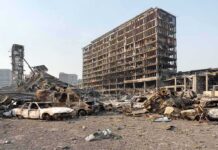


A new ultimatum from the Kremlin demands Ukraine’s compliance with aggressive peace terms, escalating tensions amidst ongoing military threats.
Story Highlights
- The Kremlin is pressuring Ukraine to accept its peace terms, stalling negotiations.
- Putin demands territorial control over disputed regions, rejecting counter-proposals.
- Talks remain stalled despite claims of near-completion from the US, Europe, and Ukraine.
- Trump’s direct involvement marks a shift in US-Russia negotiations.
Kremlin’s Ultimatum Pressures Ukraine
The Kremlin has issued a stark warning to Ukraine, demanding swift acceptance of Russia’s peace terms. This ultimatum comes as negotiations remain deadlocked, with Moscow rejecting recent counter-proposals from Ukraine, Europe, and the US. Despite assertions from Western negotiators that the draft is nearly complete, Russia’s insistence on controlling regions like Donetsk and Luhansk continues to be a significant barrier to agreement.
Russia’s strategy appears to involve leveraging these negotiations as a tool for military advancement, rather than genuine diplomacy. The Kremlin’s narrative paints Ukraine as the primary obstacle to peace, while simultaneously escalating military actions. This dual approach of diplomatic stalling and military aggression underscores Moscow’s broader geopolitical ambitions and its reluctance to concede any territorial demands.
Watch:
Impact of US and European Mediation
President Trump’s involvement has brought a new dynamic to the negotiations. His administration has been pushing for a compromise, yet the Kremlin’s demands remain unyielding. The 28-point plan, initially devised by US negotiator Steve Witkoff and Kremlin official Kirill Dmitriev, was intended to lay the groundwork for peace. However, Ukraine’s counter-offers, aimed at preserving its sovereignty, have been flatly rejected by Moscow.
European allies, while supportive of Ukraine, face challenges in maintaining a unified front. The EU’s financial aid package for Ukraine reflects a commitment to stability, but political pressure from Moscow remains a constant threat. The interplay between diplomatic efforts and military posturing continues to shape the landscape of these complex negotiations.
Future Implications and Concerns
The ongoing stalemate poses significant risks for all parties involved. In the short term, there’s a looming threat of a renewed Russian offensive in spring 2026. Long-term implications could see the conflict becoming frozen, with potential regime instability in Russia should the war drag on without resolution. Ukraine, on the other hand, faces the possibility of territorial losses and political turmoil, exacerbated by the Kremlin’s aggressive strategies.
The broader impact of this geopolitical standoff extends to energy and security sectors worldwide. The situation underscores the delicate balance between diplomatic negotiations and military realities, highlighting the need for a strategic approach to achieving lasting peace.
Kremlin says Ukraine running out of time to agree to Moscow's peace terms.
— CGTN Africa (@cgtnafrica) January 15, 2026
As the world watches, the outcome of these negotiations will have far-reaching consequences, not only for Ukraine and Russia but for global stability. The international community remains hopeful for a peaceful resolution, yet the path forward is fraught with challenges and uncertainty.
Sources:
A Just Peace Settlement for Ukraine Remains Elusive
Putin Cannot Accept Any Peace Deal That Secures Ukrainian Statehood
Putin Stalling Ninety Percent Complete Peace Deal
Trump Breaks with Allies, Blames Zelenskiy for Stalling Ukraine Peace Talks