

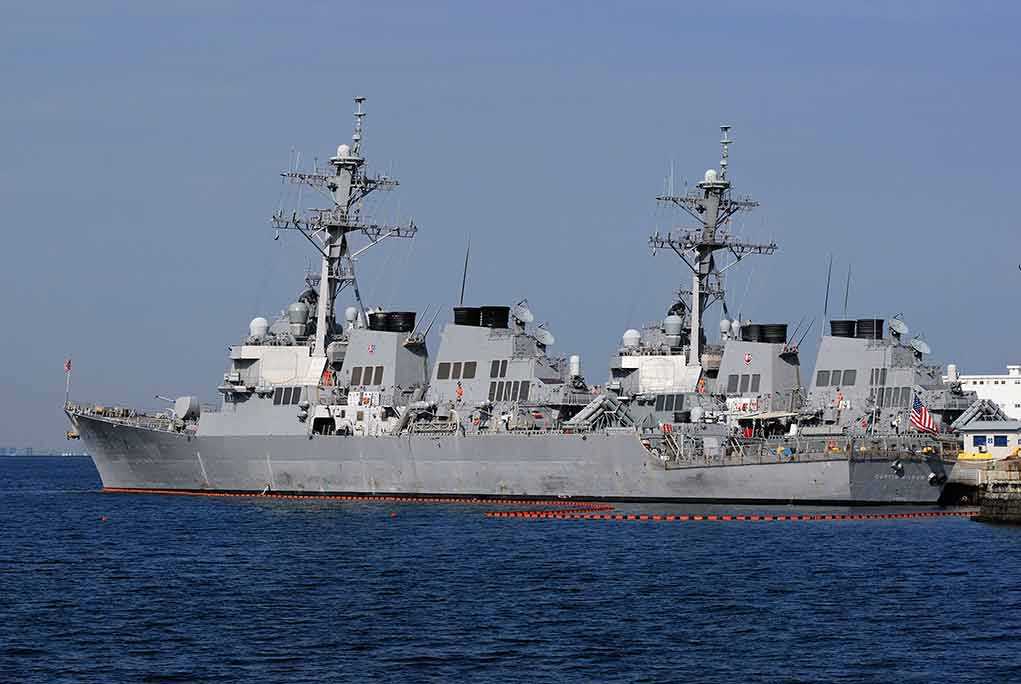
Extended Navy deployments in the Iran War are piling fresh maintenance on an already backlogged fleet, putting combat readiness at risk.
Story Highlights
- Government reviews link longer deployments to worse ship condition and longer repairs
- About three out of four planned maintenance periods ran late in recent years
- A destroyer’s near-year at sea spotlights strain on shipyards and crews
- Navy leaders warn years-long recovery as returning ships crowd yards
Extended Deployments Are Driving New Repair Demands
Government Accountability Office reviewers reported that decisions to extend deployments can lead to declining ship condition and material readiness. That pattern fits today’s Iran War tempo. Ships pushing past normal seven-month tours face more wear on hulls, combat systems, and engines. Extra miles at sea mean more corrosion, more parts due for overhaul, and more labor once in the yard. Reviewers warned this chain reaction before, and the current pace now adds to the load.
Frontline commanders keep ships on station to deter Iran and protect sea lanes. That choice can be necessary in a fight, but it carries a bill. When a ship returns late, the maintenance scope often grows. Workers then discover more steel to fix and more equipment to refurbish. That work stretches the schedule and can slip follow-on deployments. Leaders must balance near-term presence with long-term health so the fleet can surge when President Trump orders action.
Backlog Was Large Before The Latest Surge
Auditors found the Navy finished only about 25 percent of ship maintenance periods on time across several years. Ships spent tens of thousands of unexpected days in maintenance, which cut training time and lowered availability for missions. These delays did not start with the current conflict. They built up across years and created a tight funnel at public and private yards. That means fresh work from extended deployments meets a queue already full.
Reviewers also found gaps in how the Navy tracks intermediate maintenance that happens pier-side. These shorter efforts are key to keeping ships ready between major overhauls. But limited data and weak analysis make it hard to spot repeat problems or hold programs to standards. Strong tracking helps leaders choose the right fix the first time. Weak tracking risks rework, more cost, and longer yard time later, which the fleet can no longer afford.
Record-Long Cruises Expose The Strain
Navy Times reported that the destroyer USS Spruance hit 342 days deployed, far beyond the usual benchmark for United States homeported ships. That milestone shows how the present mission load stretches hulls and crews. Long cruises stack small deferrals into big repair jobs back home. The result is larger work packages, more inspections, and more parts in line. Each extra week at sea today can mean extra weeks in a dry dock tomorrow, which shrinks ready forces.
The U.S. Navy quietly quadrupled an AI robotics contract from $71M to $300M in under six months.
This is a real photo of a magnetic crawling robot actively scaling Navy warships.
–Instead of sending crews to manually grind down steel, the Navy deployed Gecko Robotics' Komodo… pic.twitter.com/dhnWo4jIfh
— __Stez (@___stez) November 1, 2026
Industry reporting says Navy leaders expect years to dig out from these pressures. Returning ships will crowd shipyards, forcing tough choices between basic repairs and upgrades. When yards are full, the Navy either slips schedules or sends work overseas. Neither option is ideal for a nation that must control its own defense supply chain. The cost in dollars and lost training days adds up, while rivals watch for any gap in American sea power.
What Must Happen Next To Protect Readiness
Commanders and civilian leaders need discipline on deployment length, honest maintenance scoping, and steady funding. Leaders should lock schedules, guard training time, and clear yard bottlenecks. Data on pier-side fixes must improve so the Navy learns fast and repeats less. Congress should back targeted shipyard capacity and workforce gains, with accountability for results. Smart choices now keep more ships ready, protect sailors, and ensure American power meets any test without delay.
A Conservative View: Strength Through Predictable Readiness
American strength rests on a fleet that sails when called, not when a schedule slips. The Iran War shows presence matters. But presence without plan hurts the next mission. A predictable cycle, firm standards, and secure domestic shipyards match conservative values: strong defense, disciplined management, and self-reliance. Fixing maintenance delays is not bureaucracy. It is national security. It keeps our sailors safe and our enemies unsure. It keeps America in charge at sea.
Sources:
realcleardefense.com, gao.gov, navytimes.com