

A New York man walked nearly 2,500 miles to San Francisco, only to have his bag with chargers and journey files stolen at a McDonald’s minutes after he arrived.
Story Highlights
- Chantz Rivera says a thief took his bag with portable chargers and digital media at a San Francisco McDonald’s.
- Rivera’s memory card and USB drive held photos and videos from his 149-day cross-country walk.
- He also lost gifted shoes in Sacramento after leaving a cart unattended, which he called his mistake.
- Reports confirm he left the Bronx in late May and reached the Bay Area after traveling through 11 states.
Cross-Country Trek Ends With San Francisco Theft Claim
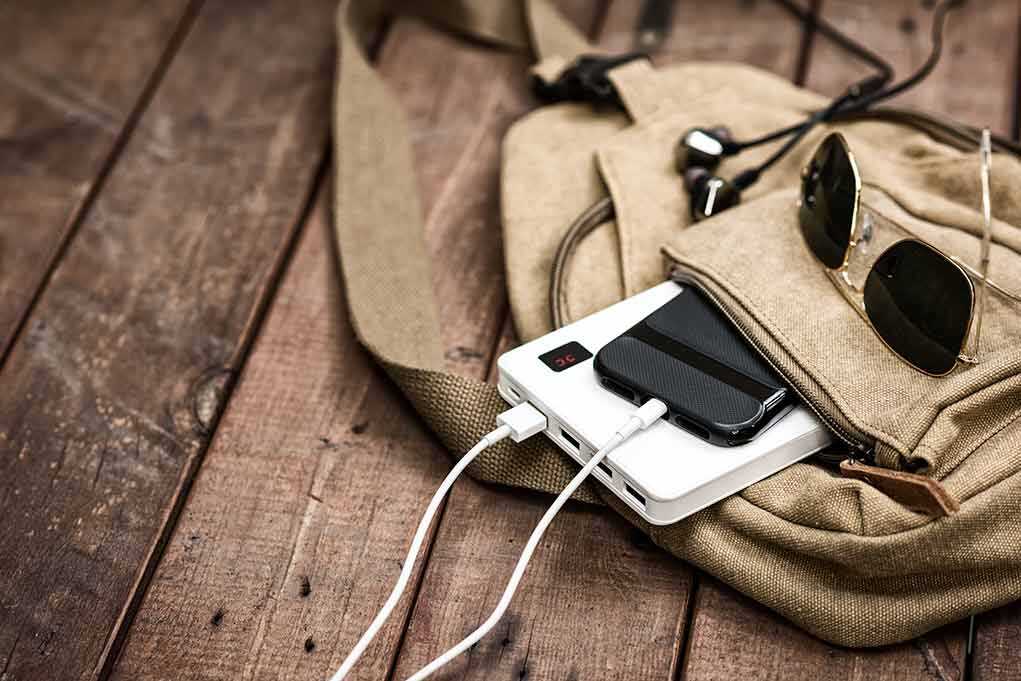
Chantz Rivera said he reached San Francisco after walking from the Bronx over 149 days and through 11 states. He told a local outlet that he went to a McDonald’s near Fillmore Street and Golden Gate Avenue and discovered his belongings were gone. He listed portable chargers and a small bag among the missing items. He said the bag held a memory card and a USB drive that stored videos and photos from his cross-country trip.
The New York Post and local coverage echoed his account, noting his long walk and immediate loss when he reached California. The reports describe missing property but do not identify a suspect or an arrest. No outlet cited a police report or surveillance footage tied to the incident. The focus remained on the human moment: months of effort, then the shock of losing gear and digital records soon after stepping into the city he set as his goal.
Second Loss In Sacramento Involved Unattended Cart
Rivera also described a separate loss in Sacramento. He said he had left a shopping cart unattended with gifted shoes inside. He returned about an hour later and the cart was gone. He called that loss his fault because he left the items. This account differs from the San Francisco event, where he said items disappeared while he visited a McDonald’s. The two incidents happened in different cities and at different times in California.
Some headlines framed the story as being “robbed twice,” but the accounts describe two property losses, not two confrontations with force. California law treats theft and robbery differently. Theft is the taking of another person’s property. Robbery adds force or fear to that taking. Based on the available reports, the San Francisco case reads as a theft, while the Sacramento case stemmed from an unattended cart.
What The Numbers Say About Crime And Theft Risks
Day-to-day urban risks include opportunistic theft, especially when travelers carry electronics, bags, or carts. California officials reported that statewide robbery and property crime rates fell in 2025 compared with 2024. The California Attorney General’s office reported a property crime rate drop of about 14 percent in that period. A nonpartisan state analyst also reported robbery falling to historic lows in 2025. Local experiences still vary by neighborhood and time of day.
Conservative readers know this tension well. State leaders tout progress on crime. Families still see theft hit people who are tired, distracted, or simply in the wrong place at the wrong time. Rivera’s walk showed grit, planning, and endurance. His losses show how quick a thief can ruin months of hard work by grabbing a small bag. Travelers can reduce risk by keeping items on their person, using backups for digital files, and asking businesses to hold bags in sight when possible.
Why This Story Resonates With Everyday Americans
Rivera’s journey speaks to personal responsibility and perseverance. He set a goal and reached it on foot. His setback reminds us that security and order matter in daily life, not just in statistics. When property crimes hit regular people, the damage goes beyond dollars. It erases memories, wastes time, and saps trust. Leaders at every level should make it easier to report theft, recover items, and view footage quickly when people are targeted in public places.
Practical Takeaways For Travelers And City Officials
Travelers can protect themselves by wearing small crossbody pouches, locking bags, and saving photos and videos to cloud storage daily. They can label devices and drives and keep a simple inventory on paper. City officials and businesses can help by posting clear signs about theft risks, keeping cameras working, and making it easy to request footage. Police can streamline incident reporting so victims get a case number fast to aid recovery and insurance claims.
Sources:
nypost.com, sfstandard.com, meridian.news, nbcbayarea.com