Marco Rubio’s latest Iran remarks are a blunt reminder that a “deal” is not the same thing as a done deal.
Quick Take
- Rubio said some progress had been made, but he stopped well short of calling the Iran talks finished [1].
- He repeated that Iran cannot be allowed to obtain a nuclear weapon [1][2].
- Rubio also rejected a tolling system in the Strait of Hormuz as unacceptable [1].
- The State Department said diplomacy remains the preferred path, even as pressure on Iran continues [2].
Rubio Dampens the Breakthrough Hype
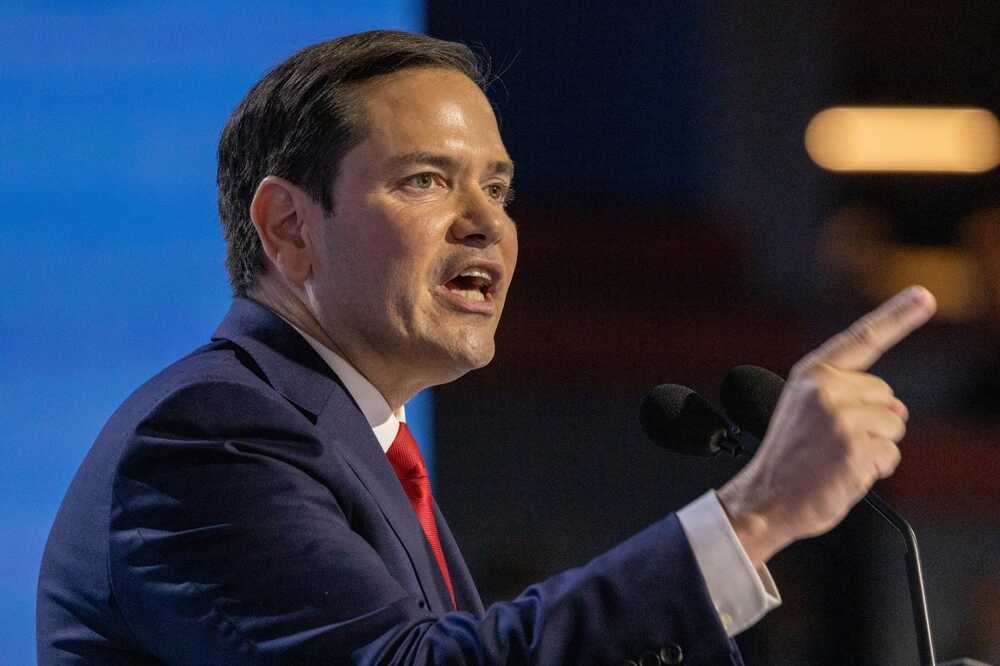
Secretary of State Marco Rubio signaled that the Iran talks are moving, but he also made clear that the finish line is nowhere in sight [1]. That matters because the media has a habit of turning every cautious update into a celebration, only to pretend later that the gap was never there. Rubio’s public posture cuts against that script and tells supporters of peace through strength to keep their heads down and their expectations realistic.
Rubio’s comments focused on the difference between progress and resolution. He said the administration had made “some progress,” but he also described the Iranian system as fractured and stressed that the president wants a good deal, not a rushed headline [1]. For conservatives who have watched too many Washington insiders declare victory before the ink is dry, that warning sounds familiar. It suggests the administration is trying to shape the talks with leverage, not sentimental optimism.
The Nuclear Red Line Remains Firm
The strongest point in Rubio’s remarks is the one the public should not forget: Iran cannot be allowed to get a nuclear weapon [1][2]. That is not a talking point for cable television; it is the core issue. Rubio also said Iran must turn over enriched uranium and highly enriched uranium, which shows the negotiations are aimed at real constraints rather than symbolic gestures [1]. If that condition is not met, there is no serious bargain.
Rubio also drew a hard line on the Strait of Hormuz, saying a tolling system would be unacceptable [1]. That is the kind of detail that matters because it shows where diplomatic language collides with practical reality. A maritime arrangement that looks neat in a press clip can become unworkable once you ask who controls transit, who pays, and how enforcement would work. Conservatives should welcome that kind of specificity instead of empty “peace deal” branding.
Pressure, Not Wishful Thinking, Is the Strategy
The State Department’s own remarks reinforce that the Trump administration is not treating diplomacy as a surrender ceremony [2]. Officials said the president’s preference is a peaceful outcome, but they also noted that leverage increases as the conflict continues [2]. That is a classic peace-through-strength framework: keep talking, keep pressure on the other side, and do not confuse conversation with concession. That approach is a far cry from the weak, feel-good foreign policy that often invites more danger.
BREAKING NEWS: US and Iran Closing in on Pakistan-Mediated Deal to End War
US Secretary of State Marco Rubio said a US–Iran deal could be reached within hours, with negotiations reportedly nearing conclusion through Pakistan-mediated diplomacy. pic.twitter.com/ZD461WTSIn
— WE News English (@WENewsEnglish) May 24, 2026
Rubio’s public warning that the issue may need to be solved “one way or the other” also matters [1]. It tells Iran that the United States is not locked into endless diplomacy if Tehran refuses the basic terms. The available record does not include a signed agreement, a final framework, or Iranian acceptance of the U.S. conditions [1][2]. So the honest conclusion is simple: the talks may be active, but the core fight over enrichment, access, and enforcement is still unresolved.
Sources:
[1] YouTube – Rubio says progress made in Iran talks but warns Trump …
[2] Web – Secretary of State Marco Rubio Remarks to Press