
Spain’s government eased wildfire measures after lifting evacuations and shifting hard-hit zones toward recovery, but offered no single public decree that clearly ended the national emergency status.
Story Snapshot
- Spain declared a national emergency as fires near Madrid and Ávila forced mass evacuations.
- Officials later lifted evacuation orders in several towns and said conditions were improving.
- One deadly blaze was declared “stabilised” with its perimeter secured, and alerts were downgraded.
- Madrid and other areas moved toward recovery aid, but no formal stand-down notice is cited in the record.
What Spain Declared And Why It Mattered
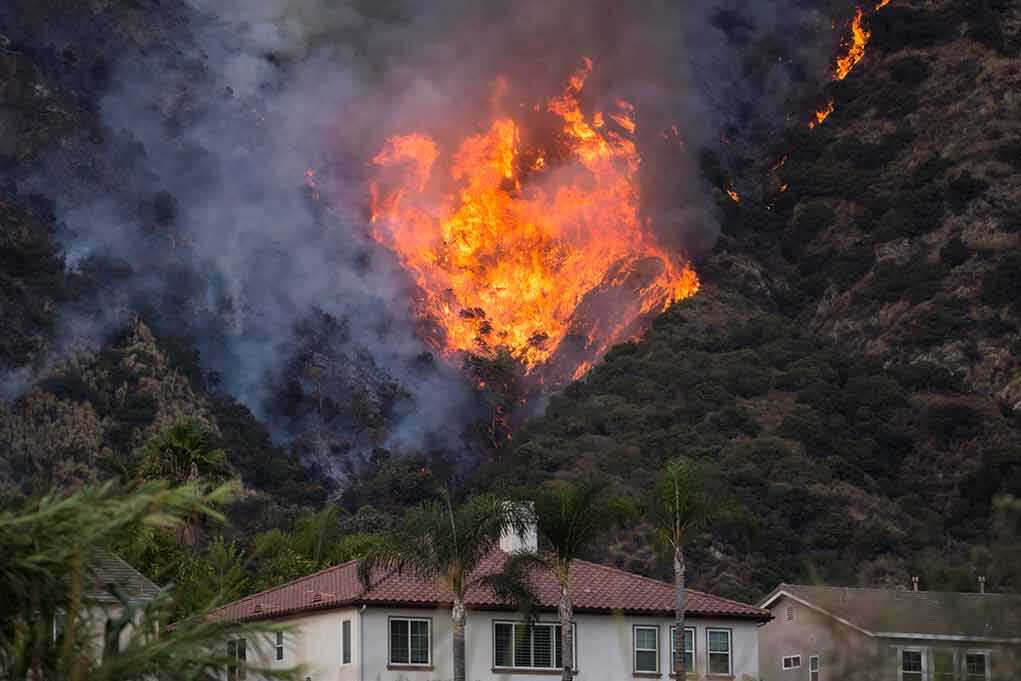
Reuters reported that Spain declared a national emergency as wildfires near Madrid and in Ávila forced thousands to flee. The legal move shifted control to the Interior Ministry to speed help and unify command. That step let the central government direct aircraft, troops, and funds across regions faster than normal. The goal was to protect life and property during fast-moving fires near the capital and in nearby provinces. Wire reports and officials framed it as a coordination tool.
Associated Press and other outlets described how the national emergency places the central government in charge of firefighting oversight. That framework matters because ending the emergency should include a formal step back to regional control. The reports stress that the emergency is a legal status, not just a headline label. So when fires calm, leaders must decide when to return command to local authorities and say so clearly in public records for transparency and accountability.
Signs The Crisis Eased On The Ground
Euronews reported that Spain lifted evacuation orders in 13 towns and quoted the prime minister as seeing “light at the end of the tunnel,” while warning that hours ahead still posed risks. Those moves signaled safer conditions for many families. Another Euronews report said one deadly blaze was “stabilised,” the perimeter was secured, and alerts dropped to a lower level. Stabilised does not mean out, but it does mean crews had a handle on spread and danger was reduced.
Spain’s cabinet later opened recovery aid for areas hit by fires and floods in the summer window. That step pushed affected zones into the next phase: document losses, repair homes and roads, and help small businesses restart. Moving to recovery is consistent with a drawdown of the emergency posture. The Council of Ministers record shows the government telling victims how to file claims, which suggests national focus had shifted from crisis response to rebuilding in many places.
What We Still Do Not See In The Public Record
The sources in hand do not include the specific legal instrument that ended the national emergency for Madrid and Ávila. They show stabilization, lifted evacuations, and recovery aid. They do not quote an Interior Ministry order or a Council of Ministers minute that says the emergency regime is off. That matters because operational calm and legal status are not the same thing. A clear, dated stand-down order would remove doubt and close the loop for citizens and local officials.
Reuters, Associated Press, and others set the basics: the government used the National Civil Protection System to centralize command; later, conditions improved and evacuations eased. That is good news. Yet conservative readers know process and paperwork matter. When a government assumes extra powers, it should mark the return to normal with the same clarity. Without that, people are left to connect dots from scattered updates, and that weakens trust even when outcomes on the ground improve.
Why This Matters For Americans Watching Abroad
Wildfire policy anywhere teaches a civic lesson. Clear rules protect lives in crisis, but clear limits protect freedom the rest of the time. Spain’s shift to recovery shows how fast-moving fires can demand centralized action. It also shows why formal sunset steps should be public and easy to find. Americans value limited government and clean lines of authority. Emergency powers should turn on fast—and turn off just as clearly, with a record the public can read.
Bottom Line For Readers
Spain declared a national emergency when fires near Madrid and Ávila threatened communities, and later eased evacuations as conditions improved. One major blaze was stabilized, and the cabinet moved to recovery aid. But the record offered here does not show the exact document that ended the national regime. Good governance demands that emergency powers come with visible endpoints. That is how leaders earn trust while they defend lives, homes, and the land we all depend on.
Sources:
insiderpaper.com, reuters.com, apnews.com, lamoncloa.gob.es, aljazeera.com