President Trump has warned Iran to fully reopen the Strait of Hormuz for free shipping or face crushing strikes on its energy grid and bridges.
Story Snapshot
- President Trump has issued a clear ultimatum for Iran to restore safe, unrestricted passage through the Strait of Hormuz.
- The White House says Iran’s attacks on commercial ships have choked a key oil route and driven up prices for American families.
- Trump is threatening strikes on Iranian power plants and bridges if Tehran refuses to reopen the waterway.
- Iran’s Revolutionary Guards and diplomats are vowing counter‑attacks and even full closure of the strait if U.S. threats are carried out.
Trump Draws a Red Line Over Freedom of Navigation
President Trump has made the Strait of Hormuz a hard line, telling Iran it must restore “complete” freedom of navigation or “get hit very hard.” On social media, he warned that if Iran does not reopen the strait “without threat” within 48 hours, the United States will “hit and obliterate” its power stations. He paired that with language that Iran would be “living in Hell” if it continued to choke off the world’s oil traffic. For many conservatives, this sounds like long‑overdue pushback after years of weak responses to Iranian aggression that endangered shipping and helped drive inflation at home.
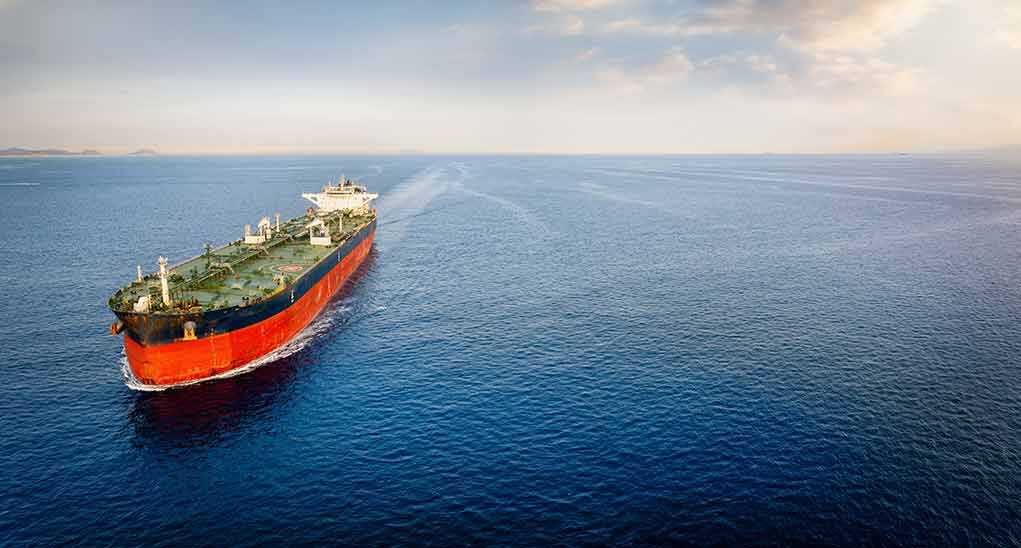
Trump’s message is anchored in the simple idea that the Strait of Hormuz is not Iran’s private toll road. About one‑fifth of the world’s oil and gas normally passes through this narrow channel between Iran and Oman. When Iran attacks ships and scares traffic away, energy prices jump, and American families pay more to fill their tanks and heat their homes. Trump is framing this fight as a defense of global commerce and U.S. consumers, not just a distant foreign policy dispute. His supporters see it as protecting the free flow of trade against a hostile regime that has long tested American patience.
Iran’s Attacks on Ships Raise the Stakes
Reports from military and maritime authorities say Iranian forces have repeatedly targeted commercial vessels in or near the Strait of Hormuz in recent months. United States Central Command has accused Iran of striking more than 30 commercial ships, calling the attacks “unwarranted” and a direct threat to innocent mariners and navigation freedom. Legal and security analyses describe a near‑blockade environment, with tankers and cargo ships delayed, rerouted, or kept waiting outside the strait. In plain terms, Iran is using a global shipping lane as a weapon, turning it on and off to punish the United States and its allies and to squeeze energy markets.
Iranian leaders are not hiding their leverage. The Iranian Revolutionary Guards have publicly warned they will “entirely shut down” the Strait of Hormuz if the United States follows through on strikes against Iran’s energy infrastructure. Iranian officials at international maritime bodies claim the strait is “accessible to all shipping” except vessels linked to what they call Iran’s enemies. That means they believe they can legally deny passage to American and allied ships while still pretending the waterway is open. This selective access clashes with long‑standing principles that international straits must be open to transit passage for all countries. Trump’s team argues that allowing Iran to pick winners and losers would undermine basic rules that protect trade and keep rogue regimes in check.
Trump’s “Hit Very Hard” Threats Target Infrastructure, Not Civilians
Trump has focused his warnings on Iranian infrastructure that supports the regime’s power, not on civilians themselves. In repeated posts, he has said that any future attack on a ship in the Strait of Hormuz will trigger U.S. strikes on “one bridge or power plant,” including facilities near or in Tehran. He has spoken of a “Power Plant Day and Bridge Day” if Iran refuses to reopen the strait, promising what he called “the biggest attack since World War II” if shipping remains threatened. To many Americans, this sounds harsh but targeted: hitting the regime’s ability to wage economic warfare, while warning Iran to stop hiding behind critical infrastructure.
Critics abroad are already complaining that Trump’s language is too blunt, with the United Nations secretary‑general and the Pope denouncing his earlier remark that “a whole civilization will die tonight” if Iran did not agree to reopen the strait. But Trump’s supporters point out that polite phrases have not stopped Iran from attacking ships or threatening neighbors. They see his posture as a necessary show of strength after decades of compromise, side deals, and cash shipments that never changed Tehran’s behavior. For conservatives who worry about appeasement and globalism, a firm line against a hostile regime protecting its own choke point looks like common sense.
Energy Prices, American Wallets, and the Cost of Weakness
Iran’s interference with Hormuz has already hit world energy markets, with disruptions pushing oil prices higher and feeding global inflation. Analysts warn that continued instability in the strait will mean more price shocks, more market fear, and more pressure on family budgets in the United States and beyond. Many conservatives remember how past administrations ignored supply shocks while pushing green mandates and blocking American energy projects. They see Trump’s stance as the opposite: defend shipping, protect reliable oil flows, and stop a hostile power from turning a vital route into a political weapon against ordinary people.
🚨 STRAIT OF HORMUZ DEAL COULD BE ANNOUNCED TODAY
A deal to reopen the Strait of Hormuz is nearing the finish line, with an announcement possible as soon as today.
President Trump told Fox that talks ran all day Tuesday and delivered a clear warning:
If Iran backs out again,… pic.twitter.com/3KN30w1jmf
— Gunther Eagleman™ (@GuntherEagleman) August 5, 2026
At the same time, the situation shows how quickly a regional fight can touch everyday life. When Iran threatens to halt energy exports or close the strait, it is not just testing warships; it is testing the whole global system that brings fuel to refineries and goods to ports. Trump’s warning that the United States may “take over” the strait to guide ships and “become the guardian” of Hormuz reflects a belief that someone must defend that system when international bodies fall short. For readers who value strong borders, free markets, and a foreign policy rooted in American interests, the message is clear: letting Iran control the world’s energy chokepoint is a risk the United States cannot afford.
Sources:
insiderpaper.com, theguardian.com, bbc.com, youtube.com, forbes.com, barrons.com, aljazeera.com, foxnews.com, thehill.com, opiniojuris.org, lawpoliticsandsociology.wordpress.com, hilldickinson.com, lawfaremedia.org