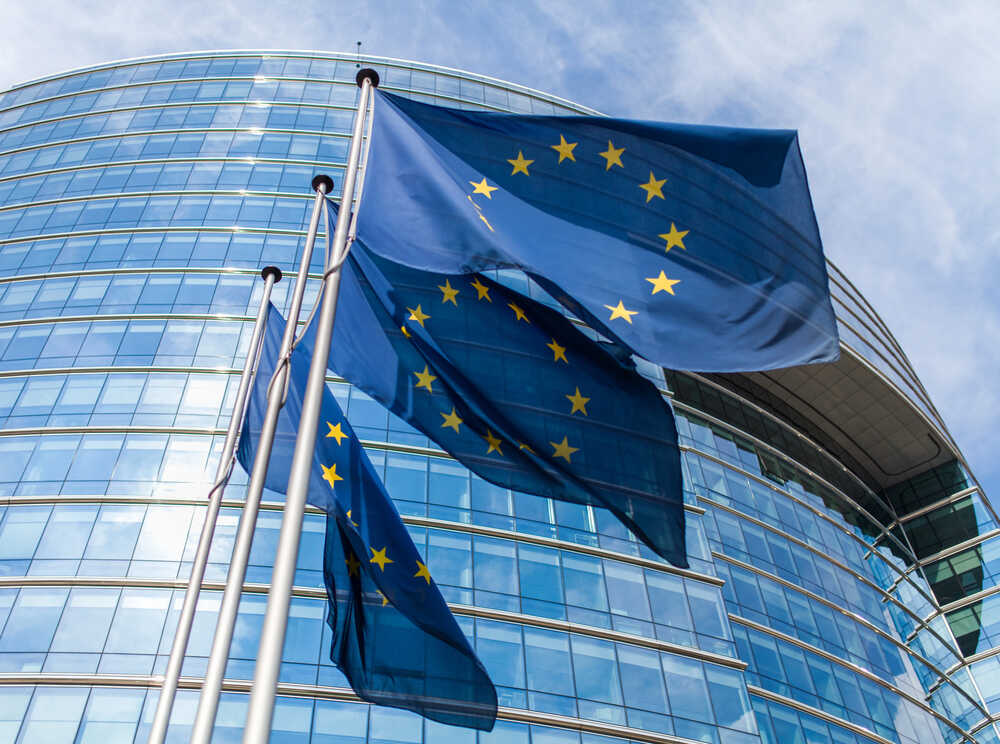
The EU’s new $105 billion loan to Ukraine raises eyebrows as it sidesteps using frozen Russian assets, a move that could prolong the conflict and reshape any potential peace deals.
Story Highlights
- The EU approved a $105 billion interest-free loan to Ukraine, bypassing frozen Russian assets.
- This decision reflects a commitment to support Ukraine’s defense against Russia.
- Internal EU divisions, particularly from Belgium, stalled the use of Russian assets.
- The loan is structured to avoid unanimity vetoes, ensuring quick financial aid.
EU’s Financial Commitment to Ukraine
On December 19, 2025, European Union leaders approved a significant $105 billion interest-free loan for Ukraine. This financial package is designed to stabilize Kyiv’s economy, which risks running out of cash by mid-2026. This move highlights the EU’s unwavering commitment to supporting Ukraine amidst its ongoing conflict with Russia. However, the decision to rely on the EU budget instead of frozen Russian assets underscores internal disagreements, particularly with Belgium expressing concerns over legal ramifications.
Implications of the Loan
The loan will be disbursed over 2026 and 2027, covering approximately two-thirds of Ukraine’s financial needs during this period. This package ensures Ukraine’s government can maintain essential operations and defense efforts without immediate financial collapse. Notably, the repayment of this loan is contingent on future Russian reparations, offering Ukraine some economic relief. The structure of this agreement bypasses potential vetoes from EU members like Hungary and Slovakia, which have been obstacles in previous aid discussions.
Watch:
Potential Impact on Peace Negotiations
This financial support not only stabilizes Ukraine’s economy but also potentially influences the dynamics of peace negotiations. By bolstering Ukraine’s resilience, the EU sends a clear message to Russia: the war is not sustainable. However, this might also reduce Ukraine’s urgency to negotiate peace, potentially prolonging the conflict. The decision not to use frozen Russian assets now leaves the door open for their future use, post-reparations, which could be a significant factor in future diplomatic discussions.
Ukraine’s President, Volodymyr Zelensky, has welcomed this support, stating it strengthens Ukraine’s defense capabilities. Meanwhile, critics argue that this financial backing, without using Russian assets, might not be sustainable in the long run, as it places the financial burden largely on EU taxpayers. As the situation develops, the EU’s approach to aiding Ukraine could set precedents for future international financial interventions.
Sources:
EU leaders agree on $105 billion loan to secure Ukraine’s financing through 2027
How the EU can loan Ukraine $105 billion without using frozen Russian assets