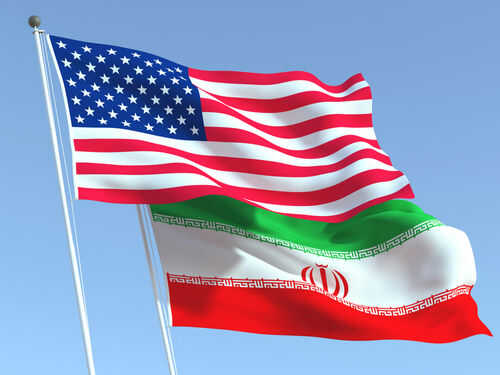
A 60-day U.S.–Iran ceasefire memorandum is reportedly near the finish line, but conflicting terms and continued skirmishes could turn a pause into a dangerous illusion for American security and energy stability.
Story Snapshot
- U.S. and Iranian negotiators reportedly aligned on a 60-day ceasefire framework tied to nuclear talks [3][4].
- Reopening the Strait of Hormuz for commercial shipping is a central element, though mechanisms remain disputed [3][4].
- Reports rely on unnamed officials, with no finalized public text; terms and duration vary across accounts [3].
- Ongoing incidents and Israeli opposition threaten to unravel the diplomatic track before it is sealed [3].
Negotiators Edge Toward a 60-Day Ceasefire With Nuclear Linkage
Senior U.S. voices and media reports say Washington and Tehran are closing on a preliminary text that would extend a ceasefire for 60 days while initiating talks over Iran’s nuclear program [3][4]. Broadcast summaries cite a U.S. official describing a package to extend the pause, reopen the Strait of Hormuz, and launch nuclear discussions, while political figures referenced narrowing disputes over wording rather than strategy [4]. The framework positions the United States to test verifiable limits on Iran’s nuclear ambitions without green-lighting concessions upfront [3].
Unnamed officials quoted across outlets frame the draft as a memorandum of understanding, not a final treaty, which underscores that verification and enforcement would still need to be negotiated [3]. Reports indicate third-party facilitation through Pakistan, reflecting a shuttle diplomacy pattern that often precedes formal text, but the absence of published documents leaves room for rumor and misinterpretation [3]. Without a signed instrument, the best reading is that both sides are preserving leverage, which keeps American red lines viable while pressing Iran toward measurable constraints [3].
Strait of Hormuz: Energy Lifeline Caught Between Conditions and Clashes
Accounts converge on the goal of restoring commercial transit through the Strait of Hormuz, a step that would relieve pressure on global energy markets and lower shipping risk premiums if implemented cleanly [3][4]. However, different narratives describe competing security arrangements, from United States conditions to Iranian or Omani-managed regimes, with uncertainty over whether military vessels remain excluded during normalization [3]. That ambiguity matters: unclear rules invite miscalculation at sea, while clarity could stabilize flows that Americans rely on for affordable fuel and supply chains [3].
Reports also highlight ongoing incidents that each side characterizes differently, with United States actions framed as self-defense and Tehran calling them ceasefire violations [3]. Such kinetic activity undermines confidence in any maritime reopening, because shipowners and insurers respond to risk, not press releases. Unless the memorandum delivers enforceable deconfliction steps in the Strait, the deal risks becoming a paper pause that fails to protect American consumers from renewed energy shocks and inflationary aftershocks [3].
Verification, Uranium Stockpiles, and the Stakes for U.S. Leverage
U.S. reporting suggests terms under discussion include the disposition of Iran’s enriched uranium stockpile and conditions designed to ensure Tehran can never obtain a nuclear weapon [3]. Iranian-linked accounts emphasize “no steps without tangible verification,” signaling a tit-for-tat implementation approach that could slow or constrain any rollback unless inspections and custody are nailed down [3]. With no public text, it remains uncertain whether verification would be immediate, staged, or subject to a future United Nations resolution if talks mature into a binding instrument [3].
🇺🇸🤝🇮🇷 60-Day Ceasefire Deal?
Axios reports the US & Iran reached a 60-day ceasefire framework 🇺🇸🇮🇷 Hormuz may reopen toll-free, sanctions talks begin, and nuclear limits return to the table. Now all eyes are on Trump’s signature ✍️🌍#Iran #USA #Trump #MiddleEast #Ceasefire pic.twitter.com/fe9EQhUWUU— Vats Asodariya (@Vats_Asodariya) May 28, 2026
For conservatives focused on peace through strength, the test is simple: does the framework codify real limits with teeth, or invite a slow-play that lets Iran pocket maritime access while delaying nuclear concessions? The mixed, provisional reporting means Congress and the American people should demand disclosure of draft language, clear enforcement triggers, and timelines. Transparency hardens U.S. leverage, deters Iranian gamesmanship, and protects families from energy spikes and the inflation that follows [3][4].
Political Headwinds: Israeli Objections and Messaging Gaps
Regional dynamics remain a spoiler risk. Summaries of the debate note Israeli leadership’s opposition to a soft truce and preference for preemptive options, which can complicate U.S. diplomacy and embolden hardliners on multiple sides [3]. Conflicting public messaging—especially when officials speak anonymously—erodes market and voter confidence. The administration must align statements with enforceable terms, demonstrate maritime security that shippers trust, and show measurable progress on nuclear verification or risk the framework unraveling under pressure [3].
Accountability Checklist for a Deal That Protects Americans
Congress should insist on three proofs before endorsing any pause: published terms that define Strait of Hormuz security and verification, documented implementation steps on uranium custody, and incident logs showing de-escalation holds under stress [3][4]. If the administration secures those conditions, a temporary extension could buy time without sacrificing deterrence. If not, the United States risks a cosmetic ceasefire that confuses allies, enriches adversaries, and exposes American families to renewed shocks at the pump and the checkout aisle [3].
Sources:
[3] YouTube – Iran war: Hegseth argues ceasefire pauses 60-day deadline
[4] Web – Mediators believe Iran and US nearing 60 day extension on …