A new diplomatic maneuver by Mexico secures its sovereignty, resisting U.S. military intervention proposals.
Story Snapshot
- Mexican President Sheinbaum rejects U.S. military intervention.
- Trump and Sheinbaum hold a positive phone conversation.
- Mexico emphasizes sovereignty in security talks with the U.S.
Trump-Sheinbaum Call: A Diplomatic Exchange
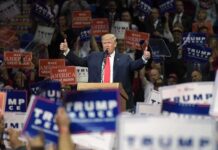
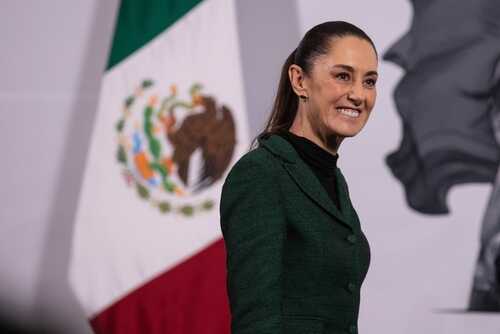
On January 12, 2026, Mexican President Claudia Sheinbaum and U.S. President Donald Trump had a 15-minute phone conversation described as “very good” and “respectful.” This call comes in the wake of Trump’s threats of U.S. military intervention in Mexico to combat drug cartels. Sheinbaum strongly rejected any military aid proposals, emphasizing the importance of Mexican sovereignty and self-governance in addressing cartel challenges.
Trump acknowledged Mexico’s efforts in tackling drug trafficking but urged for more decisive action against cartels. The call set the stage for upcoming security discussions, underscoring the delicate balance between cooperation and independence in U.S.-Mexico relations. Both leaders agreed on the necessity of ongoing dialogue to handle security concerns effectively.
Watch:
Historical Context of U.S.-Mexico Security Relations
The relationship between the U.S. and Mexico concerning security has been defined by the Mérida Initiative since 2008, which provided U.S. aid to combat Mexican drug cartels. However, tensions have surfaced due to issues like fentanyl distribution and cartel violence. Trump’s rhetoric about cartels “running Mexico” echoes his previous administration’s approaches, although recent talks show a shift towards bilateral cooperation.
In recent years, Trump’s tough stance on border security and drug trafficking has been consistent, often linking these issues to broader economic and political negotiations. The current situation emerged after a U.S. operation in Venezuela, which heightened fears of expanded U.S. interventions in the region. Nevertheless, Mexico reports significant progress in reducing homicides and dismantling cartel networks.
Implications for US-Mexico Relations
In the short term, the conversation between Trump and Sheinbaum averts immediate military interventions, reinforcing Sheinbaum’s domestic position on sovereignty. Long-term implications revolve around the stability of the USMCA trade agreement and potential reforms within Mexico under sustained U.S. pressure. The upcoming security talks on January 22-23 will be crucial in determining the future trajectory of U.S.-Mexico relations.
Mexico Reports Positive Conversation With Trump on Security, Drug Trafficking | Mexican President Claudia Sheinbaum said she remains opposed to U.S. military deployments or strikes on cartel targets inside her country. -The Epoch Times https://t.co/zX6M1lsQ3U
— Doug Bell (@therealdougbell) January 13, 2026
The broader economic and political landscape remains precarious, with the potential for U.S. tariffs and a focus on reducing drug trafficking. The Mexican public’s assurance of sovereignty is paramount, and the collaboration between the two nations is essential for regional stability. The interactions between Trump and Sheinbaum highlight the complexity and necessity of balanced international diplomacy.
Sources:
Mexico News Daily: We Operate in Mexico, Sheinbaum Says
LA Times: Mexican President Rejects U.S. Intervention
Prensa Latina: Top Mexican and U.S. Diplomats Meet
KJZZ: Mexico Navigates Complex Future with Trump