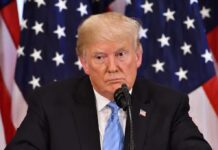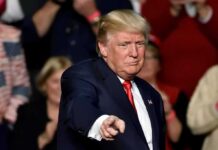

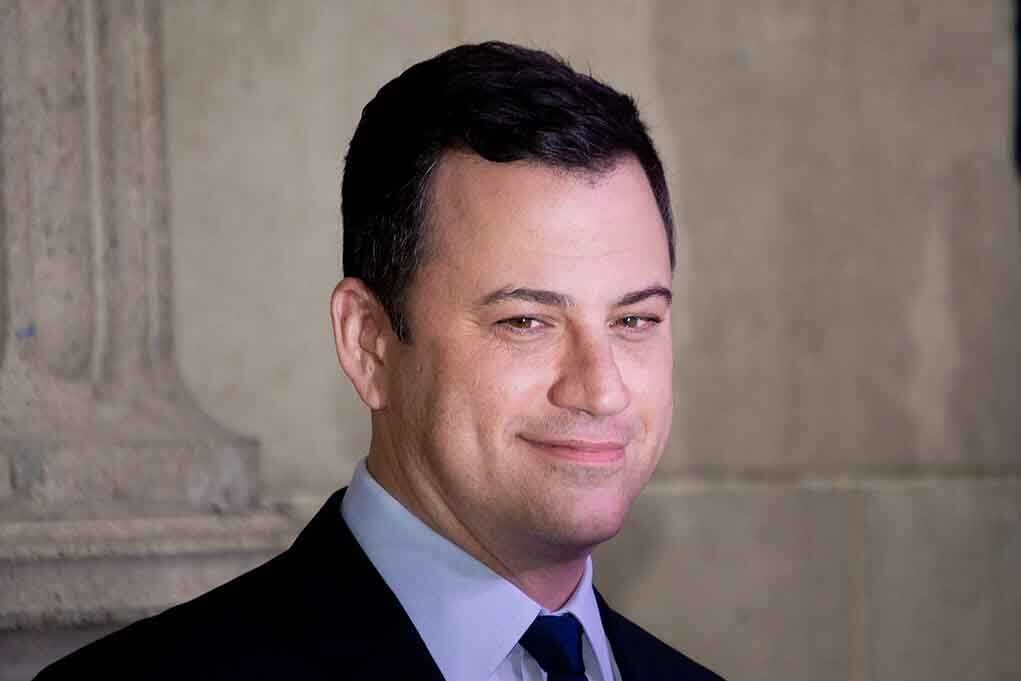
Late-night host Jimmy Kimmel mocked President Trump over artificial intelligence warnings, while tech giants lobby Washington to shape the rules that will govern your life.
Story Snapshot
- Kimmel joked about how to get Trump to “take AI warnings seriously,” turning a policy fight into a punchline.
- OpenAI, Anthropic, and others are pressing for federal guardrails and standards on “frontier AI,” with active lobbying in Washington.
- Critics on the right warn this push risks “regulatory capture,” locking in big players and squeezing smaller rivals.
- Trump’s team faces a choice: encourage innovation and competition, or let centralized rules pick winners and losers.
What Kimmel Turned Into a Punchline Is a Real Power Struggle
Jimmy Kimmel used a joke about President Trump and artificial intelligence to score laughs. The joke came as America faces real choices about who sets AI rules and how far those rules go. While television mocks, industry leaders are in Washington with specific asks. They want standards, reviews, and a federal framework for “frontier” systems that will shape markets and speech online. The stakes are not late-night banter. They reach into national security, jobs, and free expression.
Sam Altman and other executives called for “consistent safety standards across companies developing the most advanced AI systems,” and endorsed a federal structure to enforce them. Companies tied safety language to concrete proposals and new institutions for research and oversight, not just talking points. OpenAI’s policy leaders also spoke openly about working with peers on shared safety processes and embedding outside evaluators inside development cycles, signaling an industry path to common rules. These steps would centralize how America builds and tests key models.
Big-Tech Guardrails Or Competitive Moats?
Opponents warn the same rules could harden market power. Politico reported that critics fear “independent safety audits” could become a gateway that only the biggest players can afford, placing smaller competitors at a permanent disadvantage. A peer-reviewed analysis on regulatory capture explains how dominant firms often benefit when complex rules raise costs for new entrants and shift risk to government-blessed auditors. Fortune also noted libertarian and industry voices blasting coordinated pauses and shared standards as a “regulatory capture” play.
Lobbying trends add weight to those concerns. TechCrunch and Forbes documented a sharp rise in federal outreach by OpenAI, Anthropic, and others, with millions spent as they pushed safety frameworks in the same period. Finance coverage amplified the picture of fast-growing lobbying while rules were drafted and debated. The goal, supporters say, is responsible growth. The risk, critics reply, is a rules wall around a closed club. Both things can be true at once. That is why clarity and competition matter now.
States, Standards, And The Risk Of A Patchwork
Policy fights are spreading across states as well as Washington. Politico reported that Anthropic pursued a state-by-state push for tougher guardrails, while other firms backed different approaches or opposed specific bills. That mixed map shows how “safety” can mean different things bill to bill. It also shows how fast rules can become a maze that only large firms can navigate. Meanwhile, reporting indicates coordinated talks among leading labs on shared safety practices and third-party checks. That cooperation could set de facto national norms.
President Trump and Vice President JD Vance now own the federal response. The choice is not between safety and chaos. The choice is between clear, narrow rules that target real risks and sprawling regimes that freeze the field. Smart policy can protect families from fraud and defend critical systems without crushing startups or speech. The White House can insist on transparent metrics, open testing pathways, and sunsetting rules that fail.
What Conservatives Should Watch Next
First, watch how “independent audits” are defined. If auditors depend on the same companies for money or access, the public loses and the market shrinks. Second, watch the cost of compliance. If only the richest labs can meet it, innovation moves offshore and small American builders die on the vine. Third, watch for federal preemption that blocks better state experiments or cements one-size-fits-all mandates that chill open research and free speech online. These details decide winners and losers.
"it's certainly not as apocalyptic as what even anthropic has claimed" the meta ai chief accuses AI safety companies of lobbying governments with fear, arguing there are commercial reasons to push the doomer narrative alongside genuine belief 🔥 pic.twitter.com/bs3ochcPJQ
— Meme Bank 🏦 (@CentralMemeBank) September 18, 2026
Congress should demand plain-English risk tests tied to concrete harms like scams, bio misuse, or critical-infrastructure attacks, and avoid vague talk about “existential threats” that can justify anything. The administration should back competition: fast-track safe, open interfaces; require rule reviews; and publish all government model tests. Kimmel can crack jokes. But the country needs rules that guard liberty, reward work, and keep Big Tech from writing the playbook it then sells back to us.
Sources:
redstate.com, futureoflife.org, techcrunch.com, foxnews.com, finance.yahoo.com, theailobby.com, politico.com, convina.com