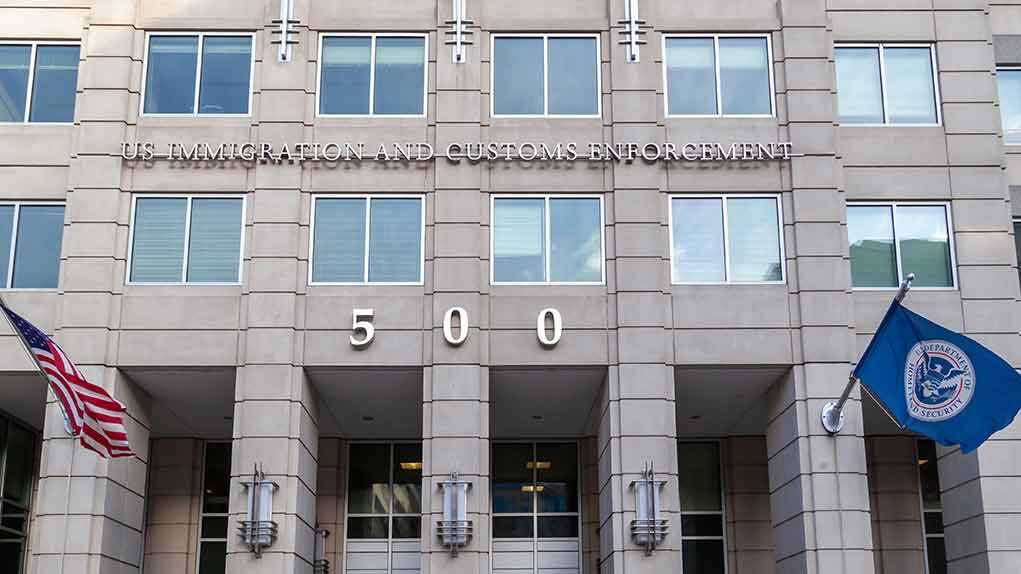
A federal watchdog says Immigration and Customs Enforcement took minimal action on millions of suspected visa overstays during the Biden years, including thousands flagged as potential threats.
Story Highlights
- DHS inspector general: 3.145 million overstay leads from 2021–2024, little follow-up.
- Of 104,049 potential threat leads, ICE opened 496 probes and made eight arrests.
- Policy shift in September 2021 narrowed enforcement to select priorities.
- Most leads, 96.7 percent, were labeled non-priority and not pursued.
Watchdog Tallies Massive Lead Volume With Sparse Enforcement
The Department of Homeland Security inspector general reviewed how Immigration and Customs Enforcement handled nonimmigrant visa overstay leads from fiscal years 2021 through 2024. The audit found that ICE received 3,145,375 leads in that period, but took limited enforcement action on them. The watchdog reported that agents classified the bulk of leads as low priority and did not investigate most cases. The review places these outcomes squarely in the Biden administration’s window of control.
Among the 3.145 million leads, the inspector general identified 104,049 that ICE categorized as potential national security or public safety concerns. From that high-risk pool, ICE opened 496 investigations and made eight arrests, according to summaries of the report. These numbers show a stark gap between flagged concerns and field action. The inspector general’s assessment underscores how many alerts entered the system while only a sliver advanced to arrests.
Prioritization Policy and Why Cases Stalled
Coverage of the audit links the enforcement posture to a September 2021 policy that directed ICE to concentrate on threats to national security, public safety, or border security. Under that approach, ICE analysts triaged leads and assigned most as non-priority. Reports state that 96.7 percent of leads, or about 3,041,326, fell into that non-priority tier. The watchdog also cited practical hurdles, like trouble confirming addresses and limited help from other agencies, which slowed or stopped follow-up.
Government briefings and research explain that overstay enforcement has long used risk-based sorting because the system generates more alerts than agents can exhaustively check. Customs and Border Protection data streams help flag possible overstays, while Immigration and Customs Enforcement must vet, rank, and pursue cases. That structure means policy choices strongly shape results. When prioritization narrows, fewer field operations occur, especially if verification barriers and staffing limits stack up at once.
High-Priority Results and What “Lead” Means
The inspector general’s summary highlights the sharpest shortfall among the highest-priority cases. Reports say 1,769 viable Priority 1 leads produced only 84 investigations and two arrests. That outcome raises questions about process, data quality, and resource focus within those top-tier cases. One caveat appears in the coverage: these were investigative leads, not confirmed overstays in every instance, so agents still needed to verify identities and locations before acting.
Criminal is the right word. DHS's own Inspector General: 104,049 visa overstay leads flagged as possible national-security or public-safety threats under Biden. ICE opened 496 cases. Arrests? EIGHT. @DHSgov @ICEgov @SecMullinDHS
Who's tracking down the rest? https://t.co/6GeMjMO97W
— Keith Kelsen (@KKelsen) October 7, 2026
Congressional research describes how suspected overstay records require matching arrival and departure data, plus validation steps, before removal actions can proceed. The Department of Homeland Security’s public overstay reports further show how the government tracks compliance and flags anomalies for review, which can include later corrections when departures are confirmed. Even so, the inspector general’s numbers on high-risk leads and minimal arrests present a serious operational gap during the Biden period that deserves follow-up.
Security Stakes and Next Steps Under Current Leadership
National security and public safety risks rise when warning leads pile up without timely action. Conservative readers know that weak interior enforcement invites more abuse of the system and undermines the rule of law. The inspector general’s findings suggest the need for tighter targeting, better address verification, and faster interagency data sharing. Clear rules, strong coordination, and enough field capacity can protect communities while keeping the legal immigration system fair for everyone who follows the law.
Sources:
redstate.com, ap7am.com, justthenews.com, newsweek.com, einpresswire.com, us.headtopics.com, iheart.com