

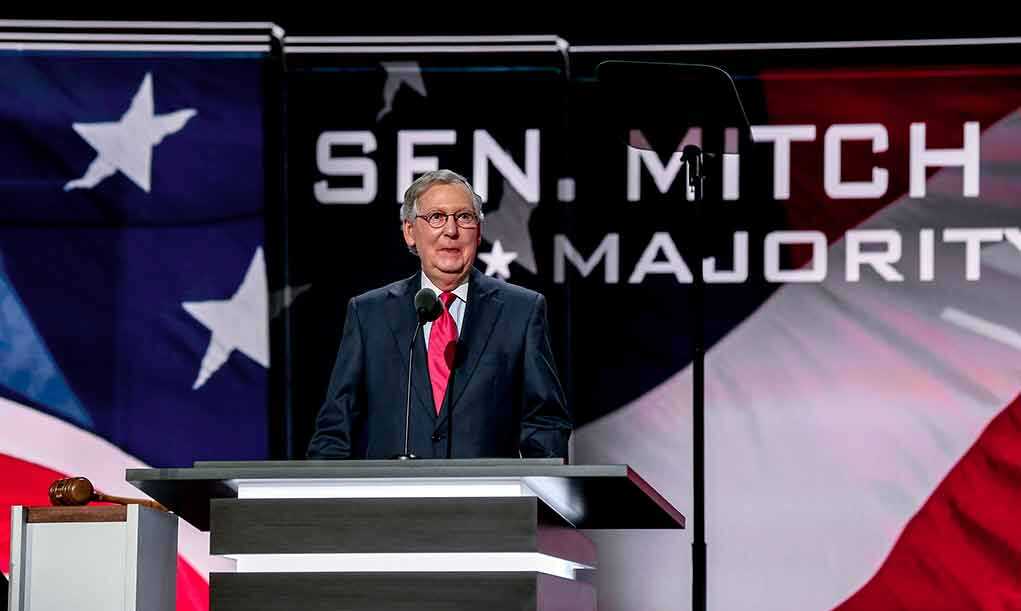
Senator Mitch McConnell returned to the Senate in a wheelchair and cast his first vote since June, marking a concrete step back into duty.
Story Highlights
- McConnell returned to the Capitol and voted for the first time since June 11.
- He arrived in a wheelchair and said he looked forward to being back on the floor.
- His office cited a long recovery and ongoing effects of childhood polio.
- The vote was regular legislative business, not a symbolic appearance.
Verified Return To The Senate Floor
C-SPAN footage shows Senator Mitch McConnell back on the Senate floor to vote for the first time since June 11. The clip documents his presence during an actual roll call, confirming he resumed official duties after months away. This is the core fact: he returned and voted, on the record, in person. That evidence comes from the chamber feed that tracks Senate proceedings and timestamps member actions on voting days.
Reporters at the Capitol observed that McConnell arrived in a wheelchair before heading to the vote. Coverage from major outlets, including a network report, described him as using a wheelchair during his return. The reports match the visual record from the day and align with the timeline of his reentry to work. This detail framed the scene but did not change the function of his duty: he was present to cast a roll call vote.
His Statement And Health Context
Earlier that day, McConnell said he would cast his first vote since his June fall and that he looked forward to being back on the floor. That simple note set a clear expectation and explained his purpose for coming in. His office has said the recovery has been long and frustrating, with lingering effects from childhood polio playing a role. He also continued physical therapy during the absence to get back to full strength as he returned to work.
Coverage describes the absence as beginning after a June fall that led to hospitalization and rehabilitation. Outlets reported his discharge from rehabilitation in August and his steady work toward returning to the Capitol. The span from June to mid-September matches the voting gap cited by network and local reporting. Those reports also placed him interacting with colleagues near the floor area before the vote, reinforcing that he was back on site for official business.
What The Vote Was — And Was Not
Reports indicate the event was a real roll call on legislative business, not a staged visit. One local outlet specified it involved a district court judgeship, showing the Senate was moving routine nominations. That matches how the chamber often schedules confirmation votes at the start of a week. The point is simple: McConnell took part in the core work of the Senate again, which is recording votes on nominations and bills before the body.
Senator Mitch McConnell made his return to the U.S. Senate on Monday, ending a three-month absence following a fall at his Washington, D.C. home that resulted in hospitalization and a lengthy recovery. https://t.co/UuaI6J4pgX
— NewsRadio WHAM 1180 (@WHAM1180) September 15, 2026
Media attention focused on the wheelchair and the length of his absence. That focus is common when the health of a senior lawmaker is visible. Still, the day’s hard fact stands apart from the optics: McConnell resumed voting in person. In a closely divided Washington where every vote can shape judges and policy, showing up matters. This return put a veteran Republican back on the board during a live floor session with real outcomes attached.
Why This Matters For Voters
Senate attendance affects courts, budgets, and national policy. When senior members return, it restores predictability to floor math and committee work. For conservatives who want limited government, secure borders, strong courts, and lower costs, having experienced voices present is key. McConnell’s vote will not fix everything overnight, but it adds weight to the right side of the scale. It also signals that the conference expects to drive confirmations and push back on left-wing priorities.
Transparency about health is not governed by strict Senate rules, and offices often share limited details. That is common, even if it leaves questions outside the medical facts. In this case, reporters had a direct statement from McConnell, on-camera chamber evidence of his vote, and on-the-record remarks about his rehabilitation. Those items give the public a clear answer to the basic civic question: did he return to work and vote? Yes, he did, and the record reflects it.
Sources:
cnbc.com, yahoo.com, c-span.org, lpm.org