
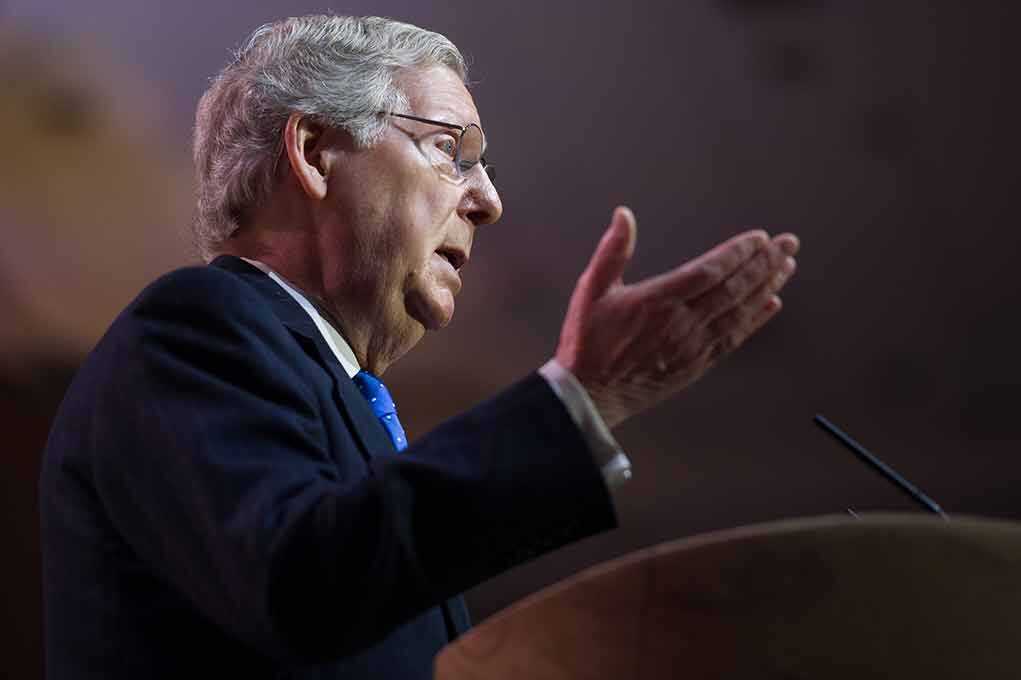
After three months away for medical recovery, Sen. Mitch McConnell returned to the Senate and cast a vote — then skipped one the very next day, igniting fresh debate about fitness and transparency.
Story Highlights
- McConnell reappeared on the Senate floor and cast his first vote since June.
- Media and photo reports documented his Capitol return after hospitalization.
- His office had earlier cited medical advice for delaying a floor comeback.
- The day after, he missed one of two votes, drawing sharp attention and criticism.
McConnell Marks First Floor Vote Since June Hospitalization
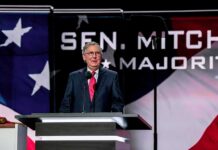
Sen. Mitch McConnell returned to the Senate on Monday and cast his first vote since a June hospital stay for a fall and pneumonia, according to multiple reports. His public message said he looked forward to being back and voting again. National outlets confirmed this was his first Senate floor appearance since June, ending a months-long absence that had paused his in-person work in Washington. A network video package also described his return to the Senate floor after hospitalization.
Photo reporting from the Capitol showed McConnell arriving for Senate business on September 14. Captions identified the images as his first public appearance in over ninety days. Outlets framed the moment as a notable return by an eighty-four-year-old party leader after a serious health episode earlier in the summer. The images and on-air segments offered the clearest proof of presence, as he resumed voting in the chamber following his extended recovery period at home and in rehabilitation.
Medical Timeline and Earlier Delay Statements
Coverage this summer traced McConnell’s setback to a June hospitalization after a fall, a brief loss of consciousness, and pneumonia. Reports noted that he later left a rehabilitation center to continue intensive physical therapy at home. Before his floor comeback, he said he would not yet return on the advice of doctors, signaling a paced recovery plan. Those updates help explain the long gap, even as day-to-day details of treatment remained private, as is typical for members of Congress.
Roll Call reporting in early August quoted McConnell saying he had been released from rehab and would continue an intensive therapy regimen while working toward a return. That staged approach tracks with how many lawmakers balance medical needs and official duties. It also shows how key staff support can keep constituent services and committee preparation moving while a member steps back from floor votes for health reasons, then reenters when cleared to do so.
The Uproar: A Missed Vote the Day After His Comeback
The day after McConnell’s floor return, he missed one of two votes, which sparked fast criticism online and in political media. Headlines and clips highlighted the contrast: a celebrated comeback followed by a missed tally within twenty-four hours. While a single missed vote is not unusual in the Senate, the timing drew heavy notice because it followed months away and intense focus on his health. The earlier reporting had already emphasized concerns about age and stamina.
The reaction shows how an aging Congress often becomes a flashpoint, with health events turning into partisan storylines and governance questions. Past reporting documented how long absences stall votes and narrow margins. When senior lawmakers return, even small scheduling choices get amplified. In this case, the immediate scrutiny reflected pent-up attention after his three-month absence and the leadership role he holds inside the Republican Conference in a closely watched election cycle.
Why This Matters for Voters and Governance
Congress has no standard fitness-for-duty process for extended medical leave. Senior members often keep serving, with staff carrying key work until the lawmaker is able to vote in person again. Analysts and historians have noted that the institution relies on personal judgment, party pressures, and voter feedback rather than formal medical rules. That setup can leave constituents frustrated when absences stall action on spending, border security, and nominations that affect daily life.
On Monday (Sept. 14), Senator Mitch McConnell of Kentucky returned to the United States Senate after an absence of nearly three months. However, the return stoked more questions about McConnell’s health, especially as reporters were told they couldn’t r… https://t.co/j3axUJ4GC3
— z1079 (@Z1079) September 16, 2026
Conservative voters want steady, visible leadership that shows up to fight for borders, lower costs, and constitutional rights. McConnell’s return and next-day absence highlight the stakes. Every vote can shape energy policy, crime bills, and oversight that holds federal agencies to limits. Transparency, clear schedules, and reliable attendance help rebuild trust. Simple steps like prompt floor updates, timely medical guidance, and consistent presence can keep the Senate focused on results, not drama.
Sources:
redstate.com, 6abc.com, nypost.com, nytimes.com, time.com, abcnews.com