
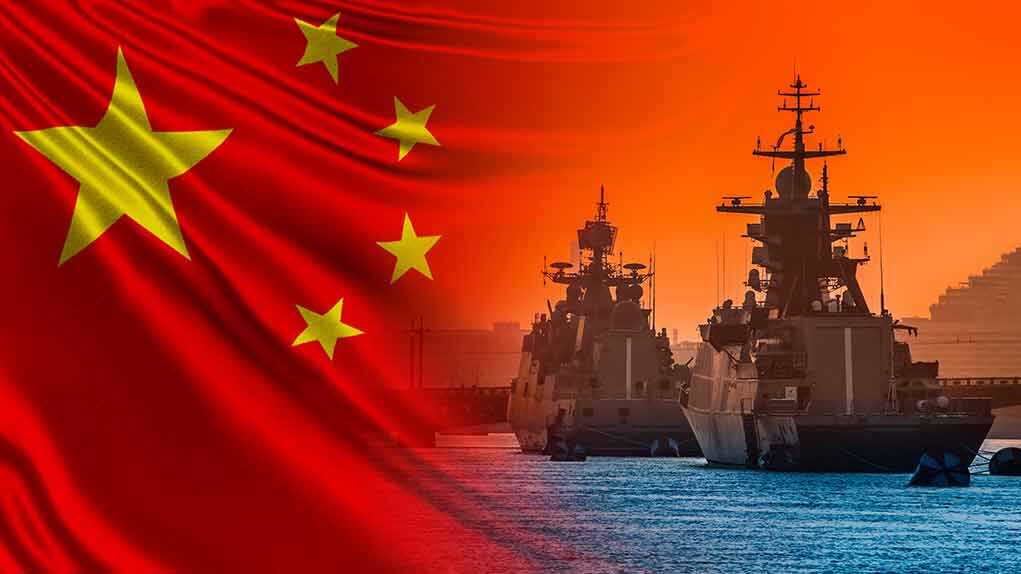
A Chinese coast guard ship blasted a Philippine government vessel with a water cannon near Scarborough Shoal, raising the risk of a wider clash in the South China Sea.
Story Highlights
- Philippine officials say a Chinese ship fired a water cannon and came within seven meters of a patrol boat.
- China claims it lawfully drove away “intruding” Philippine vessels near the disputed shoal.
- Video and prior on-board reporting have shown similar water-cannon encounters at Scarborough Shoal.
- The standoff fits a repeat pattern of dueling claims and close calls that could spiral fast.
Clash Reported Near Scarborough Shoal
Philippine authorities said a Chinese coast guard ship hit the BRP Datu Paduhinog with a water cannon near Scarborough Shoal. Officials said the Chinese vessel closed to about seven meters and damaged equipment with the blast. They described the maneuver as reckless and said the mission supported Filipino fishermen inside the Philippine exclusive economic zone. Associated Press reporting described water cannons used on two Philippine patrol vessels in a similar area, with minor damage reported and no injuries.
China gave a different account and said it tracked and drove away Philippine vessels that entered what it calls its waters. Beijing framed its actions as standard, lawful control measures near the shoal, which it also calls Huangyan Island. This back-and-forth claim pattern has become common after such run-ins. Each side quickly issues statements that defend its actions and blame the other for raising tensions, often within hours of the event.
Evidence From Prior Encounters
Journalists have witnessed similar confrontations at this shoal. The British Broadcasting Corporation filmed a Philippine ship being hit by a Chinese water cannon while several Chinese ships trailed close behind. The reporter said the blast came across the bow during a tense pursuit. No injuries were reported on that trip, but the tactic forced a retreat. That report matches other documented standoffs over the past two years. Recent video and photos also support Manila’s latest claim of water-cannon use.
The Associated Press reported this week’s exchange involved Chinese ships firing water cannons at two Philippine patrol vessels near the shoal. One Philippine ship took minor damage. The report noted no injuries. It also described how these incidents recur, often during resupply or support trips for Filipino fishermen. The timing, location, and tactics mirror several past confrontations that drew protests from Manila and sharp replies from Beijing.
Why This Flashpoint Matters to America
Scarborough Shoal sits near main shipping lanes and close to the Philippines, a United States treaty ally. A misstep here can pull in outside forces fast. Reuters and other outlets have detailed how one clash can ripple into days of military signaling and risk to trade. The Philippines insists these waters fall inside its exclusive economic zone, while China claims control and tries to enforce it with coast guard and militia ships. That standoff keeps raising the odds of an accident that no one can ignore.
American conservatives care because this is about sovereignty, free seas, and standing with allies who face coercion. When a bigger power uses force to push a neighbor out of its own waters, that threatens rules that keep trade moving and wars at bay. Strong, clear support for lawful navigation and for our treaty ally deters bullies and prevents costlier choices later. That is not globalism. That is common sense defense of American interests and stability.
Pattern of Close Calls and Dueling Claims
Newsrooms have logged a steady cycle: the Philippines reports water cannons, rammings, or blocking maneuvers, and China replies that it acted lawfully to expel intruders. The facts that matter here are simple. Philippine crews keep trying to patrol and resupply in waters they claim as theirs. Chinese ships keep meeting them at close range with water cannons and tight turns that risk collision. Each pass at seven to ten meters leaves little room for error.
2nd day of water‑cannon attacks near Scarborough Shoal — just 7 meters away. We were bringing aid to our fishermen. AIS turned off to hide identity. No apology for injured sailor.
This is our sea. We will not back down. #WestPhilippineSea #AtinAngBatanes pic.twitter.com/8OfJgwSDaf
— CITIZEN WATCH (@_bonzzzzz) July 24, 2026
Policy makers should focus on three steps that align with American interests. First, back clear radio and video records of each event to cut through spin and keep facts front and center. Second, strengthen at-sea coordination with Manila to lower risk and speed help if a crew is hit. Third, push partners to keep shipping open and lawful. That keeps pressure off American families who already face high costs when trade routes turn unsafe or insurance rates spike.
Sources:
insiderpaper.com, straitstimes.com, reuters.com, cnn.com, rappler.com