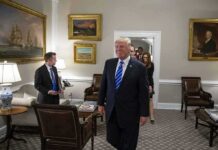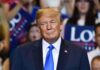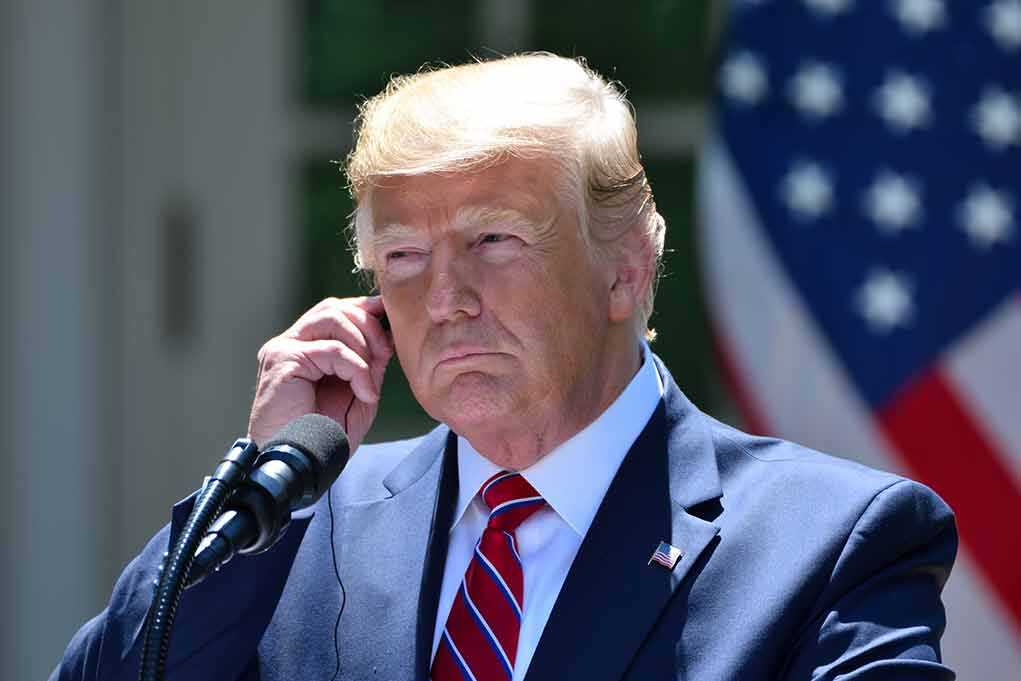
After an attempted assassination cut the last dinner short, President Trump returned to the White House Correspondents’ Dinner with tighter security and a clear message: the show goes on.
Story Highlights
- Prosecutors said a gunman tried to assassinate President Trump, forcing April’s dinner to end early.
- The event was reset for July 24 with enhanced screening and controlled access at a new venue.
- Trump accepted the invite and framed the return as strength guided by law enforcement advice.
- The record shows security upgrades, but not any subpoena documents tied to press leaks.
Why The Dinner Was Delayed And What Changed
Reporters, officials, and guests saw the April dinner end suddenly after shots were fired near the site. Prosecutors said the suspect aimed to assassinate President Trump, and the Secret Service evacuated attendees as a precaution. The White House Correspondents’ Association then moved the event to July 24. Organizers promised stronger screening, stricter entry, and a smaller, more controlled setting to protect everyone on site. Security was the first priority, and the changes showed it.
Bloomberg reported the association chose the Waldorf Astoria for the rescheduled dinner, with new access rules and tighter guest lists. The goal was to cut soft spots and speed response if trouble came again. That meant more law enforcement coordination and clearer lanes for emergency teams. The message was simple: protect life first, then hold the dinner. No one wanted a repeat of April. The plan let the event continue without caving to fear.
Trump’s Framing: Safety First, But Do Not Let Violence Win
President Trump accepted the invitation to return and said the dinner would happen only after guidance from law enforcement. He called the reset a sign of strength and resolve. He said the country must not let violent actors set our calendar or our speech. Local coverage captured his line that “the show must go on,” but that it would do so with safety as the rule. That stance matches a basic conservative view: secure the venue, then carry on.
Video of the rescheduled program shows Trump speaking and the association president addressing unity after the attack. The tone mixed respect for press work with praise for police and staff who handled the crisis. That balance matters. Americans expect both free speech and firm security. When threats rise, leaders must protect people while keeping public life open. The return dinner tried to do both, and it did so under clearer rules and more screening.
Press Freedom, Security, And What The Record Actually Shows
Some outlets tied the dinner story to a wider fight over reporter records and leak probes. That debate is real in American life. But the materials here do not include any Department of Justice subpoenas, court rulings, or affidavits that explain scope, targets, or legal basis. That gap makes firm claims, either for or against such subpoenas, hard to prove from this record alone. The confirmed facts center on the shooting, the reschedule, and the major security upgrades.
US President Donald Trump returned to the rescheduled White House Correspondents’ Association dinner on Friday, July 24, after the original event was abruptly halted in April following an active shooter situation.
Here is what happened at the event https://t.co/cagCfNo3tL pic.twitter.com/0kV7turBxD
— Al Jazeera English (@AJEnglish) July 25, 2026
Conservatives can take two clear points from the facts. First, violent chaos did not win. The president returned, spoke, and kept the focus on safety and law enforcement. Second, institutions worked better with stricter rules and accountable security leadership. That is how limited government should act: protect rights by stopping threats, not by curbing free assembly. If future press-record disputes arise, the standard should be the same: narrow, lawful, and provable—backed by documents, not spin.
Sources:
nytimes.com, youtube.com, wbaltv.com, apnews.com