
Protesters pressed Madison officials after a fatal police shooting that left a man dead and a city on edge.
Quick Take
- Police say a Madison officer shot a man after he produced a knife during an arrest attempt.
- Protesters quickly took to the streets and confronted city officials over accountability.
- The Wisconsin Department of Justice opened an outside homicide investigation.
- All four officers involved were placed on administrative leave while the review continues.
Shooting Sparks Fast Public Backlash
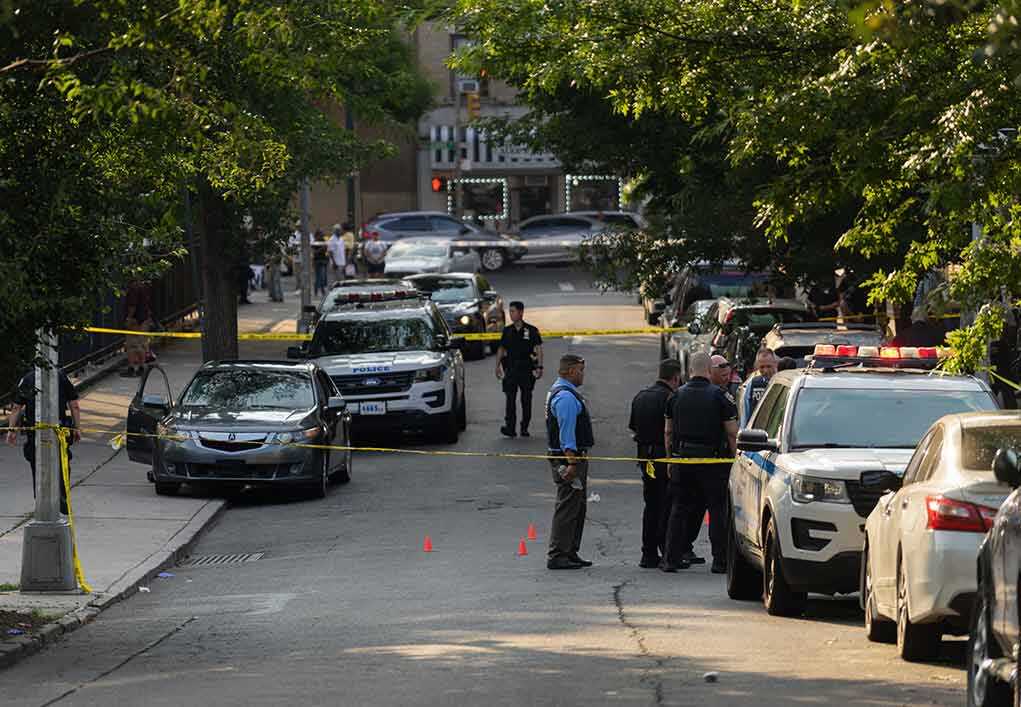
Madison police say an officer shot and killed a man during an attempted arrest on the city’s near east side. According to reporting from local and national outlets, the man had a knife and injured an officer before the shooting. The incident set off immediate unrest, with protesters gathering in the streets and later confronting city officials as the city waited for more answers.
Reuters reported that protesters took to Madison streets the same day, while Wisconsin Public Radio said four officers were involved and placed on leave. The New York Times reported that the Wisconsin Department of Justice opened a homicide investigation and that the officers were moved off the street during the review. That sequence turned a single police encounter into a broader fight over trust, force, and public accountability.
What Police Say Happened
Police Chief John Patterson said officers tried to take the man into custody before the confrontation turned violent. Reporting from the scene says the man drew or produced a knife, injured one officer, and was then shot by that same officer. Patterson also said officers first tried a Taser before using gunfire, which gives investigators a clear set of steps to examine when they review the need for force.
The current record still leaves important questions open. The reporting does not provide a full forensic timeline, the exact distance between the officers and the man, or the full sequence of commands and warnings. It also does not yet identify the deceased in the sources provided. That means the public can see the rough shape of the encounter, but not the complete picture needed for a final judgment.
Accountability Fight Moves Into the Open
The protests were not only about one shooting. Demonstrators also framed the case around racial injustice and broader concerns about police violence, which helped turn a local incident into a larger political flashpoint. That reaction fits a familiar pattern in high-profile police shootings: officials speak first about an immediate threat, while community members demand proof, transparency, and outside review before they accept the police version of events.
Let's also revisit 2017, when Ford and a family member had a police encounter that resulted in an arrest. When that bodycam footage was requested, Ford sued to keep it sealed, taking the case all the way to the NV Supreme Court. We can only imagine what's in that video….. https://t.co/jBMKCxLsB4
— @JimDeGraffenreid3 (@jimde45) July 24, 2026
For conservatives, the bigger issue is not slogans from the street. It is whether city leaders and state officials give the public a full record instead of a filtered narrative. In a case like this, rushed certainty helps nobody. The facts now known point to a violent encounter, a fatal shot, and an outside investigation. The unanswered questions will decide whether the shooting is seen as justified force or a preventable tragedy.
Sources:
youtube.com, rmb.reuters.com, wpr.org, nytimes.com, wsws.org, commondreams.org