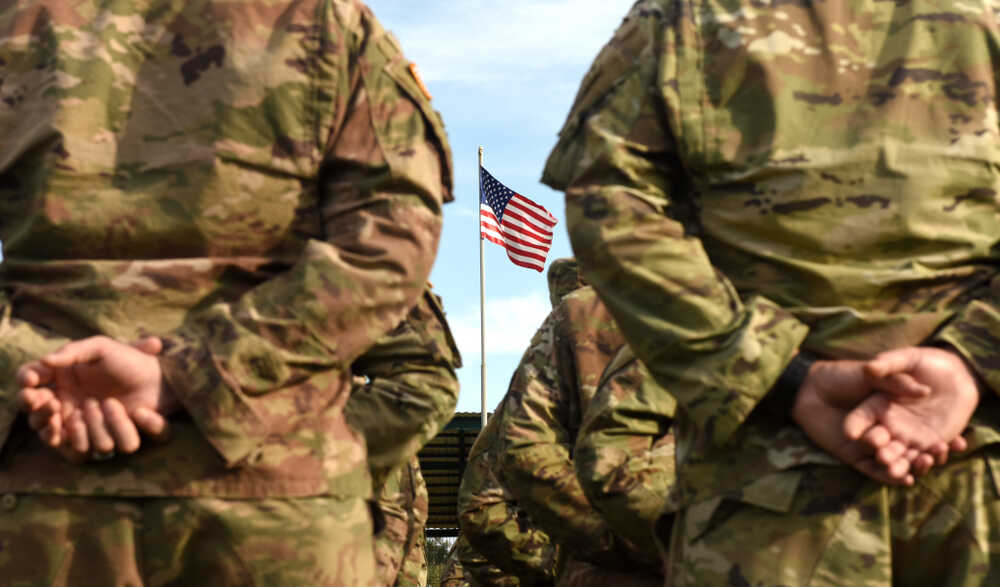
Wounded American soldiers say the Pentagon is quietly labeling blast injuries as “not serious,” turning real pain and lifelong damage into a paperwork problem.
Story Snapshot
- Dozens of troops from the Port Shuaiba drone attack report burns, brain trauma, and shrapnel wounds, not “minor” injuries.
- Families say they were told loved ones were “treated and released,” only to learn of permanent hearing, vision, and lung damage later.
- Survivors accuse the Army of using a narrow 72-hour death rule to downplay injuries and avoid full combat-care benefits.
- Lawmakers now demand answers on why requests for more medical support and better drone defenses were ignored before the attack.
Deadly Iran drone strike and the growing fight over “not serious” injuries
On March 1, an Iranian drone slammed into a United States Army command post at Port Shuaiba in Kuwait, killing six American soldiers and wounding at least 20 more.[4] Survivors told reporters that dozens beyond that first count suffered burns, traumatic brain injuries, memory loss, and shrapnel wounds across their bodies.[6] One United States official later said at least 34 service members were checked for possible brain injuries, hinting the real human toll was far higher than the first Pentagon numbers suggested.[7] These facts set the stage for today’s dispute.
The Army describes most of these troops as “not seriously injured,” based on a simple rule: if a soldier is not likely to die within 72 hours, the injury is classified as minor.[6] That rule may sound clear on paper, but it means blast lung damage, hearing loss, and long-term brain issues can be treated like cuts and bruises. Wounded troops and families say this narrow definition lets the Pentagon brag about “few serious casualties” while real warriors struggle for care, long-term support, and honest recognition of what they gave for the country.[6]
Inside the blast: shrapnel, brain trauma, and families kept in the dark
Medical records reviewed by CBS News show Chief Warrant Officer Rodney Biermann suffered shrapnel wounds from his head down to his legs, a concussion, hearing and vision loss, and blast lung damage in the Port Shuaiba strike.[6] Despite this, an initial Pentagon message on March 2 told his family he was “not seriously injured” and had been “treated and released back to duty.”[6] His wife, Amy Biermann, later called that assessment “unacceptable,” saying she expected a clear, official notice about serious combat wounds, not a reassuring line that hid permanent damage.[6]
Sergeant First Class Corey Hicks, another survivor, says his care has been slow and incomplete. Four months after the blast, he still had not seen a neurologist, even though he had ongoing headaches and other signs of possible brain injury.[6] Other soldiers report burns and memory loss, yet they do not feel they are being treated like true combat casualties who earned full support and detailed follow-up.[6] For many readers who back the troops, this sounds less like “thank you for your service” and more like “do not rock the boat,” especially when long-term disability payouts and unit readiness numbers are on the line.
Unprepared for modern drone war: ignored warnings and thin defenses
Survivors say their unit asked for more medical support weeks before the attack, but Army leaders refused to beef up resources at the site.[4] Master Sergeant Ann Marie Carrier told CBS News that there were no drills for a mass casualty event and no serious rehearsal before Operation Epic Fury, the Pentagon’s name for the Iran campaign.[4] She and others describe a command post built like older Iraq and Afghanistan war sites, ringed with concrete blast walls but lacking protection from drones that strike from above.[4]
One soldier said the building was basically a shipping container with “none” level drone defense, including only a tin roof that offered no overhead protection from falling debris or explosive force.[4] At meetings before the strike, survivors recalled asking for more drone defenses and being told, “Don’t worry about protection.”[4] The day after the attack, Defense Secretary Pete Hegseth called the drone a “squirter,” meaning it slipped through existing defenses.[4] That label clashes sharply with what the wounded describe: a unit left exposed in a modern war zone without the tools or training to handle the most obvious threat.
Pentagon insists injuries are minor while calls for oversight grow
Defense Secretary Hegseth later said almost 90 percent of roughly 400 injured United States service members in the Iran conflict had “minor” injuries and returned to duty.[5] An Army spokesperson told CBS News, “Any assertion that the Army seeks to downplay a soldier’s injuries is simply not true,” arguing critics misunderstand strict medical categories.[6] Yet the Army has not released full data to back up the 90 percent figure, nor has it shared an independent medical review of cases like Biermann and Hicks.[6] That gap keeps suspicion alive among troops and taxpayers alike.
Senator Tammy Baldwin says multiple injured soldiers from the March 1 attack came to her office and reported they were denied extra medical supplies before the strike and are not getting the care they need now.[6] She pressed the Army Secretary for answers, signaling that Congress may dig deeper into how the Pentagon prepared for the attack and how it is now classifying and treating wounded personnel.[6] For conservative readers who demand a strong but honest military, this oversight push is not “anti-troop.” It is about making sure the people who stand in harm’s way are never treated as numbers in a press release.
Sources:
[4] Web – Iranian drone strike killed US soldiers at hub in Kuwait port
[5] Web – Pentagon identifies 4 of 6 U.S. soldiers killed in Iran war by …
[6] Web – Kuwait in the 2026 Iran war
[7] Web – Army survivors of deadly attack in Kuwait dispute …