A new three-nation defense pact says an attack on one is an attack on all, reshaping Gulf security while Iran’s missiles and militias loom in the background.
Story Snapshot
- Saudi Arabia, Turkey, and Pakistan signed a collective defense pact in Mecca.
- The text names no enemy and lists no hard obligations, but pledges joint deterrence.
- Ankara says the pact is not aimed at Iran, despite the tense regional backdrop.
- The agreement follows nearly a year of talks as conflicts and missile strikes rocked the region.
What The Mecca Pact Actually Says
Saudi Arabia, Turkey, and Pakistan signed a defense agreement that treats an armed attack on one as an attack on all three. Officials released the pledge after a meeting in Mecca that brought together top leaders from each country. Reports state the joint statement outlines collective deterrence against aggression. The text does not list precise troop commitments, timelines, or binding steps. The agreement is a political signal first, and a military plan second, at least on paper so far.
The open language mirrors other defense compacts that aim to warn off threats without boxing in the members. The promise to stand together raises the cost for any actor who might test one of them. That is the point of collective defense. But without named triggers or hard numbers, the burden shifts to diplomacy, readiness, and will. The pact’s power will depend on how fast these states build real command links, drills, and logistics to match the words.
Why Now: A Region On Edge
The deal landed during a stretch of severe turmoil around the Gulf and beyond. Reporting ties the timing to conflicts that spilled over borders and to missile fire that hit near key oil exporters. Those shocks rattled markets and raised fears of wider war. Reuters noted the three governments had worked on a draft for nearly a year, seeking a bulwark as violence rose. The new pact is their answer to a hard season of risk, not a calm moment’s theory.
That context explains the deterrent tone. Energy routes stay safe only when bad actors see a united front. Saudi Arabia carries global oil weight. Pakistan brings large land forces and a history of security cooperation with Riyadh. Turkey adds a North Atlantic Treaty Organization–tested military and a strategic bridge between the Middle East and Europe. Together, they can complicate any hostile planner’s math, even if the text leaves details for later work and future announcements.
Is It About Iran? What Officials And Reports Say
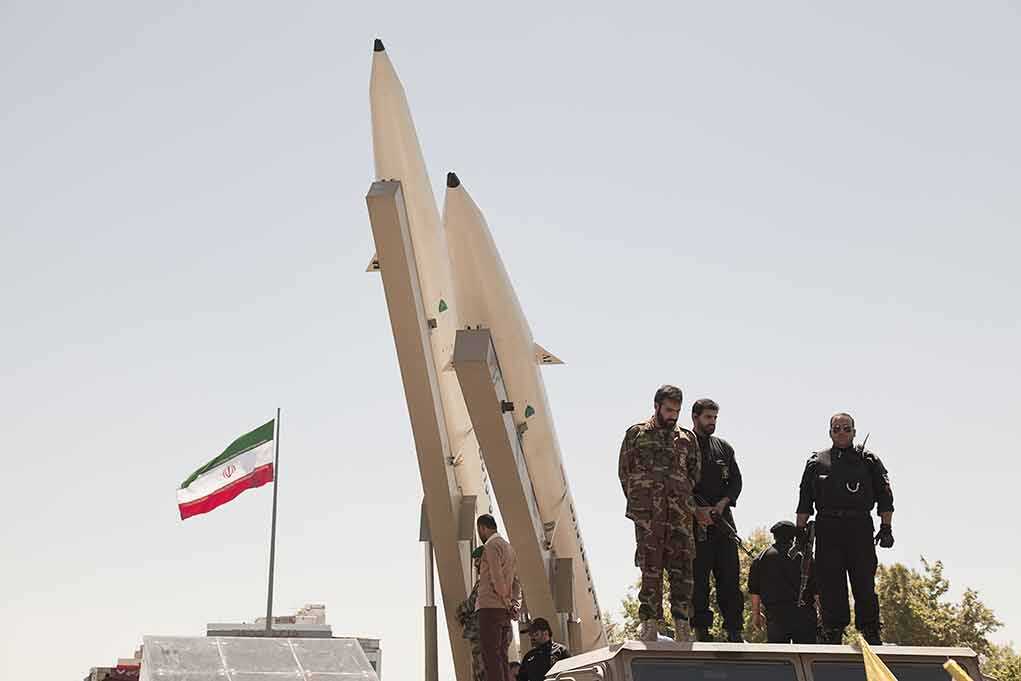
Turkey’s foreign minister said the pact is not aimed at Iran or any other country. He also said there is no written common threat list that targets Tehran. That denial is clear. At the same time, several outlets place the agreement inside a threat picture shaped by Iran-linked conflict and missile activity. Both points can be true at once: states often write general words while signaling a real-world audience that understands the message.
Turkey has laid out plans for a joint defence pact with Pakistan and Saudi Arabia — a NATO member, a nuclear-armed state and the Gulf's biggest oil producer in one security bloc. Ankara says it is a framework, not a signed treaty. Who is a bloc like that meant to deter? pic.twitter.com/2cS2Ab4kbu
— Front Wire (@thefrontwire) August 13, 2026
Skeptics point to the lack of binding military terms and ask how firm the promise is. That is fair. The text lists goals, not a full battle plan. But the absence of detail does not erase the step these governments took. Collective defense lines, once spoken, are costly to ignore. If the three move next on joint exercises, intelligence sharing, and quick-reaction protocols, the deterrent grows. If they stall, the region will read it as posture without teeth.
What It Means For America-First Security Interests
The United States cares about stable oil flows, safe sea lanes, and fewer wars that drag in Americans. A stronger regional deterrent can help. When partners carry more of their load, it eases pressure on U.S. forces and taxpayers. That aligns with conservative priorities for peace through strength and limited, focused engagement. But Washington should press for clarity. Real defense comes from interoperable radios, shared air pictures, and fuel on the pier, not only communiqués.
For President Trump’s team, the task is simple and sober. Encourage allies to harden defenses, keep Iran’s missiles and proxies in check, and protect global supply lines without writing blank checks. Ask for proof of progress: exercises on the calendar, command posts staffed, and logistics mapped. Support what works, skip what is performative, and insist on outcomes that lower risks for American families, energy prices, and jobs at home.
What To Watch Next
Watch for a public release of annexes or follow-on agreements that spell out consultation timelines, air and missile defense links, and rules for quick aid. Look for announced joint drills and visible moves to shield oil sites and sea lanes. Track whether other states seek entry, which could shift the balance further. The next sixty to ninety days will show if Mecca was a headline or the start of a real security architecture with bite.
Sources:
theatlantic.com, reuters.com, aljazeera.com, dw.com, atlanticcouncil.org