
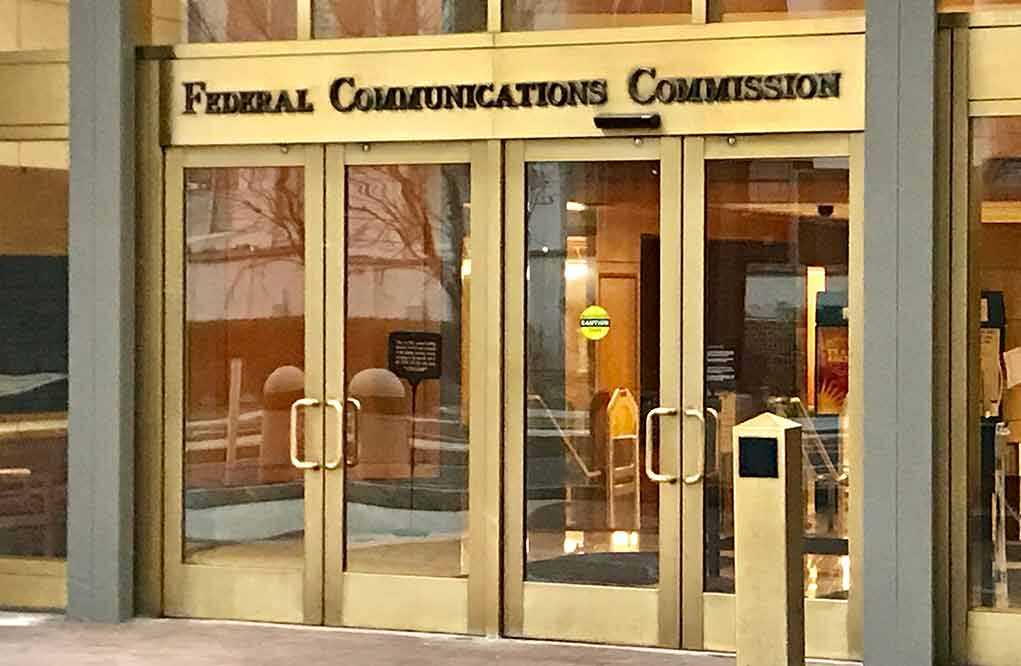
A federal judge froze an unusual early review of ABC’s broadcast licenses, warning the process likely violated free speech protections.
Story Highlights
- A judge issued a preliminary injunction stopping the Federal Communications Commission from pushing early ABC license renewals.
- The court said the license threat could chill speech because losing a license is an “existential” penalty.
- Eight Disney-owned ABC stations were told to renew years early, before their licenses expired.
- The Federal Communications Commission says it acted over possible discrimination and equal-time issues, not ABC’s speech.
Judge’s Order Halts Early License Review On First Amendment Grounds
U.S. District Judge Loren AliKhan granted Disney and ABC a preliminary injunction that blocks the Federal Communications Commission from pressing early renewal reviews of eight ABC stations. Reports on the ruling say the court found ABC is likely to succeed on its First Amendment claim and that the case “is not a close one.” The order pauses the agency while the lawsuit proceeds. The decision is interim, not a final ruling on the merits, but it changes the immediate risk landscape.
Reuters reported the injunction stops the Federal Communications Commission from moving toward a hearing that might threaten the stations’ licenses. That type of hearing can lead to a station going dark. The Associated Press said the agency had ordered eight ABC-owned stations to file early, years before their current terms end. The court’s order keeps today’s status in place while the parties fight over the law and the facts in the weeks ahead.
Why The Court Saw A Chilling Effect Risk
The court described the possible penalty as “extreme, indeed existential,” because a broadcaster without a license cannot stay on the air. That level of risk can cause a news outlet to pull punches, even before any final punishment happens. Under the First Amendment, the government may not use its licensing power to retaliate against disfavored speech. The judge said the early process itself, under these facts, could chill a broadcaster of ordinary firmness from speaking freely.
Several outlets said the court linked the timing and context to the First Amendment claim. Reports noted the order covered eight ABC stations and arrived after political fights over ABC programming. The ruling’s strong language stood out, with one account quoting the judge’s view that the case was not close. Still, this relief is preliminary. The court has not yet issued a final judgment that the Federal Communications Commission broke the law, and discovery could shape what comes next.
What The Federal Communications Commission Says It Was Doing
Federal Communications Commission Chairman Brendan Carr has said the early review flowed from a yearlong probe into Disney’s diversity, equity, and inclusion policies, and from questions about compliance with the Communications Act of 1934. He also cited the duty to operate in the public interest. The agency or its leaders have further pointed to a separate look at whether ABC’s The View triggered equal-time obligations for political candidates during campaign season.
Public statements from the agency say the early renewal process was “in aid” of those investigations and would have happened regardless of ABC’s editorial choices. Carr denied that the White House pressured him to act. The reports we have do not include the full administrative record or the text of the agency’s order, so the complete basis the Federal Communications Commission relied on is not available in these materials. That leaves some open questions about the evidence behind the early reviews.
What This Means For Free Speech And Viewers At Home
This injunction is a real-time guardrail. It shields stations while the court weighs claims that a licensing tool was used in a way that could chill speech. The power to grant or pull licenses is a heavy lever. If it is used wrong, it threatens open debate. If it is used right, it enforces clear rules against discrimination and keeps elections fair. The judge’s order says, for now, that the risk to speech took priority over pushing an early renewal schedule.
Judge blocks FCC from early license review for ABC, which network says has had a chilling effect https://t.co/yHPbPwApi4
— Chicago Tribune A&E (@ChiTribEnt) November 26, 2026
For conservative readers, the principle is simple: government must not bully speech from any side. Many of us distrust legacy media when it tilts left. But the Constitution protects speech even when we dislike the message. Today’s ruling reins in a process the court believed could silence critics tomorrow. The case now moves forward. Expect more filings on the alleged discrimination, on equal-time questions, and on whether the agency’s stated reasons match the evidence on file.
Sources:
cbsnews.com, apnews.com, reuters.com, nbcnews.com, politico.com, ew.com, edition.cnn.com, thehill.com, kcentv.com