Senate fast-tracks Jay Clayton for intelligence chief as Democrats try to leverage FISA chaos to stall Trump’s agenda.
Story Snapshot
- Trump selected Jay Clayton and urged swift Senate action amid security-policy turmoil [1][2].
- Senate Intelligence Committee set a rapid hearing, signaling unusual speed [2].
- Backlash over the acting director pick fueled the political fight around the nomination [2][4].
- Clayton’s record as Securities and Exchange Commission chair and U.S. attorney shaped the vetting debate [1][4][5].
Trump’s Nominee Meets a Senate on the Clock
President Trump announced he would nominate Jay Clayton to lead national intelligence and pressed the Senate to confirm him quickly. CNBC and NBC reported the move on June 11, describing Clayton as “highly respected,” echoing Trump’s praise of his legal stature [1][2]. The White House framed the choice as steady leadership for a sensitive moment. The message was simple: stabilize the intelligence community, end the tug-of-war, and keep the focus on national security, not Beltway games.
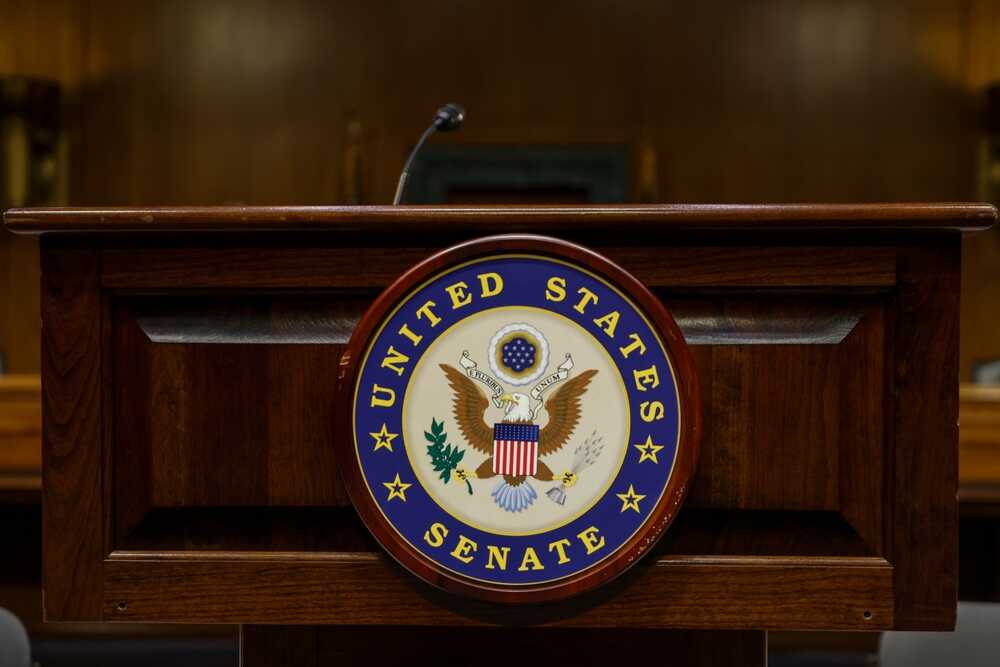
NBC reported that the Senate Intelligence Committee scheduled a quick hearing for Clayton, with leaders signaling the process could move even faster if senators agreed [2]. That pace is rare. Nominations often get dragged out for weeks or months. Here, the committee signaled urgency. Speed does not mean skipping vetting. It means putting the nominee in the chair so the country has a clear voice guiding the intelligence community while bigger fights get sorted out.
Why The Fight Turned on an Acting Pick and FISA Turmoil
NPR linked Clayton’s rollout to backlash over the acting leadership arrangement that preceded him [4]. That backlash fed a broader clash over surveillance policy known as Section 702. Lawmakers were already stuck on reauthorizing it, and partisan brinkmanship tied the personnel fight to that policy gridlock [4]. In short, some Democrats used the intel vacancy and acting pick dispute to gain leverage on surveillance demands, turning a nomination into a bargaining chip while national security needs stayed pressing.
CNBC, NBC, and PBS each sketched Clayton’s resume: former Securities and Exchange Commission chairman, plus service as a United States attorney [1][2][5]. That background matters for two reasons. First, it shows executive and enforcement experience that can translate to managing complex agencies. Second, it draws predictable criticism from those who want a career intelligence insider. Supporters answer that the Director of National Intelligence is a leadership post over many agencies, not a single-trade craft job, and management skill counts.
The Case for Swift, Serious Confirmation
The Senate moved to hold an open hearing the week of the announcement, underscoring the high stakes and the need for a vetted leader in the chair [2]. A prompt hearing is not a rubber stamp. It is a public test. Senators can probe Clayton’s approach to the Constitution, civil liberties, foreign threats, and how he will keep politics out of intelligence products. The goal is balance: protect Americans’ privacy while stopping terrorists, spies, and cartels who exploit our systems.
Conservatives want a Director of National Intelligence who respects the Fourth Amendment and will end the culture of unaccountable spying. They also want order at the border, strong counterintelligence against China, Russia, and Iran, and zero tolerance for politicized leaks. A fast but thorough hearing helps answer all of that. If Clayton clears those tests, the Senate should confirm and then hold him to every promise, in writing and in practice, with frequent oversight and transparency.
What We Know—and What We Do Not
The record shows Trump urged speed, and the Senate set a rapid timetable. It also shows controversy over the acting arrangement and the stalled surveillance fight increased pressure around the pick [2][4]. What the record does not show is a formal White House paper explaining any pause or delay rationale tied to the nomination itself. The available coverage instead documents momentum for advancement, not a defensible hold on the nominee [1][2][5]. That gap matters when judging motives.
Two significant developments to watch: the reported pause in Iran strike plans amid ongoing peace efforts, and the nomination of Jay Clayton for DNI. Both decisions could have major implications for U.S. foreign policy and national security in the months ahead.
— Wolfgang Obermair (@WolfgangOb44843) June 11, 2026
Here is the bottom line for readers who value the Constitution: America needs a confirmed leader at the top of the intelligence community, and the Senate’s job is to test, verify, and then decide. The hearing gives that chance. Clayton’s management record is public. His views on surveillance limits, foreign threats, and de-politicizing intelligence must be clear and firm. Move quickly, vet hard, and get a capable, accountable Director of National Intelligence in place to serve the country—not the swamp.
Sources:
[1] Web – Trump puts Jay Clayton’s nomination for intel chief on hold
[2] Web – Trump picks Jay Clayton as national intelligence director – CNBC
[4] Web – Trump nominates ex-SEC Chair Jay Clayton as intelligence chief
[5] Web – Trump names Jay Clayton to serve as director of national intelligence