

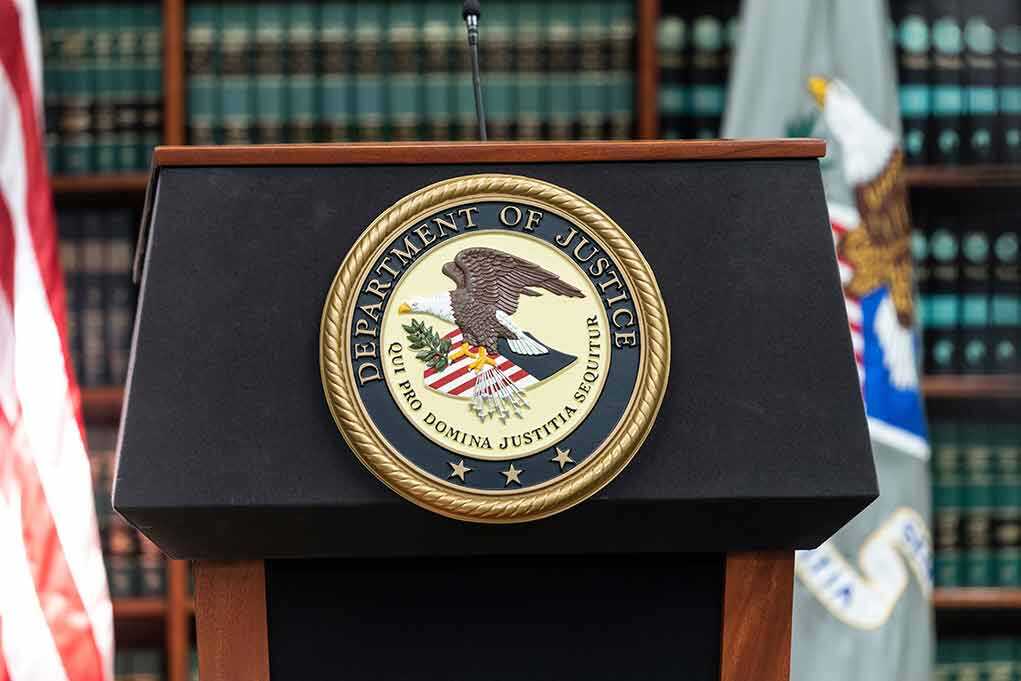
The Justice Department filed a formal misconduct complaint naming Minnesota federal judges after they criticized immigration enforcement in a New York Times interview, and it asks that they step aside from future Homeland Security cases.
Story Highlights
- Justice Department says Minnesota judges made improper public comments tied to immigration cases.
- Complaint seeks recusal from any case involving the Department of Homeland Security.
- Press interviews reportedly involved seven judges over 90 minutes discussing immigration enforcement.
- At least two judges are named; allegations rest on judicial ethics canons about impartiality.
DOJ Moves Against Judges Over Media Interviews
The Justice Department said on September 30, 2026, that it filed a judicial misconduct complaint against Minnesota federal judges who spoke to the New York Times about immigration enforcement and court orders. The department named Judge Patrick J. Schiltz and Judge John R. Tunheim, and referenced other judges who took part in the interview. Officials said the conduct broke judicial ethics rules and undermined confidence in impartial courts. The complaint marks a rare step aimed at protecting perceived neutrality in active federal matters.
The department’s filing points to canons that bar judges from public comment on pending or impending cases. It also cites the duty to act in ways that keep public trust in a judge’s neutrality. Reporters described the language as strong, calling the conduct a “flagrant” breach in some accounts. While a complaint is not a finding of guilt, the tone signals that federal leaders believe the remarks crossed clear ethical lines in a high-profile context.
Recusal Sought in Department of Homeland Security Cases
The Justice Department asked that the judges who spoke to the press recuse from any case involving the Department of Homeland Security. Officials argued that the public can now reasonably doubt the judges’ impartiality on matters that involve immigration and federal enforcement. That remedy reaches forward, not only back. It seeks to protect future cases from claims of bias and to head off legal fights that could slow or derail prosecutions, detentions, and removal orders that hinge on timely court action.
The recusal request aligns with past ethics guidance that treats public statements as a threat to the appearance of fairness when they touch on case-related issues. Federal rules warn judges to avoid press comments that could be read as taking a side on ongoing or looming disputes. Courts have ordered recusal when public remarks risk a perception of bias. The department’s filing places this dispute squarely in that lane, with immigration enforcement as the live subject at issue.
What the New York Times Interview Reported
The New York Times published its story on September 17, 2026, based on a reported 90-minute interview with seven Minnesota federal judges. Coverage says the judges described tensions over immigration enforcement, alleged disregard for court orders, and strain on court resources. Some of those statements read as political to critics, and some touched conduct that could appear in future dockets. The scale of the interview, the number of judges, and the timing during ongoing immigration disputes raised the stakes for ethics review.
Media summaries said the judges discussed failures to honor court mandates and decisions about who immigration officials arrest or release. Those themes track the department’s claim that the comments risked prejudging issues that might land before the same judges. Without the full complaint text, the public cannot yet see line-by-line quotes or canon cites. Still, the press accounts and the Justice Department’s release show why officials view the remarks as case-adjacent rather than purely general commentary.
Why This Matters for Rule of Law and Border Security
Americans need judges who call balls and strikes, not judges who sound like pundits about cases that may soon appear in their courtroom. When judges speak in ways that suggest a side on live enforcement issues, defendants, victims, and officers can all lose faith. Border cases demand fast, clean rulings. Recusal fights and appeals waste time. The Justice Department’s step aims to keep courtrooms focused on facts and law, not media narratives, as the nation confronts illegal immigration and related crime.
DOJ TARGETS FEDERAL JUDGES: In a rare move, Attorney General Todd Blanche has filed judicial misconduct complaints against seven federal judges in Minnesota, including Chief District Judge Patrick Schiltz and U.S. District Judge Nancy Brasel, citing overt political bias and… pic.twitter.com/OzsviLXd66
— Special Report (@SpecialReport) September 30, 2026
Judicial free speech has limits for a reason. Ethics canons bar public comment on the merits of pending or impending matters because even a hint of bias can taint outcomes. The department’s action does not convict anyone; it triggers a process to test the conduct. That process should move fast and fairly. If misconduct occurred, safeguards like recusal protect due process. If not, transparency will help restore confidence. Either way, the rule of law is the winner when standards are clear and enforced.
Sources:
washingtontimes.com, cnn.com, nytimes.com, audacy.com