
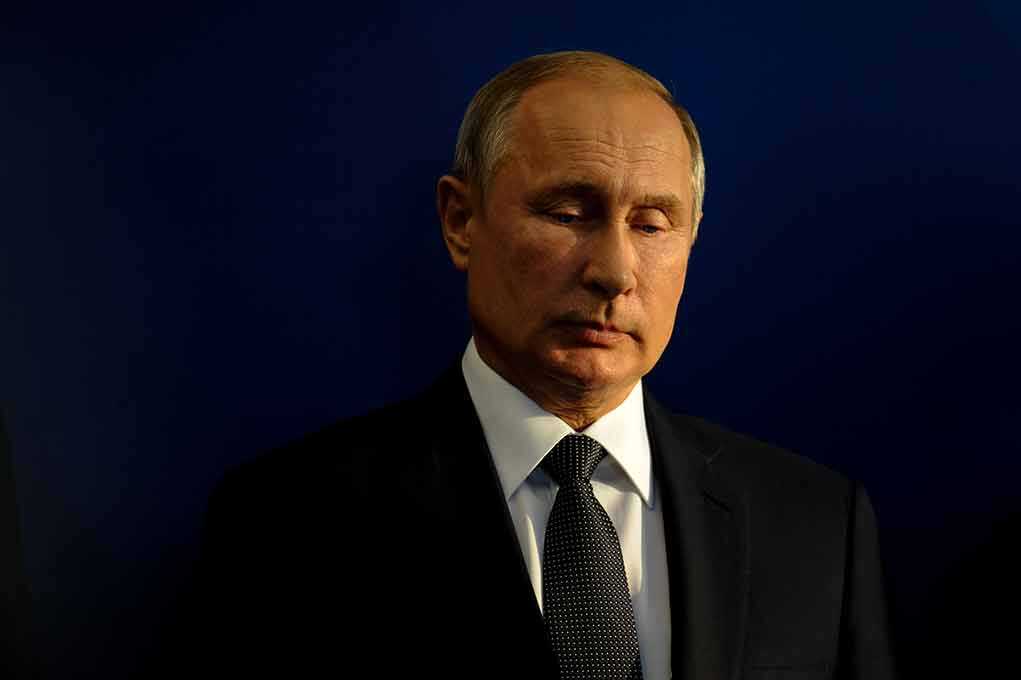
Jared Kushner says Vladimir Putin assured the United States he would not use nuclear weapons in Ukraine—and that promise still holds.
Story Snapshot
- Kushner said Putin “agreed” not to use nuclear weapons and “reassured us” that is not his intent.
- Russia has not used a nuclear weapon during the war in Ukraine, now nearing five years.
- Reporters note no public transcript or readout confirming the private assurance’s terms.
- U.S. officials have warned Putin’s nuclear rhetoric remains reckless even without use.
Kushner’s On-Record Claim From High-Level Talks
Jared Kushner, serving as a White House envoy, stated in a recorded interview that Vladimir Putin “has showed restraint” and “agreed not to use nuclear weapons,” adding that the Russian leader “reassured us” that such use is not his intention. He made the remarks on the MD Meets podcast released November 25, 2026. Major outlets separately reported the same quote and framing, tying it to Kushner’s role in direct talks with Russian officials.
Coverage describes the assurance as the product of direct U.S.-Russia engagement, not a casual guess. Reports did not present a Russian statement or a U.S. readout confirming the terms, which leaves the claim resting on Kushner’s account of private diplomacy. Still, the core facts are clear: Kushner said it on the record, and news organizations documented the words for the public record the same week the episode aired.
What We Know—and What We Do Not
Russia has not used a nuclear weapon in Ukraine. That is a verifiable outcome. Kushner’s comment links that outcome to a private assurance. The reports do not spell out whether the pledge was written or oral, bilateral or conditional, or how long it lasts. They also do not define whether it covers tactical weapons, strategic weapons, or all nuclear use. Those gaps matter when judging risk and next steps for U.S. policy.
The absence of a public record means the assurance cannot be independently verified in detail today. Multiple outlets captured the phrase “agreed not to use nuclear weapons,” but none supplied a declassified memo or cable. This does not negate Kushner’s claim; it sets a limit on what the public can confirm. That is common with sensitive talks, where formal records often remain classified for years.
Balancing Restraint Against Ongoing Nuclear Rhetoric
U.S. officials have long said they take Putin’s nuclear threats seriously, even as they monitored no concrete Russian steps toward nuclear use at several points in the war. In 2022, a United States National Security Council spokesperson said the United States viewed Putin’s language as irresponsible and treated the threats with gravity. That posture signaled caution despite the lack of observable preparations for a strike.
Jared Kushner Says Putin Has Shown “Restraint” by Not Using Nuclear Weapons in Ukraine — Reveals Russian Leader Assured U.S. He Has No Intention of Going Nuclear https://t.co/xs0A0fwCGC #gatewaypundit via @gatewaypundit
— Stand (@NewLifeMessiah) November 27, 2026
That backdrop helps explain two things at once. First, diplomacy can reduce danger if it locks in red lines. Second, public nuclear talk from Moscow has aimed to rattle the West and slow aid, even without actual use. The policy challenge is to keep pressure on bad actors while avoiding steps that raise nuclear risk. The Kushner assurance, if durable, supports that balance, but it does not erase the need for vigilance and verifiable deterrence.
Why This Matters for American Strength and Security
President Trump’s team says it is working to end endless wars and keep Americans safe without writing blank checks. If top-level talks helped keep nuclear weapons off the battlefield, that protects our troops, our allies, and our families. It also lowers the risk of a runaway crisis that could send energy prices higher and fuel more inflation at home. Peace through strength means deterring escalation while guarding our interests with clear lines and firm leverage.
Conservatives expect results, not lectures. This reported assurance is a real-world benchmark: no nuclear use to date, plus a stated pledge. Still, facts must guide policy. Congress and appropriate committees can seek classified briefings to confirm scope and conditions. The administration can keep pressure on Moscow, back U.S. deterrence, and demand accountability for any attacks on civilians or energy grids, all while pursuing a settlement that serves American security and taxpayers.
What to Watch Next
Lawmakers may ask for official records of the meetings where the pledge was made. Relevant agencies could brief on whether intelligence aligns with the claim. Reporters will track Russian nuclear signaling and force posture for any change. If the assurance holds, it bolsters a path to de-escalation on nuclear risk. If it falters, the United States retains options to tighten sanctions, surge defense support, and reinforce deterrence with our North Atlantic Treaty Organization allies.
For now, the headline is plain. Kushner says Putin agreed not to use nuclear weapons, and Russia has not used them. Critics highlight gaps and past reckless rhetoric. Both can be true. The task for U.S. leaders is to turn a private pledge and a public pattern of non-use into a safer future—with strong deterrence, tight oversight, and policy discipline that puts American security first.
Sources:
thegatewaypundit.com, edition.cnn.com, dw.com, bbc.com