
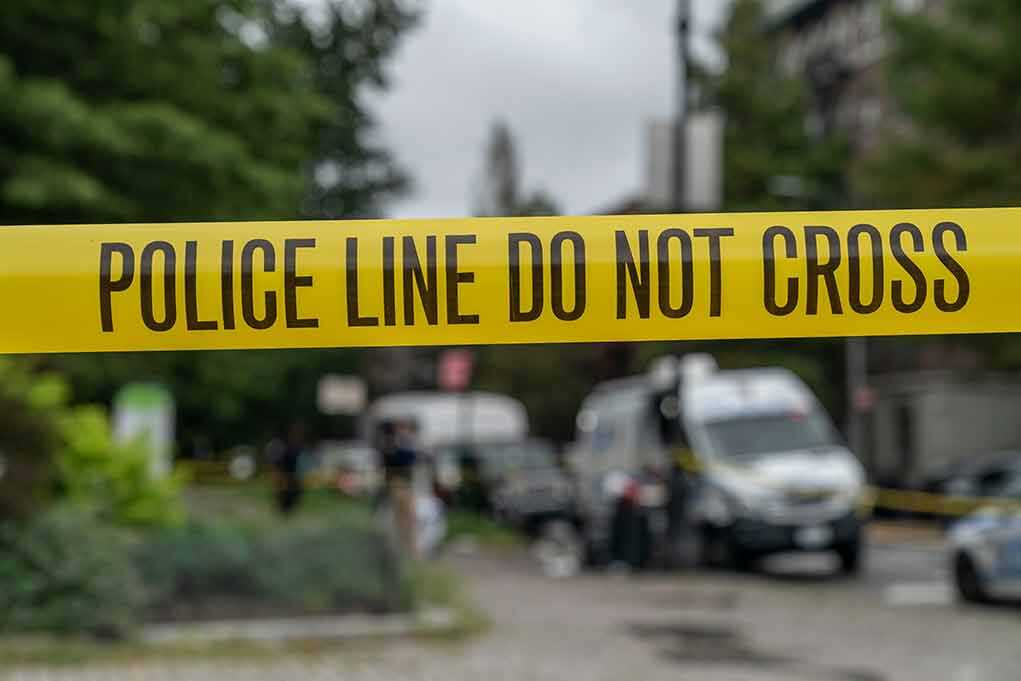
Two people died and three others were rushed to hospitals after suspected overdoses inside a single Oroville, California home, a stark sign of the drug crisis hitting American neighborhoods.
Story Highlights
- Police found five people in medical distress at an Oroville residence; two died on scene.
- Three survivors were hospitalized; two were listed as critical, one as stable at transport.
- Officers used Narcan and performed CPR before medics arrived, according to police.
- Investigators described the emergencies as suspected overdoses; the substance was not identified.
Police Response Confirmed Five Victims and Two Deaths
Oroville police said officers responded around 8:10 a.m. on November 21 to a home on a 100 block address after a report of multiple medical emergencies. Responders found five people in distress inside the residence. Two victims died at the scene. Three others were transported to area hospitals for treatment. A local report first detailed the call time, location block, and totals of victims discovered by officers who entered the home that morning.
A separate outlet, citing a police news release, reported that two of the hospitalized patients were in critical condition and one was in stable condition at the time of transport. That report matched the five-person total and the two fatalities. It also stated that officers administered Narcan and performed cardiopulmonary resuscitation while waiting for medical crews, describing active steps to revive victims during the chaotic scene inside the residence.
Officers Administered Narcan; Investigation Continues
Police described the events as suspected overdoses and said the case remains under investigation. The reports did not identify the substance involved. That means the exact cause of the two deaths was not yet confirmed through toxicology or a medical examiner at the time of reporting. The department’s language was careful and provisional, which is common when early facts are still being gathered and the goal is to protect evidence and next of kin.
Local coverage showed consistent numbers across outlets: five total victims, two deaths, three hospitalized. The most detailed summaries tied those facts to the Oroville Police Department’s account. Those same reports did not list names of the victims. They also did not include later updates from hospitals about the three who survived the initial event, beyond the conditions reported at transport that morning.
Location Details and Early Confusion Over Street Name
Initial stories placed the emergency on a 100 block address tied to Hammond Park Drive. Another report listed the location as the 100 block of Hammond Drive. That mismatch reflects the speed of early coverage and does not change the core facts of what responders found: five people in distress inside one home and a tragic loss of life on site. The shared core timeline and outcomes remained aligned across outlets.
Police-led summaries often anchor early public details after a chaotic response. Reporters noted an Oroville Police Department news release as the source for the most exact numbers and mention of Narcan and cardiopulmonary resuscitation. Those accounts gave enough specifics to describe what happened without naming the exact drug. The absence of a named substance is common before lab work and the coroner’s review confirm what caused the medical crises.
What This Means for Families and the Community
A cluster of suspected overdoses in one home raises alarms for parents, neighbors, and first responders. A single bad batch or a stronger dose can turn a living room into a mass-casualty scene in minutes. Police described it as suspected overdoses to avoid guessing on a cause. That careful wording matters, but the human cost is already clear. Two lives ended before medics could help, and three others needed urgent hospital care that morning.
Two dead in mass overdose in Oroville home https://t.co/drPwF9gMpY pic.twitter.com/C0WlGc3naq
— SFGATE (@SFGate) November 22, 2026
Families want simple steps to protect loved ones while police sort out the facts. Keep Narcan on hand if local law allows, learn basic cardiopulmonary resuscitation, and call 911 fast when breathing slows or stops. These actions buy time for medics. Officers in this case used Narcan and performed cardiopulmonary resuscitation, showing how quick action can save lives when seconds matter. The investigation will look for the source and whether a shared supply played a role.
Sources:
eastbaytimes.com, yahoo.com, hoodline.com, article.wn.com