
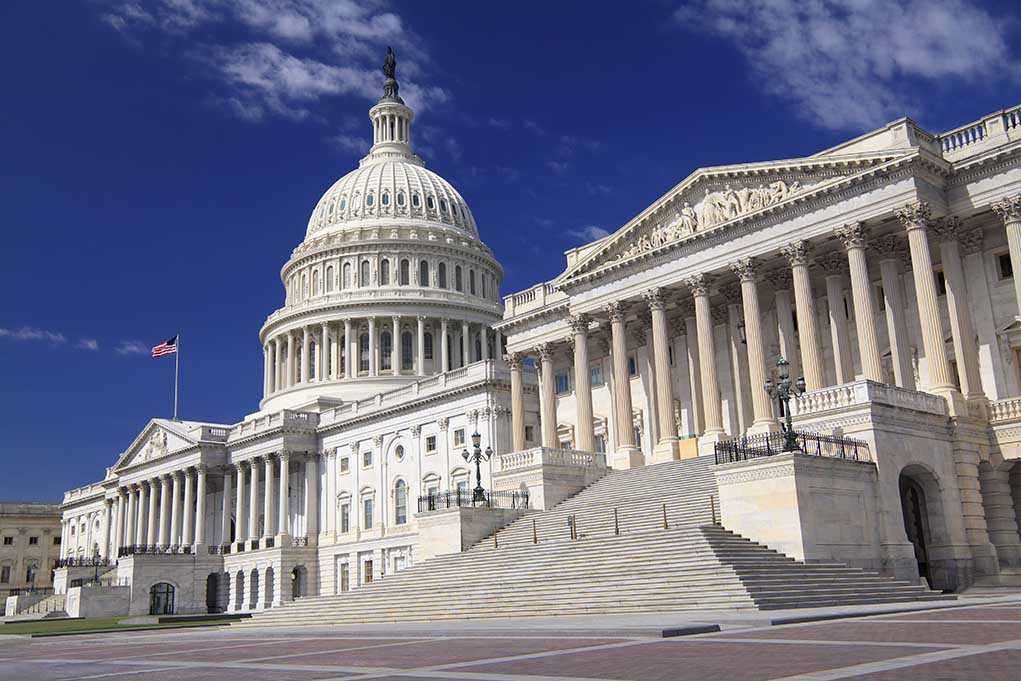
Legal scholar Jonathan Turley warned that a Democrat-run Congress will lean on investigations and impeachment because President Trump’s veto blocks their agenda.
Story Highlights
- Jonathan Turley predicted Democrats will pivot to probes and impeachment when reforms stall.
- Reports say Democrats plan aggressive oversight on Trump policies and alleged conflicts.
- Divided government historically spikes congressional investigations of the executive.
- Other reporting says Democrats may also chase policy wins through must-pass bills.
Turley’s Forecast: Investigations Will Fill a Policy Void
Constitutional law professor Jonathan Turley said Democrats will not have the votes to pass their most progressive reforms and will turn to investigations and possibly impeachment instead. He argued that President Trump holds the veto pen, which blocks a left-wing agenda that lacks bipartisan support. A contemporaneous clip and post captured the core claim, framing a coming “train wreck” if the activist wing pushes probes over policy deals.
Turley’s point hits a simple fact of power: a veto-proof majority is rare. When the House and Senate face that backstop, lawmakers who want headlines shift to hearings, subpoenas, and staff reports. Conservatives have seen this script before. Congress can burn time on theater while families still face high prices, energy costs, and an unsecured border. Turley’s warning tells readers to expect a flurry of oversight instead of help with bills or burdensome rules.
What Independent Reporting Says Democrats Plan Next
Foreign outlets and policy journals reported Democrats are gearing up oversight first. Coverage pointed to plans to target alleged corruption, conflicts of interest, and fights over national security decisions. Those reports match Turley’s forecast of an investigative tilt but stop short of saying Democrats will do nothing else. They also note internal tension between a progressive push and more measured leadership choices.
Politico reported Democrats could try to tuck policy demands into must-pass bills like budgets, defense authorizations, or the debt ceiling. That tactic forces negotiation but rarely delivers sweeping change without cross-party buy-in. It undercuts the absolute claim of “nothing but lawfare,” yet still implies a grind of brinkmanship and oversight will dominate the calendar. The result is pressure politics, not broad relief on costs, energy, or border security.
Why Divided Government Supercharges Oversight
Historical research shows Congress opens more investigations into the executive when different parties split control. Scholars tracked a long record of heightened probes during divided government, including the Trump years when House Democrats combined oversight with some legislation. That pattern supports Turley’s structural point: incentives make showdowns likely when a president can veto partisan bills and committees chase leverage through hearings.
This pattern matters for everyday Americans. Hearings do not lower gas prices, secure the border, or end wasteful spending. Oversight can be proper when grounded in evidence. But when it becomes a substitute for governing, families pay the price. Voters who backed Democrats for “affordability” may not get the relief they were promised if Congress spends its time chasing the White House instead of cutting red tape and boosting supply in energy and housing.
The Voter Mandate: Affordability Promises Meet Washington Reality
Several outlets said Democrats won by pledging lower costs and better affordability. Many voters reported worry about gas, groceries, and healthcare. Those concerns are real and pressing. If the new Congress moves first to investigations, voters could feel misled and frustrated by the lack of immediate relief. That is the core of Turley’s “buyer’s remorse” warning, though fast regret is a prediction, not yet proven by data.
The best test will be the first months of session: Which bills reach the floor? Which get bipartisan votes? Which, if any, reach President Trump’s desk and become law? If Democrats focus on probes while trying to jam policy into shutdown standoffs, expect deeper polarization and little help for families. If they work across the aisle on permitting, energy supply, and targeted tax relief, results can happen. Turley’s bet is the former. Voters will soon see which path wins.
Sources:
thegatewaypundit.com, politico.com, lemonde.fr, dailysignal.com, bbc.com