
A Texas Senate race within the margin of error will decide whether President Trump’s agenda gains a crucial Senate vote — or faces a roadblock in his second term.
Story Highlights
- Polls show Ken Paxton and James Talarico in a razor-thin race inside the margin of error
- Texas’s Republican lean and President Trump’s repeated visits boost Paxton’s path
- Record spending and wall-to-wall ads shape voter views without settling the contest
- Turnout, including suburban and Latino voters, may decide a race both sides can win
Texas Toss-Up With National Stakes
CBS News reports a statistical tie, with James Talarico at 51 percent and Ken Paxton at 49 percent among likely voters, a gap inside the survey’s margin of error. The poll sampled Texas voters in mid-October, and the outlet labels the race a toss-up. That means either party could gain or lose a Senate seat in a state long seen as Republican terrain. The result will affect judges, borders, energy, and spending fights in Washington this term.
Late polls and media snapshots echo the same picture: the race remains tight heading into Election Day. Coverage across Texas outlets and national press notes that both candidates face high name recognition, heavy advertising, and tough attacks. Analysts warn readers not to mistake a one- or two-point edge for a clear lead. Most polling shows a narrow Talarico advantage that still falls within error bands.
Republican Foundation And Trump Factor
Texas’s voting history gives Paxton a built-in floor. CBS News points to the state’s Republican tilt and says many back Paxton because he is the Republican nominee or because they oppose Talarico. The same report says President Trump campaigned in Texas three times and urged Republicans to vote like he was on the ballot. That message targets drop-off voters who might back Trump but skip a Senate race.
For conservatives focused on judges, border security, and energy jobs, the path is clear. A Republican win would strengthen President Trump’s hand on confirmations, regulations, and spending restraint. The party infrastructure is acting like it. Republican-aligned groups poured major funding into the race. CBS News reports hundreds of millions spent, with a large share backing Paxton and driving persuasion and turnout messages to core voters.
Money Floods The Airwaves, But Votes Decide
This has become the most expensive non-presidential contest on record, according to CBS News. Advertising has crossed the half-billion-dollar mark statewide. Republican groups have spent over two hundred seventy million dollars for Paxton in the general election. Despite this surge, polling averages still show a narrow Talarico edge late in October. That tells readers that messages are loud, but turnout and coalitions still rule close races.
Heavy spending cuts both ways. Big buys amplify policy contrasts and personal attacks. They also risk tiring voters who want results on inflation, the border, and public safety. Voters tell pollsters they know both men well. Yet the numbers have stayed tight for months. That pattern suggests the remaining prize is not persuasion, but mobilization. The side that gets their people to the polls likely wins by inches, not miles.
The Impeachment Shadow And What It Does Not Prove
The Texas Legislative Reference Library maintains official records from the 2023 impeachment process involving Ken Paxton. Those archives show the legislature created and compiled formal materials. The race’s coverage says this history remains a political headwind for Paxton. The supplied record here does not include underlying court outcomes on separate allegations beyond those materials. Voters are therefore weighing party control and issues alongside that public archive.
Elon Musk and Republicans call Social Security a Ponzi scheme. Why would they say that?
Elon Musk, Trump and other billionaires did not donate $573 MILLION to win the Senate seat for Ken Paxton because they fear Sharia law that does not exist anywhere in the country or boys in… https://t.co/RK1M9sPZz1
— VGKRaids (@VGKRaid9ers) November 3, 2026
Research on political scandals finds that controversies reduce support on average, but effects shrink when partisanship and policy stakes are strong. In polarized races, many voters still back the candidate who matches their policy goals, even if they hold doubts about character claims. That lens helps explain why a Republican in a Republican-leaning state can remain highly competitive despite months of negative coverage.
Turnout Math: Where The Race Will Tip
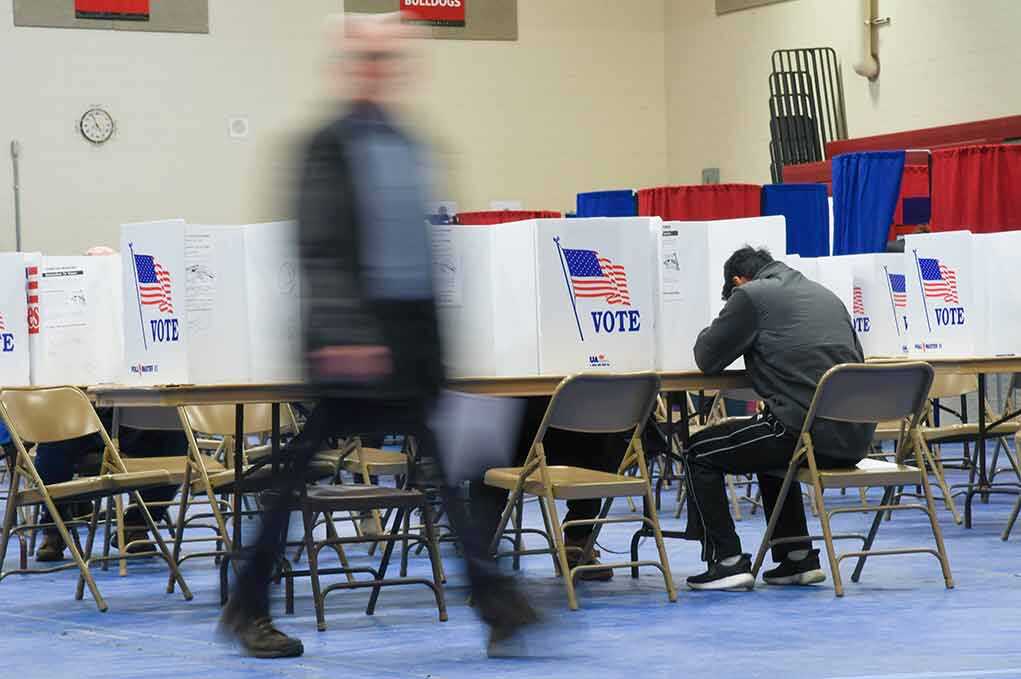
Reporters flag three swing zones: suburban corridors, Latino-heavy areas, and the share of presidential-year Republicans who fall off down-ballot. If President Trump’s rallies move those voters, Paxton can beat the polls. If Democrats spark higher Latino turnout and hold the suburbs, Talarico can edge out a win. With both candidates near fifty percent, small shifts matter. One good or bad Election Day hour in key counties could decide the seat.
What It Means For Conservative Priorities
A Paxton win would likely add a reliable vote for border enforcement, constitutional judges, domestic energy, and spending restraint. A Talarico win, based on his stated platform, would favor a larger federal role in health care, higher corporate taxes, and expanded social benefits. That path risks more spending, more regulation, and culture fights over life and family policy. Voters who want to protect gun rights, secure the border, and cut red tape have a clear choice.
Bottom Line
Texas has not gone blue in statewide races in decades, but this contest is close enough to flip on turnout. Polls call it a toss-up. Spending has set the stage. Now, disciplined voters will decide if President Trump gains a stronger Senate partner from Texas, or if Democrats notch a rare statewide win and a new vote for bigger government in Washington.
Sources:
youtube.com, cbsnews.com, khou.com