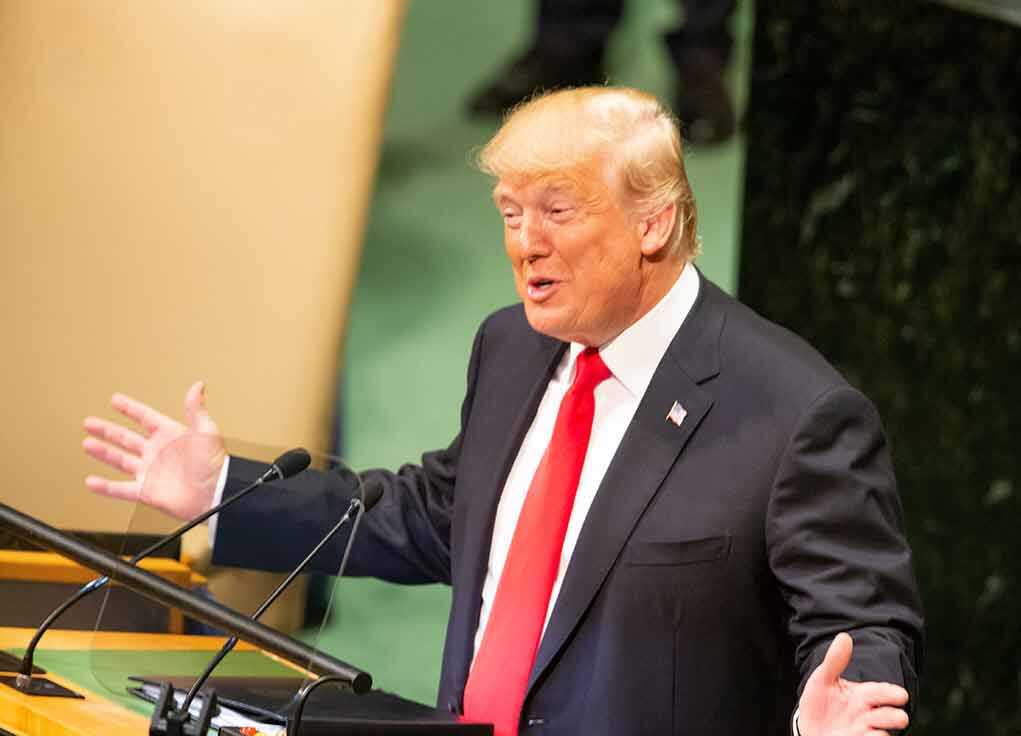
President Trump signed new executive orders, signaling swift action to secure the border and cut red tape as agencies move to implement his agenda.
Story Highlights
- The White House records show Trump’s steady stream of executive orders in 2025-2026.
- An official July 13, 2026 White House video documents a signing event.
- Independent legal and policy trackers corroborate multiple recent Trump orders.
- Executive orders remain a normal tool for presidents to direct agencies.
Official Record Shows Ongoing Executive-Order Activity
The White House presidential actions archive lists President Trump’s executive orders by date and number. The index shows a steady cadence in 2025 and 2026, confirming continued use of the tool to guide agencies and set priorities. This public ledger matters. It verifies that orders are not rumors or leaks but signed directives. Readers can check the list themselves. The page reflects actions on immigration, regulation, security, and the economy as they post through the year.
The president’s orders instruct departments to execute policy within the law. That includes directing enforcement at the border, cutting red tape, and defending American workers. Legal and policy trackers outside government, including major law firms and higher education groups, have compiled cross-references and summaries. Their lists align with the White House postings and help readers see the topics and timelines at a glance, which backs up the government record with outside confirmation.
White House Video Confirms A July 2026 Signing Event
The administration posted a video titled “President Trump Signs an Executive Order, Jul. 13, 2026,” which documents a real-time signing moment. That is contemporaneous proof of a signing session during this period, not just a later write-up. Video evidence matters when critics claim spin. It shows the president at the Resolute Desk carrying out a normal duty of office. The clip is a direct record from the White House media team and anchors the timeline.
Past reporting also shows that executive orders are a standard part of presidential governance. News outlets have tracked such orders for years, including during Trump’s first term, when several high-profile directives drew wide debate. That history shows the act of signing orders is routine, even when policy fights rage around them. Today’s events fit that pattern. The method is familiar, while the policy content drives the real disputes.
What The Orders Do And Why They Matter To Families
Executive orders tell agencies to act, fast. They can redirect resources to the southern border, end wasteful programs, or speed energy permits. They can also push agencies to safeguard free speech and parental rights where federal rules touch schools or grants. Supporters see this as common sense. They want secure borders, lower prices, and reliable energy. The orders set the course, while agencies write guidance and take enforcement steps in the weeks that follow.
Critics often call executive orders “overreach.” The facts show something simpler. Presidents in both parties use them to manage the executive branch. Courts can review them. Congress can pass laws to change course. In the meantime, clear direction from the top can stop woke mandates, curb globalist priorities, and shift focus back to American families and workers. That is why the pace and focus of orders draw attention and carry impact for daily life.
How To Track The Changes And Hold Agencies Accountable
Readers can follow two tracks to stay informed. First, check the White House executive orders page for the official text and dates. That confirms what was signed and when. Second, scan respected trackers that summarize topics and note implementation steps, which helps busy readers see what will change on the ground. When both align, you get clarity. If agencies stall, Congress and the courts remain tools to enforce limits and protect liberty.
Here’s a side thought. When’s the last time Trump criticize Congress for not codifying any of his executive orders that would make our nation safer? He knows the next liberal president will undo all those EO‘s 1st week in office like Biden did. Eliminated all border EOs😳 https://t.co/AO4CqAV6Kx
— John (@gua2tpa2024) August 3, 2026
Some details of any single Oval Office session, like the exact count of orders signed that day, may not appear in one place. The public record still shows a consistent flow of signed directives over 2025 and 2026, plus a dated July 2026 video of a signing event. Until agencies finish their follow-up, effects may roll out in stages. We will keep watch on border enforcement, energy approvals, and rule cuts that aim to lower costs and restore order.
Sources:
executiveorderdigest.com, nbcnews.com, hklaw.com, cnn.com