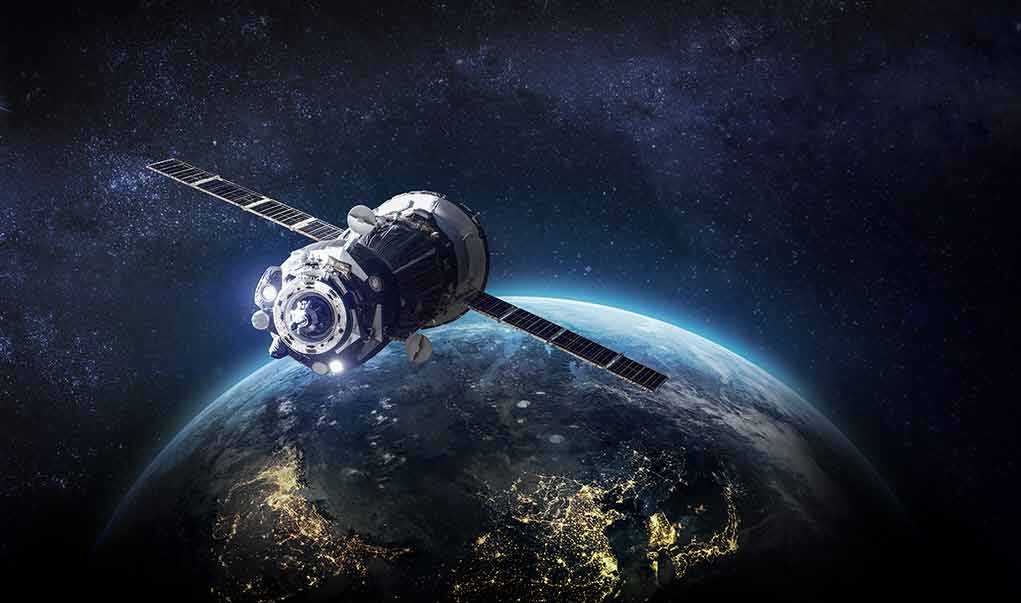
Europe’s Vega-C rocket launched two climate-monitoring satellites, adding new eyes in the sky to track Earth’s plants and oceans.
Story Highlights
- European Space Agency launched FLEX and Copernicus Sentinel-3C on Vega-C from French Guiana.
- Liftoff targeted 03:21 Central European Summer Time on September 15, with live coverage.
- Satellites will study plant health and ocean conditions to support agriculture and safety.
- Mission labeled Vega-C flight VV30 and managed by launch provider Avio.
Launch Facts: Who flew, what launched, and when
The European Space Agency launched two Earth observation satellites, FLEX and Copernicus Sentinel-3C, together on a Vega-C rocket from Europe’s Spaceport in French Guiana. The mission, designated Vega-C flight VV30, aimed for liftoff at 03:21 Central European Summer Time on September 15, with live coverage starting earlier that night. Agency notices and mission pages outline the joint payload, timing, and rocket details. Avio, the Italian builder and operator for Vega-C, identified the same timeline and payloads.
Avio described the flight as carrying Sentinel-3C for the European Commission’s Copernicus program and FLEX for the European Space Agency. The company set the same liftoff time and confirmed the mission number as VV30. The French space agency’s event listing also aligned with the late-night Kourou schedule window. These matching notices from the launcher, the agency, and the spaceport show a coordinated plan to place both satellites into a sun-synchronous orbit for global coverage.
What FLEX and Sentinel-3C will measure
FLEX, short for Fluorescence Explorer, will map plant fluorescence, a signal tied to photosynthesis and crop health. These maps can help farmers, foresters, and disaster planners spot stress from drought, heat, or disease earlier and act faster. Sentinel-3C will monitor oceans and the atmosphere, including sea surface height and temperature. That data supports weather forecasting, shipping safety, and fisheries management. Together, the sensors give a fuller picture of how land and sea respond to changing conditions.
Vega-C’s design supports dual launches like this one. The satellites rode inside the larger fairing using a secondary adapter called Vespa, which allows separate deployments. The European Space Agency notes that the rocket can send payloads of this class to the target orbit. The mission profile called for sequential separation so each spacecraft could reach its proper slot. This pairing improves launch efficiency and reduces cost per satellite by sharing the ride to space.
Why this matters to American readers
European agencies are investing to watch crops, coasts, and supply lines from orbit. That data can shape global markets, food prices, and rules that reach American producers. When Europe funds precision monitoring, it can push new standards on carbon credits or farm practices. American farmers and shippers will feel those moves. Clear, shared measurements can help honest players. But we should guard against top-down schemes that raise costs without real benefits or local input.
President Trump’s administration has pressed for secure supply chains, fair trade, and energy independence. Space-based tracking ties into all three. Ocean data steers commercial routes and storm prep. Plant health data flags stress that can hit yields and prices. The United States should keep pace with strong, efficient programs that support producers, not burdensome mandates. Smart use of open data can empower states, landowners, and families while avoiding heavy-handed global rules.
Launch cadence and Europe’s launcher strategy
Vega-C is Europe’s small-to-medium lift workhorse and has increased capability over prior Vega models. The launcher supports payload sharing and faster campaign flow, key for Europe’s civil missions. European notices point to this flight as part of a steady return to a regular launch rhythm after earlier setbacks across the continent’s launcher sector. The coordinated schedule, dual-payload setup, and clear mission roles all point to an effort to restore reliability and market confidence.
European Space Agency launches earth observation satellites into orbit https://t.co/q3XIG8jwyf
— Reuters (@Reuters) September 15, 2026
For American conservatives, the takeaway is simple. Allies are building tools to watch the world in real time. That can help food security and disaster response. It can also drive rules from abroad. The best path is leadership, not retreat. Support space innovation that strengthens our farms, energy, and industry. Demand transparency so data serves people, not bureaucracies. Use facts from the sky to cut waste, improve planning, and defend freedom at home.
Sources:
youtube.com, avio.com, esa.int, cnes.fr