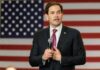

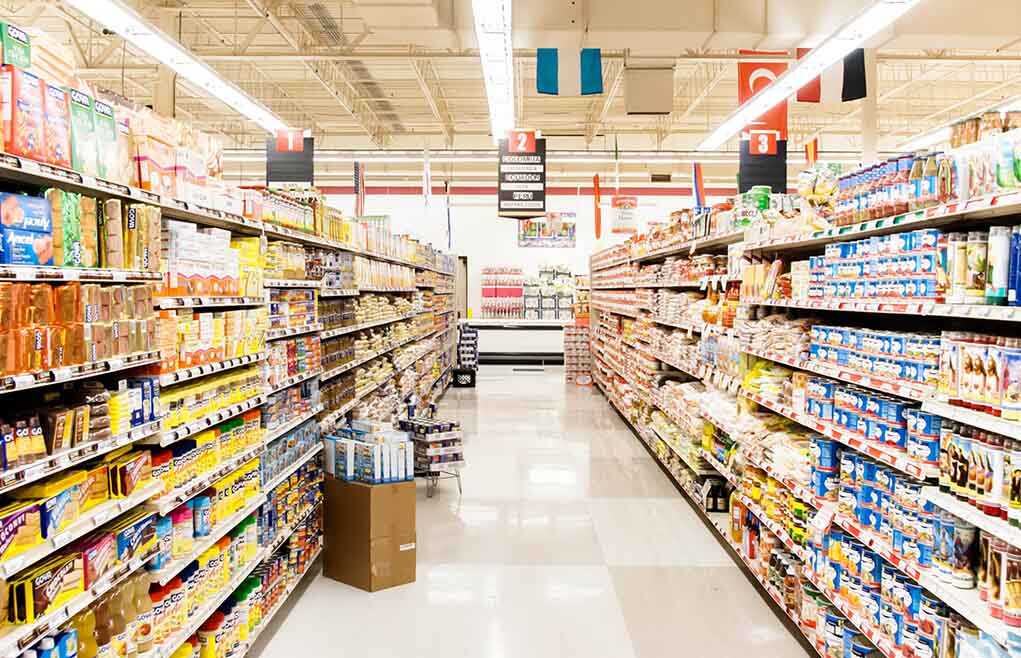
New York City’s hard-left Mayor Zohran Mamdani is using at least $70 million in taxpayer money to build “government grocery stores” that will undercut private grocers with prices up to 30% below normal retail.
Story Snapshot
- City-owned grocery stores will sell key food items about 30% cheaper than private stores, using public subsidies.
- Taxpayers will fund land, construction, rent, and tax breaks so government-backed stores can undercut neighborhood grocers.
- At least five stores are planned, one in each borough, with the first opening in the Bronx around 2027 and another in East Harlem by 2029.
- Critics warn this “socialist grocery” plan rigs the market against small businesses and risks turning into long-term, open-ended subsidies.
Mamdani’s Government Grocery Plan: What He Is Building
Mayor Zohran Mamdani has ordered New York City to build a network of city-owned grocery stores, one in each borough, as a core promise of his administration. The city will own the land and pay major overhead costs, including rent, construction, and property taxes, for all five locations. A private operator will run each store but must follow city rules that focus on keeping prices low instead of earning a profit. The program is being sold as a way to fight high food prices and “food deserts” in poorer neighborhoods.
Two sites are already named: a store at The Peninsula project in Hunts Point in the Bronx, and a large supermarket built from scratch at La Marqueta in East Harlem. City Hall says the first store in the Bronx should open toward the end of 2027, while the La Marqueta build is expected to cost around $30 million and open closer to 2029. Reports say the total capital budget for all five stores is about $70 million, paid by city taxpayers. Locations in Brooklyn, Queens, and Staten Island are still being studied and have not been locked in yet.
How the City Plans to Rig Grocery Prices Below Market
The mayor’s team says the whole point of public ownership is to strip out costs that regular stores must pay and pass those savings to shoppers. Because the city will cover rent, construction, and property taxes, the grocery operator can charge less while still staying afloat. Mamdani promises a fixed 30% discount on a “core basket” of everyday staples, including meat, seafood, dairy, bread, cheese, rice, beans, fruits, and vegetables, compared with typical retail prices in the city. City materials describe a once-a-month reset where those goods are priced 30% below regular store levels, with “no exceptions, no gimmicks.”
Importantly, this discount is not limited to low-income families, but is offered to every shopper who walks through the door. Officials admit other items will sell at normal market rates, but the city-backed discount basket will be the main draw that pulls people away from existing stores. The city is now picking private operators through a request-for-proposals process and will bind them by contract to maintain the 30% discount on the defined list of staples. Supporters claim this approach makes food more affordable and shows government “can be a force for good” by reshaping the local market.
Taxpayer Costs and the Threat to Small Grocers
For working families already hammered by high taxes, the scale of this experiment is alarming: reports from the mayor’s office, Reuters, and local media place the capital budget at about $70 million to launch the five stores, with La Marqueta alone carrying a roughly $30 million price tag. That investment does not yet include ongoing operating support like rent waivers and tax breaks that will continue year after year. City officials admit that the stores will not include some services, such as hot food stations or full butcher counters, but they will still compete directly on core groceries where neighborhood bodegas and small supermarkets make thin margins.
NYC Mayor Zohran Mamdani stated a plan for 5 city-run grocery stores to sell a core basket of essentials at 30% below retail prices, projected to save residents $1,000 a yr. Announced alongside the NYCEDC, the initiative aims to combat rising living costs.pic.twitter.com/q1qbpojlHh https://t.co/osBrRcpONk
— 惣電通・アホカ・ハングレー@THE LORDS OF THE RINGS 🍉 (@FuckTokyo2021) July 29, 2026
Independent grocers and business voices warn this is unfair competition because private stores still have to pay rent, taxes, utilities, and full labor costs while the city-backed outlets do not. If government stores sell milk, eggs, meat, and fresh produce 30% cheaper across a wide area, then nearby bodegas and supermarkets can lose customers and may be forced to close. Critics also point out that the program has not been tested yet, so the promised savings and quality levels are only words on paper, not proven results. Any stock shortages, waste, or runaway subsidies will land directly on City Hall and on the wallets of taxpayers who never asked for government to run the grocery business.
Long Timelines, Big Risks, and National Stakes
The first store is not expected to open until late 2027, with full rollout by 2029, which means years of subsidies and political fights before any clear data on food prices or business impacts emerge. During that time, local opponents, including small-business groups and commentators, can organize resistance and press lawmakers to expand or copy the model, turning a pilot program into a permanent government presence in the retail sector. Analysts note that similar municipal grocery experiments in other places have seen mixed results and limited success, raising questions about whether long-term costs and logistics have been fully thought through.
For conservatives watching from across the country, Mamdani’s “socialist grocery” project is a textbook case of government overreach: politicians using taxpayer money to pick winners and losers in the marketplace and to push public ownership into everyday life. If this model spreads, it could threaten independent stores, weaken free enterprise, and move basic needs like food under direct political control. That makes New York’s experiment more than a local story; it is a warning sign for anyone who values limited government, fair competition, and the right to run a business without City Hall stacked against you.
Sources:
thegatewaypundit.com, nyc.gov, washingtontimes.com, youtube.com, yahoo.com, newsweek.com, bronx.news12.com, forbes.com, biz.chosun.com, facebook.com, nypost.com, supermarketnews.com, soyummy.com, cbsnews.com