

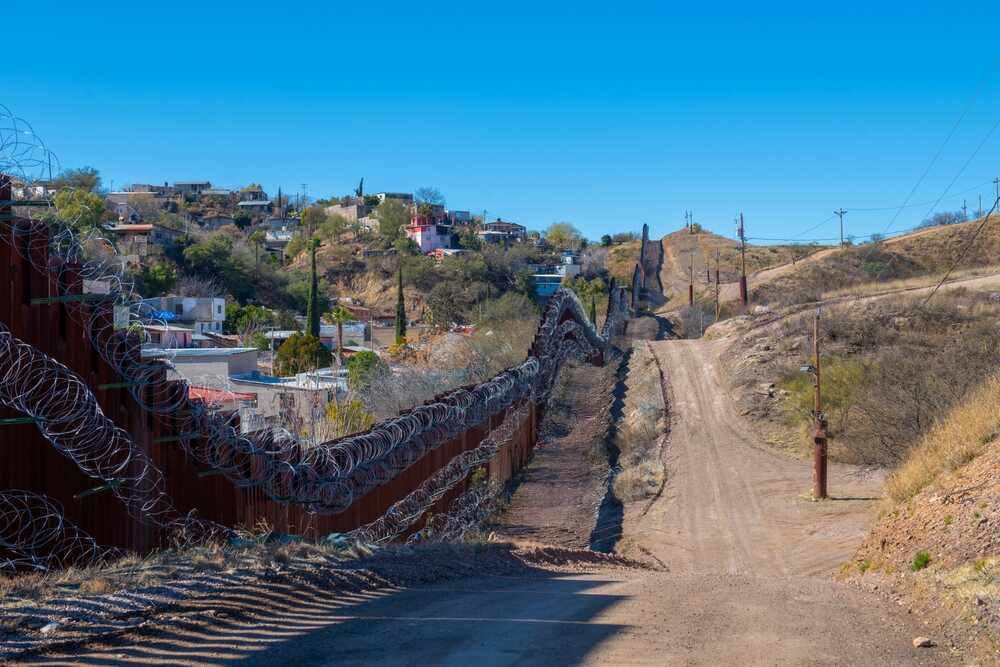
Texas ranchers along the Big Bend now face a brutal choice: sign away access for a border wall or watch Washington move to condemn generations-old family land.
Story Snapshot
- Federal border wall plans in remote West Texas put long‑held private ranches and farms under threat of condemnation if owners refuse access.[2][3]
- Customs and Border Protection letters push “right‑of‑entry” deals with small cash bonuses while warning holdouts they could face federal lawsuits and eminent domain.[2][6]
- Past border fence seizures show the government has used waivers, rushed appraisals, and sloppy surveys that left Texas families in years of legal limbo.[4][9]
- Texas law blocks state use of eminent domain for its own wall, but federal agencies still claim sweeping power to take land in the name of border security.[1][4][15]
Federal Pressure Puts Generations‑Old Texas Land on the Line
In far West Texas, families who have ranched along the Rio Grande for generations are opening their mail to find a stark demand from Washington: sign a federal access deal for border wall work or risk losing control of your land.[2][3] Customs and Border Protection has sent right‑of‑entry construction letters that dangle up to five thousand dollars if owners quickly agree to let surveyors and contractors onto their property.[2][6] The same letters warn that delay or refusal can trigger condemnation lawsuits and eminent domain seizures that few ordinary ranchers can afford to fight in federal court.[2][3]
This fight is not abstract paperwork for these Texans; it is about whether their cattle, water access, and family homes end up trapped behind a steel wall they did not ask for and do not control.[2][12] In many spots the legal border runs in the middle of the river, so any wall must sit inland on private ground, often carving off valuable acreage and cutting families from the very river that has sustained their work for decades.[14][16] For conservative landowners who value both strong borders and strong property rights, it feels like Washington is asking them to pick which constitutional protection they are willing to sacrifice this time.
How Washington Claims Power to Take Texas Land
The legal muscle behind these letters comes from a web of federal laws passed under both Republican and Democrat leadership, starting with the Illegal Immigration Reform and Immigrant Responsibility Act in nineteen ninety‑six and the Secure Fence Act in two thousand six.[3][15] Congress told the Department of Homeland Security to build hundreds of miles of border fencing and gave the secretary power to buy land or use condemnation if needed to control and guard the border.[1][3] Later changes even let the secretary waive “all legal requirements” that might slow construction, from environmental rules to some appraisal safeguards meant to protect landowners.[1][4][15]
On paper, the Fifth Amendment still says the government can only take private property for public use if it pays “just compensation.”[4][12] But past border fence rounds in South Texas show how easily that promise can break down in practice. One fact sheet found more than three hundred sixty eminent‑domain lawsuits filed after the Secure Fence Act, with sixty to seventy cases still unresolved more than a decade later because of fights over compensation.[4] Investigators also uncovered examples where Homeland Security misidentified owners, paid the wrong people, skipped full appraisals on many small parcels, and then forced families to spend their own money to fix federal mistakes.[4][9]
Texas Blocks State Seizures, but Federal Claims Remain
At the state level, Texas lawmakers heard the anger and moved to protect landowners from Austin’s own wall program. In twenty twenty‑one, the Legislature barred the state from using eminent domain to grab land for Governor Greg Abbott’s border wall, forcing officials to rely on voluntary easement contracts with one‑time payments.[4][5] That change has teeth: at least a third of landowners approached for the state wall have refused to sign, leaving gaps and pushing construction into more remote ranch land where people were willing to deal.[4][5]
Federal agencies, however, are not bound by that state‑level protection. Under federal eminent domain, the government can file a declaration of taking in United States District Court, claim the land is needed for public use, deposit what it calls fair market value, and secure possession as soon as a judge signs off.[4][14] Legal experts warn that once Washington decides to condemn, landowners usually cannot stop the taking and instead must focus on fighting for higher compensation, a process that can drag on for years while the wall goes up and families live with the damage.[4][14]
Errors, Waivers, and the Risk of Abuse in West Texas
Recent reports from the Big Bend region show why many West Texans do not trust promises that the system will treat them fairly this time. Some landowners say Army Corps of Engineers information packets included wrong survey lines and even incorrect ownership details, raising fears that the government is working from bad maps in a fast‑tracked push.[10] Others allege that contractors have bulldozed brush or cut paths before right‑of‑entry agreements were signed or condemnation orders issued, turning what should be a lawful process into something that feels like intimidation on the ground.[11]
In far West Texas, the threat of land seizures for a border wall has families on edge.
In the Big Bend region, where some families have lived for generations, government letters seeking access to their land is sparking fear and resistance. https://t.co/iM6GEXs14i
— Texas Tribune (@TexasTribune) June 16, 2026
At the same time, activists on the left are suing to stop construction in Big Bend, but their focus is different: they argue that national leaders abused waiver powers by setting aside dozens of environmental and cultural laws without fresh, clear approval from Congress.[2][6] For constitutional conservatives, the deeper concern is that decades of broad delegations and waivers have concentrated too much unchecked power in the hands of unelected officials. When the same bureaucracy that failed South Texas landowners in the last fence round now tells West Texas families to “trust the process” or risk losing everything, skepticism is not only understandable; it is healthy.
Sources:
[1] Web – Texas Landowners Face a Difficult Decision: Allow Border Wall or Lose …
[2] Web – DHS waives certain legal regulations to expedite border wall …
[3] Web – Lawsuit Challenges Big Bend Border Wall Construction
[4] Web – [PDF] obstructing human rights: the texas-mexico border wall
[5] Web – [PDF] Eminent Domain Along the Southern Border: Government Seizures …
[6] Web – Official Border Wall plans have been released for the Big Bend. If …
[9] Web – As landowners resist, Texas’ border wall is fragmented and built in …
[10] Web – Landowner resistance forces Texas to build wall in remote areas
[11] Web – Angry Texas landowners confront feds over sloppy border wall plans
[12] Web – Zapata County landowners say border wall contractors … – TPR
[14] Web – Texas Landowners Dig In to Fight Trump’s Border Wall – VOA
[15] Web – Texas landowners in the Big Bend region are fighting federal efforts …
[16] Web – Private Land Is Being Seized in Texas to Build the Border Wall