

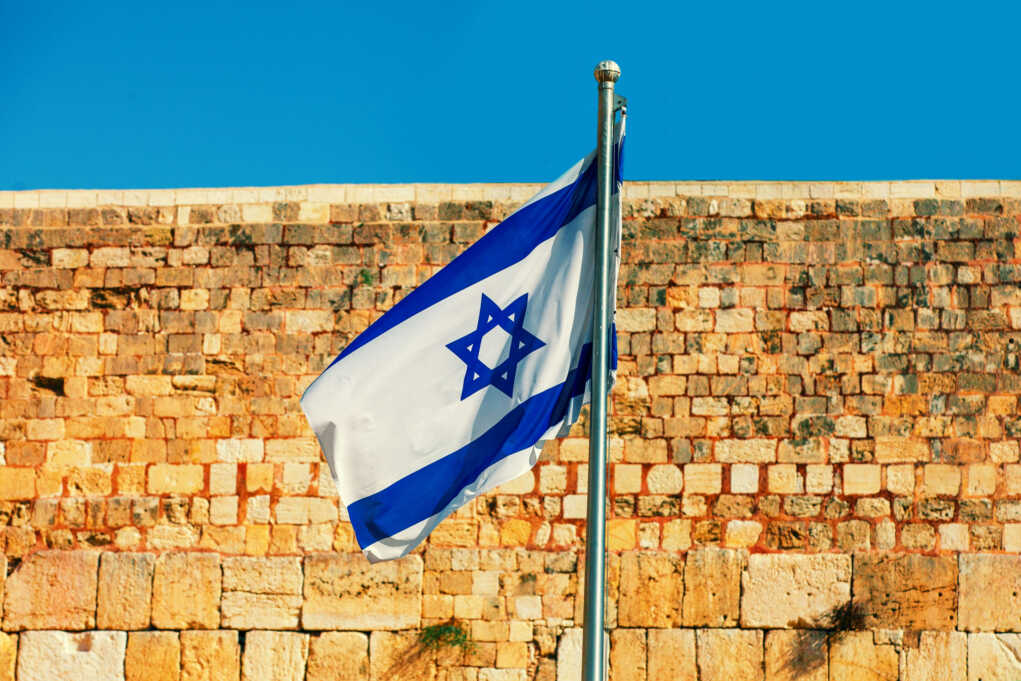
Israel’s Knesset just enacted a mandatory death penalty for terrorists targeting its existence, raising urgent questions for Trump supporters weary of endless foreign entanglements and unconditional aid to allies.
Story Highlights
- Israel passed the Death Penalty for Terrorists Law on March 30, 2026, by a 62-48 vote, mandating hanging for killers aiming to negate Israel’s existence.
- National Security Minister Itamar Ben-Gvir championed the measure as a deterrent, wearing a noose-shaped pin during the vote.
- Human rights groups like HRW and Amnesty condemn it as discriminatory, targeting Palestinians via military courts with 99% conviction rates.
- In Trump’s second term, MAGA voices question deeper U.S. involvement in Middle East conflicts amid promises to avoid new wars.
Legislative Passage and Key Provisions
Israel’s Knesset approved the Death Penalty for Terrorists Law on March 30, 2026, with a 62-48 majority after first reading on November 10, 2025, and committee approval on March 25. The law mandates death by hanging for terrorists who intentionally kill to negate Israel’s existence. It applies through civilian courts in Israel and East Jerusalem or military courts in the West Bank, with the Defense Minister selecting the venue. Appeals face strict limits, judicial discretion requires special reasons, pardons are banned, and executions must occur within 90 days. This marks a shift from Israel’s rare prior use of capital punishment, limited to two historical cases in 1948 and 1962.
Proponents Push Security Over Global Criticism
National Security Minister Itamar Ben-Gvir, leader of the Otzma Yehudit party, drove the bill forward, declaring every terrorist now knows Israel will take their life in response. Prime Minister Benjamin Netanyahu voted in favor, aligning with his coalition’s far-right priorities. Proponents argue it deters recidivist attackers, noting many released terrorists reoffend, especially after the October 7, 2023, assaults that intensified calls for tough measures. The law contrasts global trends toward abolishing the death penalty, prioritizing Israeli security amid West Bank and Gaza conflicts.
Human Rights Backlash Highlights Justice Concerns
Human Rights Watch called the law a discriminatory entrenchment of two-tiered justice, aiming to execute Palestinian detainees faster through military courts boasting 99% conviction rates. Amnesty International demanded repeal, labeling it a public display of cruelty that strips fair-trial safeguards and empowers apartheid-like systems. FIDH and Israeli international law scholars echoed violations of global standards, noting practical exemption for Israeli Jews. These groups wield global influence but lack direct enforcement against Israel’s Knesset majority.
For American conservatives, this development tests loyalties. Trump’s America First doctrine ended eight wars, yet MAGA divides grow over Israel aid and Iran risks, with frustrations mounting over high energy costs and broken pledges to shun regime-change adventures. Unchecked support risks pulling U.S. resources into another quagmire, eroding promises of peace through strength at home.
Implications for U.S. Foreign Policy Alignment
The law took effect immediately, with no executions reported as of March 31, 2026, though a related Tribunals’ Law for October 7 cases advances. Short-term, it enables swift penalties; long-term, it risks international isolation, boycotts, and heightened tensions. For Trump’s administration, navigating Israel’s bold security moves demands balance—backing a key ally without entangling America in endless Middle East strife. Conservatives value deterrence against terror but prioritize constitutional limits on overreach and fiscal restraint over foreign judicial experiments.
Sources:
Israel: Discriminatory Death Penalty Bill Passes
Israel: FIDH condemns Knesset approval of capital punishment for
Israel/OPT: Newly adopted death penalty law must be repealed
Israeli international law scholars: death penalty
Israel: Knesset approves death penalty for terrorists