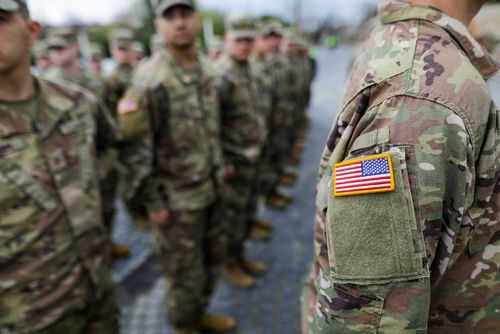
U.S. Special Forces are back in the fight in Ecuador—raising a hard question for Trump voters: is this targeted counter-cartel support, or the first step toward another open-ended foreign entanglement?
Quick Take
- SOUTHCOM says U.S. and Ecuadorian forces launched joint operations March 3 targeting “narco-terrorists” tied to cocaine trafficking networks.
- U.S. support includes intelligence, ISR, planning, targeting, and logistics—an escalation not publicly confirmed at this level since Ecuador’s Manta base closed in 2009.
- A March 6 targeted strike described as “lethal kinetic action” dismantled a supply complex at Ecuador’s request, with casualty details not released.
- The operations fall under “Operation Southern Spear,” part of a broader U.S. push against trafficking corridors in the Eastern Pacific and Caribbean.
What SOUTHCOM Says Happened—and What’s New This Time
U.S. Southern Command announced that coordinated operations with Ecuador began March 3, pairing U.S. forces with Ecuadorian special operations units against groups identified as Los Choneros and Los Lobos. Official statements emphasize Ecuadorian leadership with U.S. enabling support—intelligence, surveillance, reconnaissance, planning, targeting, and logistics. The most notable change is the public confirmation of U.S. Special Forces advising and supporting nationwide raids, a marked escalation compared with the post-2009 posture after the Manta facility closed.
U.S. commanders and special operations leadership traveled to Ecuador March 1–2 for meetings with Ecuadorian national security officials and to observe joint training focused on jungle warfare, reconnaissance, riverine operations, and small-unit patrolling. The reporting indicates participation from 7th Special Forces Group and the 20th Special Forces Group of the National Guard. Those details matter because they show the mission is not limited to classroom training, but integrated with operational preparation for active raids.
The March 6 Strike: “Lethal Kinetic Action,” Limited Public Details
On March 6, U.S. and Ecuadorian forces carried out a targeted strike described as “lethal kinetic action” that dismantled a narco-terrorist supply complex, according to U.S. statements and reporting. Officials said the action occurred at Ecuador’s request, while key specifics remain undisclosed—including location details, casualty figures, and the full scope of damage. That lack of transparency may be operationally necessary, but it also makes independent assessment difficult for Americans wary of mission creep.
Reuters reporting cited Ecuador’s defense minister describing an “offensive operation” conducted with U.S. support, while also indicating some details are classified. Separate reporting described helicopter assaults as part of the raid series around the launch of operations. Taken together, the public record supports the core facts—joint action, real-time operational support, and at least one acknowledged kinetic strike—while leaving unanswered questions about rules of engagement, duration, and what metrics will determine mission success or an orderly drawdown.
Why Ecuador Became a Frontline—and How Cartels Fit In
Ecuador’s role has grown from a regional transit point into a major Pacific export corridor for cocaine sourced from Colombia and Peru, according to the background summarized in the research and referenced reporting. U.S. and partner governments describe Los Choneros and Los Lobos as central nodes in the violence and corruption surrounding the port economy, with ties to Mexico’s Sinaloa cartel and CJNG. SOUTHCOM frames the campaign as targeting transnational “narco-terrorism” threatening stability across the hemisphere.
The administration’s approach connects Ecuador operations to “Operation Southern Spear,” an expanded effort since 2025 emphasizing maritime interdictions and pressure on trafficking routes in the Eastern Pacific and Caribbean. That strategic framing is intended to show this is not a standalone intervention, but one piece of a broader plan to disrupt networks moving drugs north. For U.S. communities crushed by fentanyl and cartel-linked violence, the logic is clear: hitting supply chains abroad can reduce harm at home.
The Conservative Dilemma: Border Security Logic vs. Endless-War Anxiety
Trump’s second-term administration now owns the consequences of any overseas escalation, and that reality is colliding with a conservative base exhausted by decades of “forever war” logic. Official messaging stresses partnership and limited U.S. roles, but the mission already includes kinetic action and advisory support to raids—exactly the kind of incremental expansion that has historically blurred lines between assistance and direct involvement. The research provides no public end date, troop numbers, or clear conditions for concluding operations.
For MAGA-leaning voters already divided over U.S. involvement abroad—especially amid separate debates about Iran and continued support for Israel—the Ecuador deployment underscores a broader trust issue: promises to avoid new wars versus the reality of a federal national security apparatus that defaults to overseas operations. The constitutional concern for many conservatives is not whether cartels are dangerous—they are—but whether the public is getting clear, accountable limits on missions carried out in its name.
Sources:
https://sof.news/sof/sof-in-ecuador/
https://www.foxnews.com/us/us-military-carries-targeted-strike-narco-terrorist-network-ecuador