America’s astronauts race toward the Moon on Artemis II, reigniting national pride in space leadership under President Trump’s second term while billions in spending fuel debates on fiscal priorities.
Story Highlights
- Artemis II crew surpasses 100,000 miles from Earth by flight day 3, on track for lunar flyby after flawless launch on April 1, 2026.
- Commander Reid Wiseman captures stunning Earth photos, showcasing Orion’s deep-space capabilities for the first time with humans aboard.
- Mission validates SLS rocket and Orion spacecraft, paving path for Artemis III lunar landing in 2027 amid U.S. competition with China.
- Historic crew includes first woman, first person of color, and first non-U.S. astronaut on lunar trajectory, boosting jobs in key states.
- Systems perform beyond expectations, skipping burns and resolving minor issues, signaling reliable American engineering.
Mission Launch and Rapid Progress
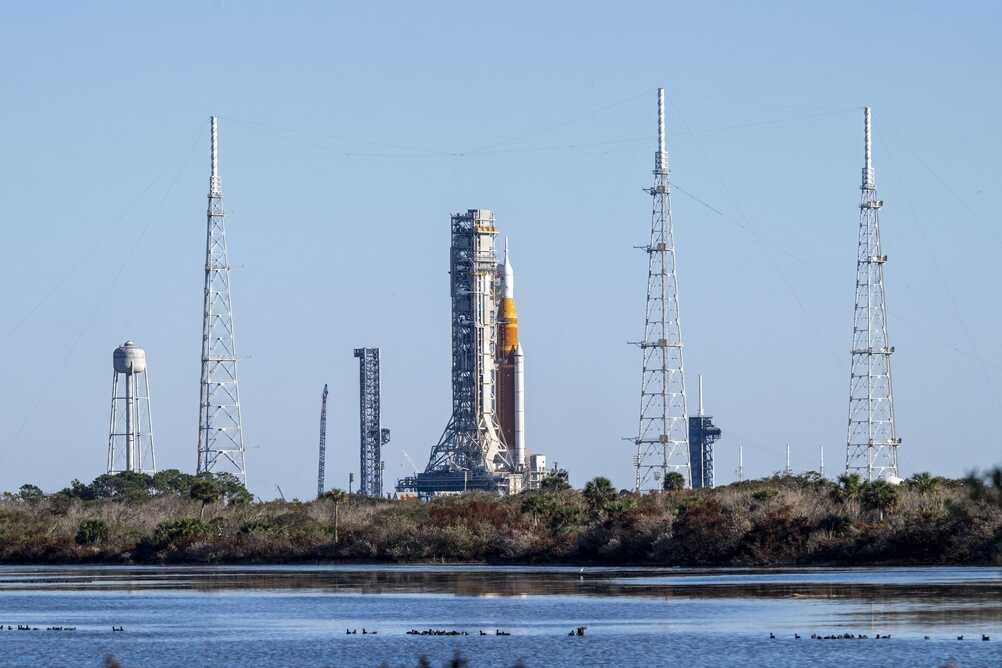
NASA launched the Artemis II crew from Kennedy Space Center on April 1, 2026, at 6:35 p.m. EDT aboard the Space Launch System rocket and Orion spacecraft. Commander Reid Wiseman, Pilot Victor Glover, Mission Specialist Christina Koch, and Canadian Space Agency astronaut Jeremy Hansen began their 10-day free-return trajectory. Four hours post-launch, the crew executed the perigee raise burn. On flight day 2, April 2, the trans-lunar injection burn committed Orion to the lunar path, marking the first humans beyond low Earth orbit since Apollo 17 in 1972.
Stunning Imagery and Crew Status
By flight day 3 on April 3, the crew reached approximately 100,000 miles from Earth, with 150,000 miles remaining to the Moon. Wiseman photographed a backlit Earth displaying auroras and zodiacal light, plus Earth’s terminator line after TLI. NASA shared these images during a press conference. Flight controllers skipped the first trajectory correction burn due to precise performance, deferring it to April 4. Crew morale stays high; they conducted window inspections, medical checks, suit tests, and family calls while resolving minor issues like the toilet.
Historic Firsts and Technical Achievements
Artemis II represents the first crewed Orion flight following the successful uncrewed Artemis I in 2022. The diverse crew achieves milestones: Koch as the first woman, Glover as the first person of color, and Hansen as the first non-U.S. astronaut on a lunar mission. This free-return trajectory avoids lunar orbit, differing from Apollo precedents, with closest approach estimated at 4,000-6,000 miles on flight day 6. Modern technology reduces risks compared to Apollo eras, as ground teams at Johnson Space Center oversee operations.
Systems exceed expectations, with NASA officials Lakiesha Hawkins and Judd Frieling confirming strong performance. The crew practices lunar flyby rehearsals and observations, preparing for entry into lunar space on flight day 5.
Economic Boost and Strategic Implications
The mission, costing over $4 billion, generates thousands of jobs in Florida and Alabama, supporting Trump’s America First agenda through domestic industry revival. It counters China’s space advances, securing U.S. leadership for Mars missions in the 2030s and a lunar base. Short-term, it validates crewed SLS/Orion for Artemis III’s 2027 landing. Long-term, it fosters commercial partnerships like SpaceX Starship integration, emphasizing limited government investment yielding innovation over wasteful spending.
Conservatives celebrate this triumph of American exceptionalism, yet question if space ambitions align with reining in deficits from past mismanagement. President Trump’s administration now stewards federal spending; Artemis underscores efficient execution versus globalist excesses.
Sources:
Artemis II astronauts nearly halfway to the moon; NASA shares stunning photos from Orion spacecraft
Artemis 2 breakdown: What to expect from each day of NASA’s historic moon mission
NASA’s Artemis II Moon Mission Daily Agenda