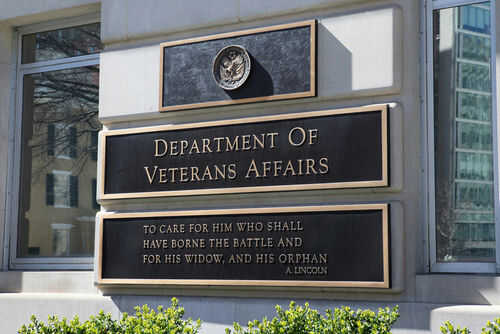
A “historic” 60‑bill veterans mega‑package is racing through Congress, and buried fights over costs and gun rights will decide whether it truly honors our warriors or sticks them with the tab.
Story Snapshot
- Congress rolled dozens of stalled veterans bills into one flagship package covering healthcare, housing, survivor benefits, and job training.
- The Senator Elizabeth Dole 21st Century Veterans Healthcare and Benefits Improvement Act is billed as a bipartisan, bicameral push to modernize care and cut red tape at the Department of Veterans Affairs (VA).
- Conservatives scored key wins on gun rights and home‑ and community‑based care, while some earlier House bills tried to fund benefits by raising VA home‑loan fees on veterans.
- The Trump administration must now guard against woke bureaucracy and bad offsets so veterans are helped, not hit with hidden costs.
What This Massive Veterans Package Actually Does
House and Senate leaders joined forces on the Senator Elizabeth Dole 21st Century Veterans Healthcare and Benefits Improvement Act, a flagship package that folds many separate veterans bills into one push to modernize care, benefits, and services at the Department of Veterans Affairs.[3] The bill aims to expand job training and employment support, address veteran homelessness, cut red tape in disability claims, and improve how quickly and fairly VA delivers care both inside its own system and out in the community.[3]
Core pieces of the package read like a wish list many veterans have waited on for years. The Elizabeth Dole Home Care Act would expand Home and Community‑Based Services at every VA medical center, so severely ill and aging veterans can stay at home instead of being pushed into institutions.[3] Other pieces would improve community care performance, raise grant and per‑diem rates for homeless providers, fund rides to medical and housing appointments, and ensure student veterans can actually use their GI Bill benefits without getting buried in paperwork.[2][3]
Key Wins for Veterans, Families, and Caregivers
One of the biggest shifts in this package is how it treats the people around the veteran, not just the veteran alone. The bill would require VA to offer alternative programs when families are pushed out of the main caregiver program, which currently provides financial support to family members who care for wounded veterans at home.[2] It would also create mental health grant programs for family caregivers, recognizing the real strain that comes with caring for a loved one who is disabled by service.[2][3]
For homeless veterans, the legislation revives authorities first used during the COVID public health emergency that were credited with reducing the number of veterans living on the streets.[2] Under those powers, VA can again provide free transportation to medical care, jobs, or recovery programs and pay higher per‑diem rates to groups that provide short‑term housing, including extra support in very high‑cost areas.[2][3] Add in job‑training extensions like the high‑tech Veteran Employment Through Technology Education Courses program, and the package tries to connect vets not just to benefits but to real careers.[2]
How Conservatives Shaped the Package
House Republicans, working with some Democrats, used this Congress to move a series of smaller veterans bills that later fed into the larger package.[4] Committee Chairman Mike Bost said the September 2025 bundle of 14 House‑passed bills was part of a larger effort to modernize benefits, expand access to care, and deliver on promises to veterans and their families.[4] Those measures covered healthcare access, women’s cancer care, digital upgrades, rural outreach, education, and protections for service members, laying the groundwork for today’s 60‑bill mega‑package.[4]
Republican leaders describe the Elizabeth Dole act as years of good‑faith work to reform VA, cut bureaucracy, and expand economic opportunity while holding the department accountable to taxpayers.[3][9] The package includes measures to protect veterans’ healthcare choice in the community, improve the speed and quality of disability exams by requiring standardized, machine‑readable reports, and boost local Veteran Service Organizations that help rural and Native American veterans navigate a complex system.[1][3][7] Under President Trump’s second term, that focus on choice, efficiency, and accountability fits squarely with conservative demands to fix VA without building a bigger woke bureaucracy.
Second Amendment and Appropriations: Quiet but Crucial Battles
Alongside the policy package, House Republicans advanced a separate but related win: the Veterans 2nd Amendment Protection Act.[2] That bill would ensure no VA employee can strip a veteran who has a financial fiduciary of their right to bear arms unless a judge first finds that person is a danger to themselves or others.[2] For gun‑rights supporters, this is a major due‑process protection and a direct response to fears that unelected officials could use mental‑health labels to erase constitutional rights.
Think about it: when we were all advocating for the #MajorRichardStarAct, we stood shoulder-to-shoulder as veterans for one cause.
Now, with this new 'Take Care of America’s Veterans Act,' Congress is essentially pitting #Veterans against veterans.
While there are many good,…
— David Warren | Veterans Policy (@DavidWarrenVet) June 11, 2026
Funding is where some past efforts have gone off the rails, and conservatives are right to stay alert. The Sharri Briley and Eric Edmundson Veterans Benefits Expansion Act, a House bill to raise compensation for catastrophically disabled veterans and increase payments to surviving spouses, drew fire because it tried to pay for benefits by raising VA home‑loan refinancing fees on many disabled veterans.[1][9] Analysts warned that a one‑percentage‑point fee hike could cost individual borrowers thousands of dollars over the life of a loan, turning a supposed win into a hidden tax on the very people it was meant to help.[1][9]
Will This Be a Real Win or Just More Washington Talk?
Veterans legislation has a long record of being one of the few areas where Congress still works across party lines, but “bipartisan” does not mean problem‑free. Studies show lawmakers with military experience are more effective and more willing to reach across the aisle, which helps explain why veterans committees can still move big packages through even in a polarized town. At the same time, advocates warn that VA sometimes fails to carry out Congress’s clear intent, especially on who qualifies for benefits, so follow‑through will matter as much as bill text.
For conservative readers, the stakes are clear. This mega‑package offers real gains in home care, survivor support, homelessness reduction, and job training, and it locks in gun‑rights protections and more choice in community care.[2][3] But every offset and every regulation written under Trump’s watch needs close scrutiny to make sure the swamp does not quietly shift costs onto veterans’ mortgages or resurrect the same bureaucratic delays that have plagued VA for decades.[1][3][9] Supporting the package while demanding clean funding and strict oversight is the path that both honors our veterans and guards the Constitution.
Sources:
[1] Web – Historic Veterans Package Rolls 60 Bills Into One Congressional Push …
[2] YouTube – PASSED!!! Senate Passage of Comprehensive Veterans Legislative …
[3] Web – Wide-Ranging Veterans Bill Gets Agreement Between House and …
[4] Web – Ranking Member Moran, VA Committee Leaders Unveil Bipartisan Veterans …
[7] Web – A Review of Congressional Bills for Military and Veterans – America’s …
[9] YouTube – I’m Tracking These HUGE Veteran Bills into 2026 – You Should Too