Amid a deadly Ebola flare-up in Congo, an American missionary doctor’s positive test and emergency evacuation expose gaps in transparency while testing U.S. readiness to protect citizens abroad and at home.
Story Snapshot
- American missionary surgeon Dr. Peter Stafford tested positive for Bundibugyo ebolavirus while serving patients in the Democratic Republic of Congo [3].
- Serge says Africa Centres for Disease Control and Prevention and the World Health Organization guided testing; U.S. agencies coordinated evacuation to specialized care [3][1].
- Broadcast outlets report other missionaries, including Stafford’s wife, are asymptomatic and in quarantine [2].
- Key medical documents and exposure specifics remain undisclosed, leaving unanswered questions about diagnostics and traceability [3][1][2].
Confirmed Diagnosis and Medical Evacuation
Serge, the missionary organization, publicly confirmed that American medical missionary Dr. Peter Stafford tested positive for the Bundibugyo ebolavirus after serving at Nyankunde Hospital near Bunia. The group stated he was safely evacuated and is receiving specialized medical treatment following symptom onset and a positive test result. The account ties his illness to occupational exposure during the outbreak and identifies a timeline from symptom development to confirmed diagnosis aligned with the organization’s internal reporting [3].
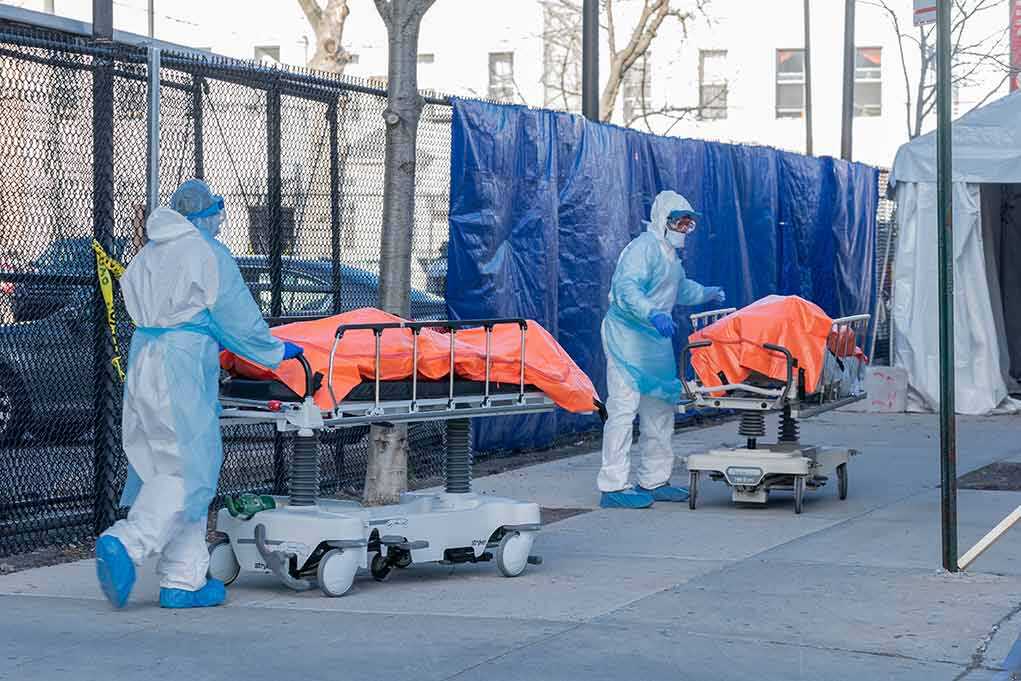
Television reports echoed the diagnosis and evacuation, stating that the Centers for Disease Control and Prevention (CDC) confirmed Stafford’s positive result and that U.S. agencies coordinated with the State Department to move him for advanced care in Europe. Coverage emphasized the rare Bundibugyo strain and the urgency of transferring him to a facility equipped for high-containment treatment, reflecting standard international outbreak protocols for American personnel overseas [1].
Exposure Setting and Mission Team Risk
Serge says Stafford was exposed while treating patients at Nyankunde Hospital, where he has served since 2023, situating the case squarely within a frontline care environment during an active outbreak. Broadcast summaries add that two other missionaries who were treating patients, including Stafford’s wife, remain asymptomatic and are in quarantine. Those details support a precautionary posture around close clinical contacts while underscoring the personal risks faith-based medical teams shoulder in crisis zones [3][2].
Additional reports identify Stafford as a U.S. doctor working in the Democratic Republic of Congo with a missionary group and testing positive after treating patients at a hospital. The repetition across outlets strengthens confidence in the core narrative of clinical exposure and timely evacuation, even as some transcripts contain minor naming inconsistencies. Despite such errors, the central facts remain consistent across multiple broadcasts regarding his role, location, and positive test [2].
Documentation Gaps and Accountability Questions
The public record provided to date does not include the underlying laboratory report, test platform, specimen date, or chain-of-custody documentation for Stafford’s positive result. Without those records, outside reviewers cannot independently verify assay methods, timing, or diagnostic certainty. Likewise, no exposure log, incident report, or contact-tracing line list has been released that would detail the precise moment, mechanism, or alternative exposure pathways beyond patient care inside the hospital setting [3].
🚨 First American tests positive for Ebola Bundibugyo in the DRC.
U.S. surgeon Dr. Peter Stafford, who was volunteering in Bunia, is symptomatic and is being medically airlifted to a specialized containment facility in Germany. Six high-risk contacts are also being evacuated to… pic.twitter.com/fE8FtkJpAt— Steve@Night (@STEVEPMP) May 20, 2026
Broadcast coverage mentions additional exposed Americans and quarantines, but it does not furnish a full roster, exposure dates, or risk classifications. That absence is not unusual early in outbreaks, when authorities prioritize speed and containment. Still, the lack of public documents invites reasonable requests for clarity from agencies coordinating the response. Obtaining CDC notifications, Africa public-health summaries, and receiving-hospital intake records would answer basic questions and reinforce confidence without compromising patient privacy [1][2].
What This Means for U.S. Readiness and Values
Federal coordination to evacuate and treat an American doctor is appropriate and necessary; citizens expect swift action when lives are at risk overseas. At the same time, conservatives insist on transparency and competence from institutions that often default to message control. Releasing de-identified testing details and contact-tracing summaries would demonstrate accountability, counter rumor, and respect the public’s right to know. Protecting medical missionaries also affirms faith, service, and community—values our readers hold dear [3].
Sources:
[1] YouTube – American doctor tests positive for Ebola in Africa
[2] YouTube – US missionary tests positive for Ebola as Australia weighs response
[3] Web – American Medical Missionary Safely Evacuated and … – Serge