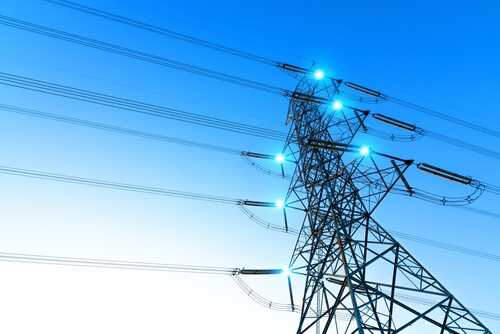
The U.S. power grid is a ticking time bomb, with vulnerabilities that could make it an irresistible target for Chinese cyber saboteurs.
At a Glance
- The U.S. electrical grid has become a prime target due to its technological vulnerabilities.
- Cyberattacks on utilities surged by 70% in 2024, exposing critical weaknesses.
- Foreign reliance on grid components raises concerns about embedded threats.
- Bipartisan legislation aims to bolster cyber threat defenses with a $50 million program.
The Digital Weakness of the U.S. Power Grid
The U.S. electrical grid, once a marvel of centralized control, now stands exposed due to its rapid digitization over the past two decades. This transformation, while streamlining operations, has inadvertently expanded the attack surface for cyber threats. The convergence of legacy hardware with cutting-edge software has opened the door to potential sabotage. As these systems become more interconnected, they become more vulnerable to sophisticated attacks, a fact not lost on foreign adversaries, particularly China, which has been reportedly studying U.S. grid vulnerabilities.
A preponderance of public information has focused attention on the glaring #US national security risk posed by the #UnitedStates’ own electrical grid, especially in the face of potential sabotage by communist #China. https://t.co/6echo7GmN6
— The Epoch Times – China Insider (@EpochTimesChina) July 22, 2025
The threat isn’t just theoretical. In 2023 alone, there were at least 175 recorded physical attacks or threats on grid infrastructure, highlighting how the grid’s vulnerabilities are being actively targeted. These incidents, coupled with a documented 1,162 cyberattacks on utilities in 2024, underscore an alarming escalation in threats. The grid’s integration of distributed energy resources, including renewables, adds another layer of complexity, making it even harder to secure the network. With many components sourced from abroad, particularly China, concerns about embedded backdoors or vulnerabilities are growing.
Watch: Cyber Attack: America’s Power Grid Vulnerable to Hackers!
Government and Industry Under Scrutiny
Federal agencies like the Department of Energy (DOE) and the Federal Energy Regulatory Commission (FERC) are at the forefront of efforts to safeguard the grid. However, despite existing regulatory standards, the rapid pace of technological change often leaves these guidelines lagging behind emerging threats. Bipartisan legislation introduced in June 2025 seeks to address these challenges by proposing a $50 million cyber threat analysis program managed by the DOE’s Office of Cybersecurity, Energy Security, and Emergency Response. The bill aims to enhance the resilience of the energy sector by focusing resources on identifying and neutralizing potential threats.
The Long Shadow of Cyber Threats
The implications of a potential cyberattack on the U.S. power grid are staggering. Short-term disruptions could cause localized outages and disrupt essential services, eroding public trust in the grid’s reliability. In the long term, a coordinated attack could lead to widespread blackouts, crippling critical infrastructure and posing significant national security risks.
As the nation grapples with these challenges, the role of foreign actors, particularly China, looms large. The supply chain for grid components remains heavily reliant on foreign manufacturers, raising the specter of embedded vulnerabilities. Furthermore, Chinese government-affiliated entities are alleged to be actively studying U.S. grid weaknesses, aiming to gain strategic leverage in the event of a conflict.