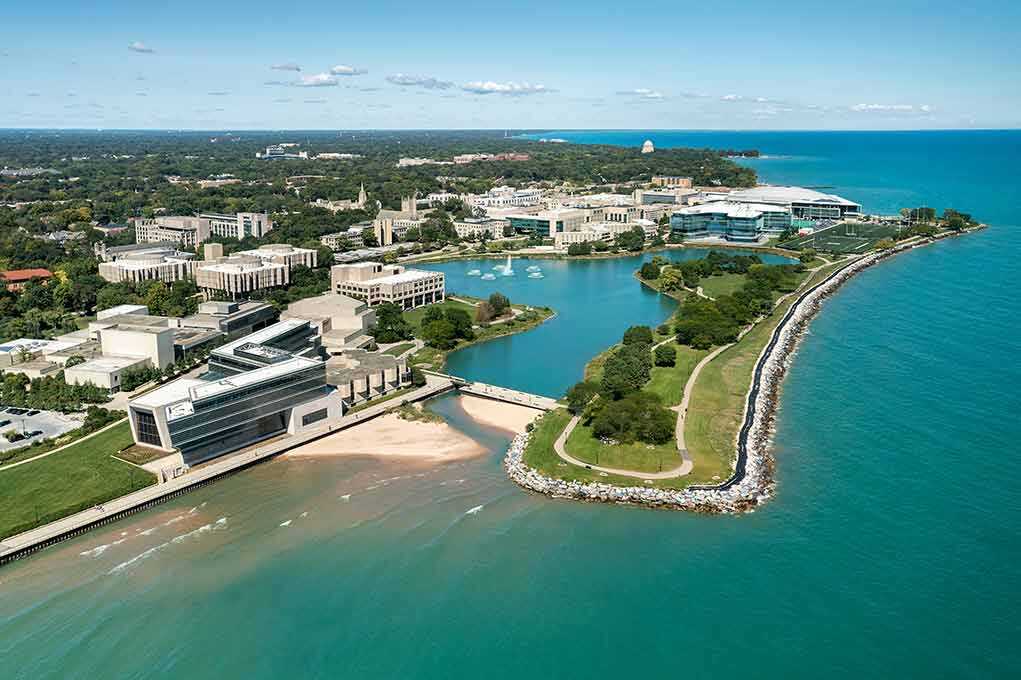
Millions of Americans now see “Lake America” on their maps after a White House order directed federal systems to drop “Lake Ontario.”
Story Highlights
- President Trump ordered federal agencies to use “Lake America” and update official records.
- Google Maps switched to “Lake America” for U.S. users after the federal database changed.
- Canada’s leaders reject the change and vow to keep calling it Lake Ontario.
- The rename applies to U.S. government use; private and foreign maps may differ.
Executive Order Directs Renaming Across Federal Systems
President Trump signed an executive order that tells the Secretary of the Interior, working with the United States Board on Geographic Names, to rename the Great Lake as “Lake America” in federal usage within 30 days. The order requires updates to the government’s Geographic Names Information System, which sets the standard for federal maps and documents. The instruction means federal agencies, charts, and databases will use “Lake America” for the lake that borders New York and Canada.
White House officials framed the move as honoring American history and signaling national pride during tense trade talks with Canada. The action sits within the legal authority to set naming for federal use, which experts have said a president can direct through the Interior Department and the Board on Geographic Names. The result is immediate consistency across U.S. government platforms, even if non-government and foreign systems choose different labels outside the United States.
Google Maps Follows Federal Standard for U.S. Users
Google stated it follows official government sources for U.S. geographic names and updated its maps to display “Lake America” for users in the United States after the federal database changed. Americans searching Google Maps now see “Lake America,” while users in Canada still see “Lake Ontario,” and some regions may show both names, reflecting local standards and jurisdictions. The change shows how a single official source can drive large, visible updates across private platforms.
Media reports note the switch is visible nationwide on phones and desktops, which is why so many users noticed it at once. The update underscores a broader pattern in mapmaking: platforms often align labels to each country’s official naming systems to avoid confusion and legal disputes. For Americans, that means the label “Lake America” will now appear widely in apps, navigation, and federal documents that pull from government-approved names.
Canadian Leaders Push Back but Cannot Bind U.S. Systems
Ontario Premier Doug Ford blasted the rename, calling it “absolutely backwards,” and said people will keep saying Lake Ontario. He posted signage reading, “Lake Ontario — Now and Always,” and predicted the world would ignore the change. Canada’s Prime Minister Mark Carney said Canadians know the lake is called Lake Ontario “today and forever,” a message aimed at public sentiment, not the U.S. federal process. These statements signal political pushback, not a legal bar to U.S. naming rules.
Commentators in American and Canadian media highlighted partisan shots and ridicule, but those remarks do not alter federal compliance in the United States. The practical effect remains clear: U.S. agencies and many U.S.-facing platforms will use “Lake America,” while Canadian and some international outlets will keep “Lake Ontario”. That split view is common in naming disputes where jurisdictions apply their own standards, and private platforms localize labels by user location.
What Changes Now for Maps, Agencies, and Travelers
Federal maps, databases, and services will reference “Lake America,” including future publications and digital products that rely on the Geographic Names Information System. Google’s move suggests other U.S.-focused platforms may update to match, especially those that already sync with federal naming data. Travelers, boaters, and businesses will likely see dual names depending on which side of the border and which app they use, a normal outcome when governments set different official terms.
@Apple @google it is Lake Ontario. We will no longer use your maps until you stop kowtowing to this train wreck of a president. #LakeOntarioForever
— Joan Welsch ☮️🗽 (@joan_welsch) September 2, 2026
For conservative readers, the bottom line is straightforward: the United States is asserting its own naming standard inside its systems and on American-facing tools. That is a lawful exercise of national authority, and it sends a patriotic signal without adding cost or red tape to daily life. Canada’s leaders can disagree, but they do not control how the U.S. government names features on its own maps and records. Americans will now see “Lake America.”
Sources:
facebook.com, cnn.com, blog.google, politico.com, abcnews.com, theguardian.com, bbc.com, wsj.com