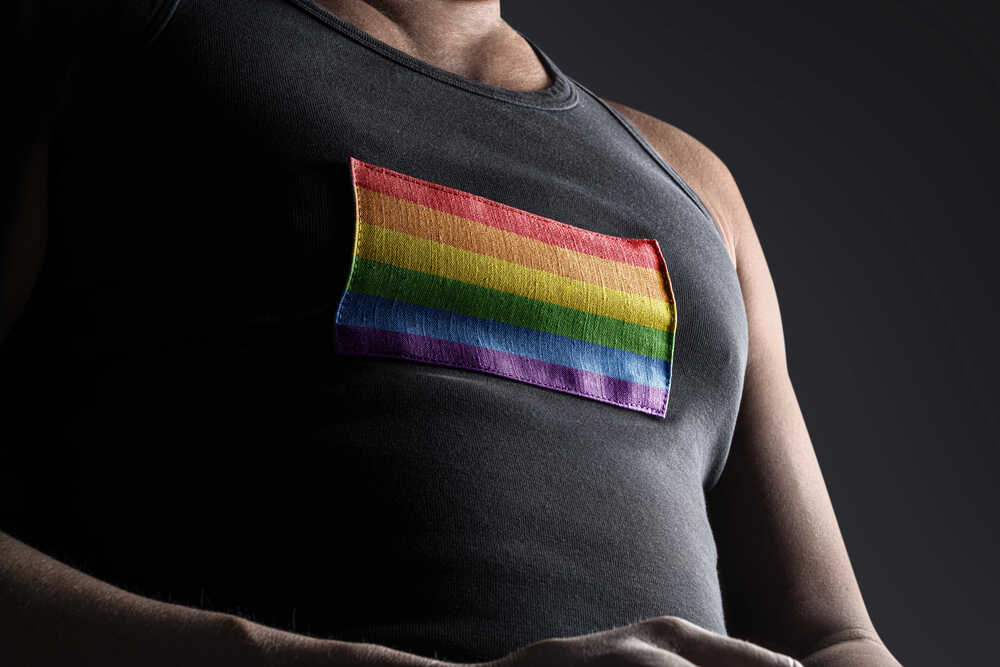
Supreme Court justices today confront a pivotal battle to protect women’s sports from biological males, upholding fairness for female athletes nationwide.
Story Highlights
- The Supreme Court hears oral arguments in Idaho and West Virginia cases challenging lower court blocks on transgender athlete bans.
- States defend laws ensuring girls’ teams remain for biological females, citing safety and fairness amid male physiological advantages.
- Trump’s February 2025 executive order defunds programs allowing males in women’s sports, backing state efforts.
- 69% of Americans support limiting transgender girls to boys’ teams, aligning with public demand for common-sense protections.
Landmark Cases Reach Supreme Court
Idaho’s Fairness in Women’s Sports Act (HB 500), enacted in 2020, bars transgender girls from girls’ teams based on biological sex. A federal district court issued an injunction in 2023, upheld by the 9th Circuit, claiming discrimination on sex and transgender status. West Virginia’s 2020 law similarly prohibits males identifying as girls from competing against females. The district court ruled for plaintiff B.P.J., a transgender middle schooler, but the 4th Circuit found a Title IX violation. States petitioned the Supreme Court in July 2024; certiorari granted in June 2025 sets oral arguments for January 13, 2026.
States Defend Biological Fairness
West Virginia Attorney General John McCuskey argues teams must delineate by birth sex characteristics to preserve fairness and safety for cisgender girls. Idaho officials echo this, highlighting immutable biological differences like strength advantages from male puberty, even post-testosterone suppression. Plaintiffs Lindsay Hecox in Idaho and B.P.J. (Pepper-Jackson) in West Virginia, both on puberty blockers and claiming no advantages, seek inclusion under gender identity. These cases mark the Court’s first merits review of such bans, affecting 27 similar state laws.
Lower courts split: the 9th Circuit deemed Idaho’s law discriminatory for requiring invasive verification; the 4th Circuit rejected boys’ teams as a viable option for transgender girls. Justices Alito and Thomas dissented in 2024 against denying West Virginia’s stay, warning against lightly blocking state protections. Public opinion strongly favors states, with a June 2025 Gallup poll showing 69% support for transgender girls competing only on boys’ teams.
Trump Administration Bolsters Protections
President Trump’s February 2025 executive order rescinds federal funds for programs permitting transgender girls in women’s sports, reinforcing state bans. This aligns with actions by the U.S. Olympic Committee and NCAA, which prohibit such participation. The order counters Biden-era policies, prioritizing American girls’ opportunities in athletics. Amid a conservative Court majority, recent rulings like upholding Tennessee’s gender-affirming care ban for minors grant states leeway on scientific uncertainties in sex-based policies.
The cases stem from post-2020 Bostock v. Clayton County, where the Court extended Title VII sex discrimination to gender identity. Plaintiffs extend this to Title IX, but experts note Bostock does not automatically apply to sports contexts. States emphasize pre-puberty male advantages persist, challenging activist court blocks that erode Title IX’s original intent to protect female athletes.
Implications for Women’s Sports and Families
A Supreme Court ruling reinstating bans would immediately affect Idaho and West Virginia, enabling enforcement and safeguarding thousands of cisgender female athletes. Long-term, it sets precedent for 27 states, potentially redefining Title IX around biological sex over identity. Transgender teens, estimated at 122,000 in high school sports, face exclusion from girls’ teams, but gain access to boys’. This upholds family values by protecting daughters’ fair competition against stronger males.
Watch:
Socially, the decision heightens culture war tensions but reflects majority sentiment against woke overreach in sports. Politically, it affirms states’ rights against federal civil rights expansions that undermine traditional principles. Litigation costs burden schools, yet common sense demands preserving women’s categories amid disputed testing feasibility. Conservative justices hold key influence, promising victory for liberty and fairness.
Sources:
Transgender athlete bans get Supreme Court review in landmark case
The transgender athlete cases: An explainer
US Supreme Court to hear transgender athletes cases
School sports case reaches the Supreme Court
Trans rights at the Supreme Court 2026