

Saudi Crown Prince Mohammed bin Salman is pressuring the Trump administration to maintain aggressive military strikes against Iran-backed Houthis in Yemen, raising concerns about America’s entanglement in yet another Middle Eastern conflict that serves foreign interests over American security.
Story Overview
- MBS continues lobbying for sustained U.S. bombing campaigns against Houthi targets in Yemen despite mounting civilian casualties
- U.S. forces have conducted over 500 sorties since December 2023, with 20+ strikes in March 2026 alone targeting Houthi infrastructure
- The conflict threatens vital Red Sea shipping routes carrying 15% of global trade through the Bab al-Mandeb Strait
- Iranian-backed Houthis have attacked over 50 vessels, causing $200 billion in annual trade delays and shipping insurance costs to spike twentyfold
Saudi Arabia’s Push for Continued Military Action
Mohammed bin Salman has made sustained military pressure against the Houthis a cornerstone of his diplomatic engagement with Washington. During a February 2026 meeting with Secretary of State Blinken, the Saudi Crown Prince explicitly urged against pausing operations, arguing that only continuous strikes can neutralize the Iranian-backed threat to regional stability. MBS framed the Houthi insurgency as an existential challenge to Saudi border security and his ambitious Vision 2030 economic transformation plan. His position reflects a calculated effort to leverage repaired U.S.-Saudi relations, rebuilt after post-Khashoggi tensions through pragmatic OPEC agreements and the 2023 Jeddah summit.
America’s Costly Involvement in Yemen’s Proxy War
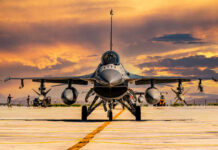
The Trump administration inherited Operation Prosperity Guardian from Biden, with Pentagon operations targeting Houthi radar installations, drone sites, and weapons depots across Yemen. Since December 2023, U.S. Central Command has executed hundreds of strikes while maintaining that operations protect critical shipping lanes threatened by Houthi attacks launched in solidarity with Gaza. This marks a departure from 2015-2022 dynamics when America provided only logistical support to the Saudi-led coalition. The current focus on Red Sea security positions U.S. forces as primary combatants in what amounts to a proxy conflict against Iran, raising questions about congressional war powers and the wisdom of endless Middle Eastern entanglements that conservatives have long opposed.
The Iranian Connection and Regional Power Dynamics
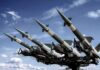
The Houthis, formally known as Ansar Allah, receive an estimated $80-200 million annually in Iranian military aid, including advanced drones and missile systems used to strike commercial vessels. Iran’s support transforms Yemen into another front in its regional competition with Saudi Arabia and the United States, exploiting the 2014 civil war that began when Houthis seized the capital Sana’a. This asymmetric warfare strategy allows Tehran to threaten vital chokepoints without direct confrontation, while the Zaidi Shia militant group demonstrates resilience through underground networks that complicate strike effectiveness. Despite U.S. claims of hitting 400 targets, Houthis continue operations and vow retaliation, illustrating the limitations of airpower alone in achieving strategic victory against decentralized insurgent forces.
Humanitarian Crisis and Strategic Questions
The Yemen conflict has claimed approximately 377,000 lives since 2014, with U.S. strikes from 2023-2026 contributing an estimated 200 civilian deaths according to monitoring groups. Yemen’s economy has contracted 60% since 2015, leaving 17 million people food-insecure and 4.5 million displaced. While Red Sea traffic has recovered to 70% of normal levels, truce talks in Oman remain stalled as of March 2026. Conservative principles favor protecting American interests and securing freedom of navigation, but question whether sustained bombing serves U.S. strategic goals or primarily benefits Saudi regional ambitions. The risk of prolonging Yemen’s humanitarian catastrophe while strengthening Iran’s narrative as defender of oppressed populations deserves serious scrutiny from an America First perspective that prioritizes domestic security over foreign entanglements.
Trump Administration’s Balancing Act
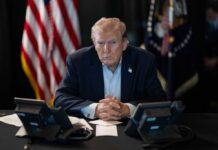
Despite hints at de-escalation, President Trump has maintained strike authorization through March 2026, with the Pentagon confirming operations continue to secure international shipping. The administration faces competing pressures: supporting a key Gulf ally whose oil production influences global markets, protecting commercial maritime routes essential to American trade, deterring Iranian aggression without triggering broader conflict, and avoiding the endless wars that Trump campaigned against. Recent statements from the Pentagon emphasize ongoing operations, while MBS declared at Davos that sustained pressure remains necessary to end the Houthi threat. This positions the Trump administration in the uncomfortable role of executing military actions that advance Saudi security interests while consuming American resources and risking escalation with Iran at a time when focus should remain on domestic priorities and genuine threats to the homeland.
Sources:
Council on Foreign Relations – Yemen Timeline
BBC – Yemen War Explained (updated 2026)
World Bank – Yemen Economic Overview
Airwars – Strike Data and Civilian Casualties