A young woman’s tragic death in an Alabama home is now a manslaughter case, raising hard questions about guns, responsibility, and whether the justice system is giving Americans the full story.
Story Snapshot
- Police in Trussville, Alabama, arrested a local father on a manslaughter charge tied to the March shooting death of 22‑year‑old Virginian Whitney Harlow Robeson.[1]
- Officers initially described the shooting as “appearing accidental,” but later obtained an arrest warrant after what they call an extensive investigation.[1]
- Authorities have not publicly explained what new evidence changed the case from an apparent accident to a felony charge.
- The thin public record, repeated across several outlets, leaves due‑process and media‑bias concerns for gun owners and families watching from afar.[1]
Manslaughter Charge After Earlier ‘Accidental’ Label
Trussville Police Department officers responded on March 7, 2026, around 9:30 p.m. to a report of a person suffering from a gunshot wound at a residence on the 7700 block of Deer Trail in Trussville, Alabama. At the scene, officers found 22‑year‑old Virginian Whitney Harlow Robeson with a gunshot injury; she was transported to a local hospital and pronounced dead shortly before 11 p.m. Investigators initially told reporters the shooting “appeared accidental,” setting early expectations for the case.[1]
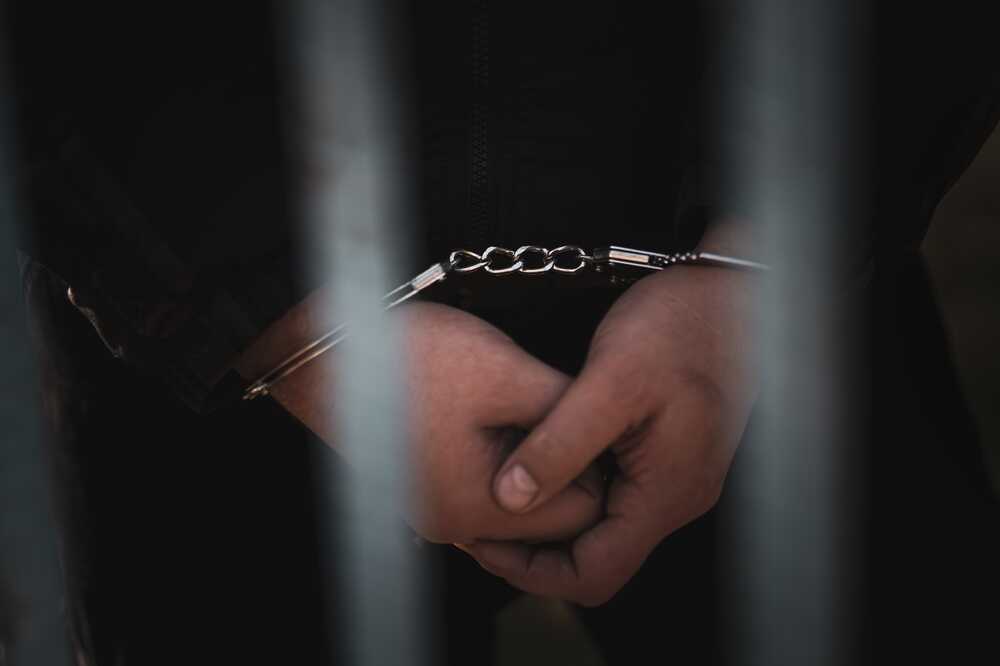
On May 11, after detectives obtained an arrest warrant, police arrested 54‑year‑old Trussville resident Jeffrey Scott Towers and charged him with manslaughter in connection with Robeson’s death.[1] Reports identify Towers as the father of Robeson’s boyfriend at the time of her death, placing the case squarely in a domestic setting rather than a street crime scenario.[1] Local coverage notes he was taken into custody without incident and booked into the Jefferson County Jail on a thirty‑thousand‑dollar bond pending further proceedings.[2]
Who Was Whitney Robeson, And What Do We Actually Know?
Reports describe Whitney Harlow Robeson as a 22‑year‑old Richmond, Virginia, native and graduate of the Collegiate School who had recently completed college and moved to Alabama.[1] Coverage notes that she had just begun working as a trade consultant at Restoration Hardware in Birmingham, suggesting she was at the start of a long‑planned career path.[1] A tribute from an Auburn University outlet portrays her as a high‑achieving, well‑liked young woman whose life and opportunities were cut short by the shooting.
Media reports agree on several core facts: Robeson’s age, identity, Virginia roots, and the March 7 timeline from the 9:30 p.m. call to her death at the hospital shortly before 11 p.m. They also agree that the shooting occurred inside a Trussville home and involved the family of the man she was dating.[1] Beyond these constants, however, the public record stops short. No outlet provides the caliber of the firearm, the distance of the shot, trajectory information, or even a clear statement of who is alleged to have pulled the trigger.
Silence From Authorities And The Risk Of Trial By Headline
Coverage from Richmond outlet WTVR reports that the arrest followed what Trussville police call an “extensive investigation” by their Criminal Investigations Division. That phrase suggests more than a snap judgment and implies some combination of scene work, interviews, and forensic analysis. Yet the same report states plainly that police “have not released details into why Towers was charged,” leaving the public with the charge but not the evidence that supposedly justifies it. That gap matters in a highly emotional case.
Henrico Citizen and Birmingham station WBMA repeat the basic law‑enforcement account: an Alabama father, the boyfriend’s dad, has been charged with manslaughter in the March shooting death of Robeson.[1] None of the available reporting includes the arrest warrant, probable‑cause affidavit, autopsy findings, or ballistics results.[1] Without those documents, citizens cannot see what changed investigators’ minds from “appeared accidental” to “manslaughter,” or whether that shift rests on direct evidence, inference, or hearsay.[1] For conservatives concerned about due process, that is a serious concern.
Gun Responsibility, Family Homes, And Conservative Concerns
This case illustrates a recurring pattern in firearm incidents inside the home: a tragedy first described in cautious police language, later reclassified as a criminal case once detectives believe they have enough to allege culpable conduct.[1] For law‑abiding gun owners, that pattern underscores two truths. First, firearms demand strict responsibility and safe handling because a single negligent moment can shatter multiple families. Second, once a gun is involved, the legal and media systems often move quickly from uncertainty to blame, sometimes faster than the facts reach the public.
Conservatives who support the Second Amendment can acknowledge the heartbreak in Robeson’s death while rejecting any rush to use such cases as excuses for broad attacks on gun rights. The limited public record here should prompt calls not for new federal crackdowns, but for transparency: release of the warrant, forensic reports, and 911 and dispatch records so citizens can evaluate the state’s claims for themselves. In an era of politicized prosecutions and sensational national headlines, insisting on full facts before judgment is a defense of both liberty and genuine justice.
Sources:
[1] Web – Man charged in connection with Collegiate graduate Whitney …