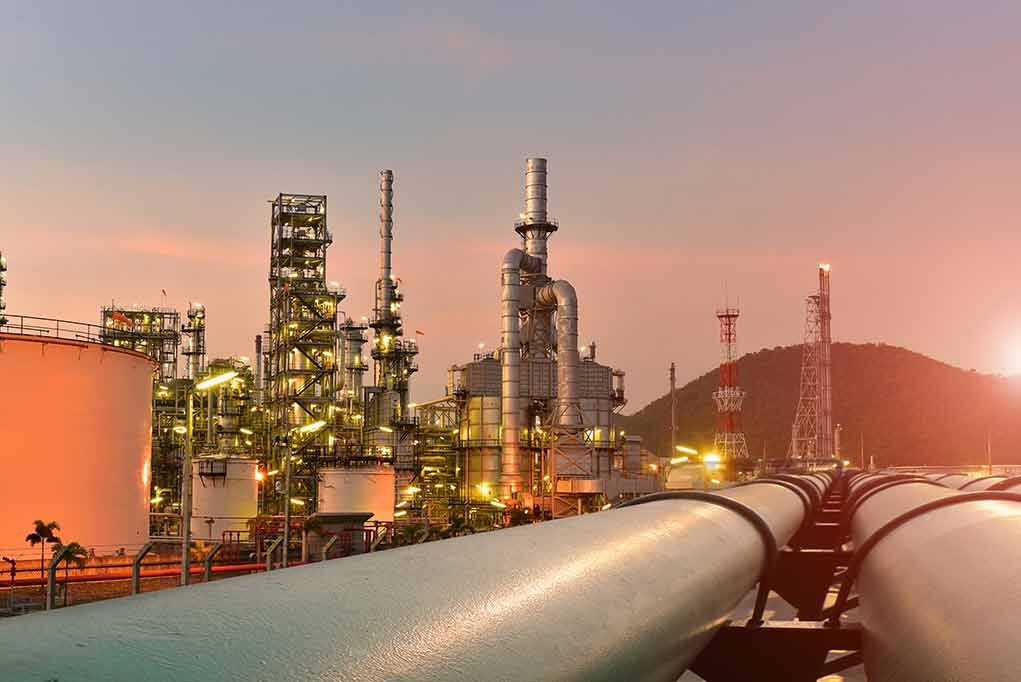
As war with Iran drives global energy prices higher, Big Oil’s soaring profits are now feeding new left‑wing demands for punishing windfall taxes and more government control over America’s energy future.
Story Snapshot
- Major oil companies report profits doubling or more as U.S.–Iran fighting disrupts supplies and lifts prices.
- Liberal lawmakers and activist groups use the profit spike to push new “windfall” taxes and more regulation.
- These earnings largely reflect higher market prices and production, not proven fraud or illegal gouging.
- How President Trump responds will shape gas prices, energy security, and free‑market competition going forward.
War, Supply Shocks, and Soaring Oil Profits
Fighting between the U.S. and Iran, including strikes around the Strait of Hormuz, has squeezed global oil supplies and driven prices sharply higher, and that jump has flowed straight into the bottom line for major producers and refiners. Brent crude and other benchmarks climbed as cargoes were delayed or rerouted, while traders priced in the risk that key shipping lanes could be blocked for weeks. When every barrel sells for more, companies with existing wells and refineries earn more on the same output, so profits rise without any change in basic operations.
Several big names have reported eye‑catching numbers. Exxon Mobil told investors its second‑quarter profit more than doubled to about $14.5 billion compared with the same quarter a year earlier. Chevron nearly quadrupled its earnings to just over $12 billion, with revenue up more than 50 percent on higher fuel prices and strong refining margins. In Europe, six major oil companies together made $22 billion in the first quarter of 2026, a jump of 43 percent from the year before, which analysts linked directly to war‑driven price spikes and solid trading gains. BP said its $3.2 billion quarterly profit, more than double last year’s level, came from “exceptional” performance in its oil business as Iran‑related tensions lifted crude costs.
Activist “Windfall” Narratives and Push for New Taxes
Liberal advocacy groups and some media outlets have quickly framed these earnings as “war profits” or “unearned windfalls,” arguing that companies are cashing in while ordinary families struggle with higher gas and diesel bills. One Guardian‑backed analysis claimed the top 100 oil and gas firms took in more than $30 million in extra profit per hour during the first month of the Iran conflict, purely from higher prices, and projected as much as $234 billion in such gains if $100 oil holds all year. A related study by Global Witness and other climate activists highlighted large estimated war‑linked boosts for companies like Saudi Aramco, ExxonMobil, Shell, and Chevron, and urged governments to claw that money back through special taxes.
Those talking points have moved quickly into politics. Progressive senators, including longtime fossil‑fuel critics, have demanded hearings and floated new levies on what they call “massive windfall profits” as Americans pay more at the pump. Commentators at outlets like the New York Times and Euronews say the profit surge “revives” earlier European experiments with emergency energy taxes and should be a model for the United States as well. Their argument is that because production costs have not jumped nearly as much as prices, the extra margin is “excess” and should be redirected through government programs rather than left with shareholders and reinvested in future supply.
Are These Profits a Legitimate Market Outcome?
Industry reports and neutral economic coverage, however, stress a simpler story: oil and gas are global commodities, and when war or policy folly disrupts supply, prices rise and producers earn more on every unit they sell. BBC analysts note that costs to pump and refine a barrel do not change much day to day, so revenue climbs faster than expenses when markets tighten, which naturally pushes earnings higher. Financial outlets and data services show that profits jump in many directions during crises; some companies gain more because they have strong refineries or smart trading desks, while others with weaker positions or worse timing see smaller benefits or even losses.
Even some activist‑linked reports admit their huge numbers come from rough modeling, not from company books or detailed audits. They usually rely on average prices and broad global output to estimate theoretical “war gains,” then label the whole figure as windfall profit, even though firms also face higher security, insurance, and shipping risks in a conflict zone. So far, there is no public evidence that major U.S. oil companies broke the law, colluded to fix prices, or falsified earnings; instead, the data show their margins expanded because demand stayed strong while physical fuel markets and inventories tightened during the fighting.
What’s at Stake for Consumers and Constitutional Values
For American families, the immediate pain is real. Higher crude and refined fuel prices mean more expensive gasoline, diesel, and jet fuel, and inflation pressures hit hardest for working people who must drive to work or keep small businesses running. At the same time, stable domestic production is a key shield against even worse shocks; when U.S. companies can ramp up output, they help offset foreign supply cuts and keep the country from becoming more dependent on OPEC or hostile regimes. Punishing producers through sweeping new taxes or heavy‑handed regulation could discourage investment in new wells, pipelines, and refineries, leaving America weaker the next time global energy markets are rocked by war or disaster.
Major oil companies book massive profits as fighting between US and Iran continues | AP News https://t.co/grq0HAhnQB
— Believer (@raybyers1) July 31, 2026
Conservatives who care about limited government and free markets see a clear pattern. Every time global events push prices higher, the left uses public anger to justify more taxes, more regulations, and more control from Washington and foreign bureaucrats, instead of tackling the real problems of unstable regions, bad trade deals, and years of underinvestment in U.S. energy. Under President Trump, the administration now faces a choice: defend the basic rule that legal businesses can profit in volatile markets while going after any proven fraud or collusion, or bend to activist pressure that treats every gain as suspect and every successful energy firm as a political target. How that choice is made will shape not only what you pay at the pump, but also whether America remains an energy‑strong, constitution‑respecting nation or slides back toward managed scarcity and government‑run “climate” experiments that never seem to lower costs for ordinary people.
Sources:
washingtontimes.com, npr.org, bbc.com, investing.com, moneycontrol.com, wsj.com, statista.com, globalwitness.org, finance.yahoo.com, reuters.com, nytimes.com, theguardian.com, cnn.com, facebook.com, reddit.com, euronews.com