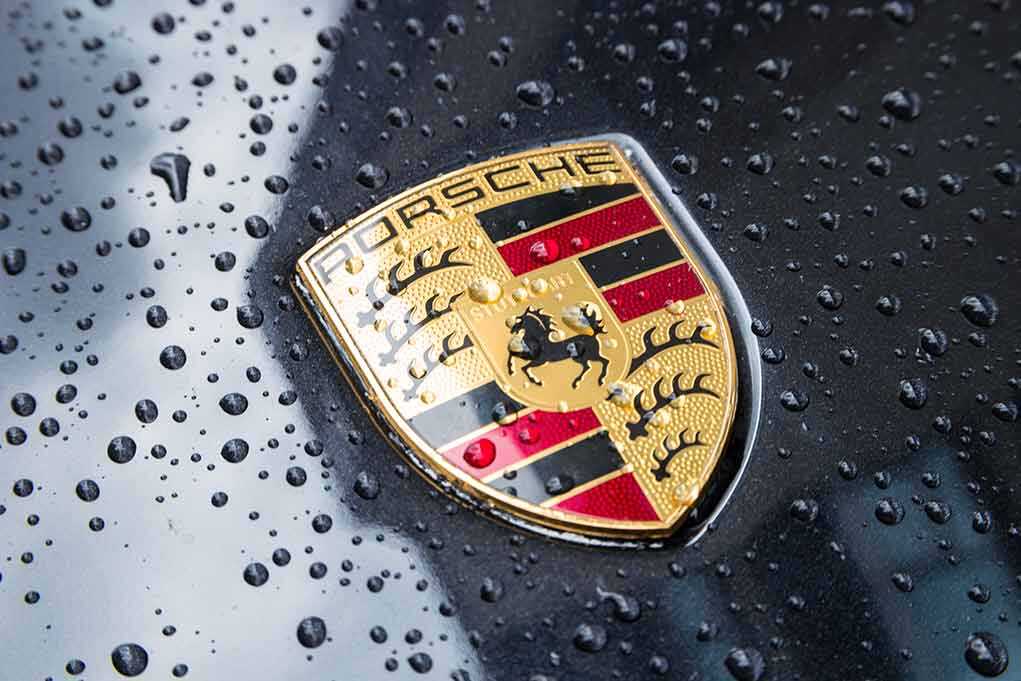
Germany’s most famous sports car maker is cutting 5,000 more jobs by 2035, a sharp warning about how global green and trade policies are hammering real workers while elites brag about “transitions.”
Story Snapshot
- Porsche will scrap 5,000 additional jobs in Germany by 2035, lifting total cuts to about 9,000.
- The company links the move to collapsing profits, weak China sales, and stalled electric car plans.
- Management and labor agreed to avoid forced layoffs, using retirements and “voluntary” exits instead.
- Workers keep factory guarantees to 2035, but face smaller raises and reduced Christmas bonus pay.
Porsche Deepens Job Cuts As Global Green Agenda Bites
German sports carmaker Porsche, part of the Volkswagen Group, has now confirmed it will cut a further 5,000 jobs in Germany by 2035 under a new restructuring package. That brings total planned reductions to about 9,000 positions, close to one in five of its workforce. The cuts hit staff at its main Stuttgart-Zuffenhausen plant and the Weissach development center, the heart of Porsche engineering pride. This is not just a company story. It shows how global energy and electric vehicle policy choices are squeezing industry and workers.
Porsche’s sales and profits have taken a beating, especially in China, where homegrown electric vehicle makers and local policies have undercut Western brands. Reports say the company has seen profits collapse after weak demand and heavy pressure on its electric car strategy. Management is now scrambling to “boost competitiveness,” a polite way to say they must cut people to satisfy global investors and cope with political rules that favor certain technologies. When elites push rapid “green transitions” without regard for cost, ordinary workers in places like Stuttgart are the first to feel the pain.
How The Restructuring Package Works Behind The Headlines
Porsche and labor representatives issued a joint statement describing this second round of cuts as a “socially responsible reduction” of 5,000 jobs by 2035. The company promises no compulsory layoffs at the covered German sites, instead leaning on natural attrition, demographic changes, expanded partial retirement, and voluntary severance deals. That language matters. On paper, workers will not be marched out by force. In practice, when raises are cut and bonuses trimmed, many feel strong pressure to leave “voluntarily.” The deal extends employment and site guarantees at Zuffenhausen and Weissach to 2035 and includes a pledge to invest about €2.1 billion there.
This package is part of Porsche’s so-called “Future Package” and wider “Strategy 2035,” which aims to reshape the company while keeping German plants open. To fund that plan, management and labor agreed to a series of cost-saving measures that fall on the workforce. About 3.5 percent of current and future collectively agreed pay increases will be deferred until 2035 for employees covered by Porsche’s pay framework. The voluntary employer-funded share of Christmas bonuses will drop sharply, cutting the maximum payout from 100 percent to 60 percent of a month’s salary. Senior managers will also give up part of basic pay increases in 2027 and 2028, a sign that even the top brass must share some of the burden.
What This Means For Workers, And Why Americans Should Pay Attention
For German workers at Porsche, the deal is a mixed blessing. Jobs at the key plants are formally protected until 2035, and the company promises no forced dismissals. There will even be a one-off “transformation payment” of €1,500 per employee in August 2026, with union members receiving an extra €411 plus an annual voucher. Yet nearly one in five positions are set to disappear, and remaining staff will live with smaller pay increases, reduced bonuses, fewer mobile work days, and tighter production schedules. They are trading long-term job security for lower take-home pay and less flexibility. Many families will find that trade hard to swallow.
Porsche Deepens Restructuring, Targeting 9,000 Job Cuts by 2035 Amid EV Slowdown https://t.co/mzhtPfviOx pic.twitter.com/wR5WVeH4AG
— Beijing Times (@BeijingTimes_) July 27, 2026
American readers should see a clear lesson here. When global climate and trade policies are written far from the factory floor, they can hollow out once-strong industrial bases. German automakers are now wrestling with expensive electric vehicle mandates, fierce Chinese competition, and shaky consumer demand. The answer from boardrooms often looks the same: cut jobs, cut pay, and call it “competitiveness.” President Trump has warned for years that bad global deals and green mandates hit workers first, whether in Michigan or in Stuttgart. This Porsche plan shows how quickly elites overseas accept shrinking industrial workforces as the “new normal,” even while promising “socially responsible” exits.
Sources:
motor1.com, investing.com, english.news.cn, gvwire.com, english.aawsat.com