Newly released police body-camera footage from Austin raises sharp questions about early claims surrounding an immigration stop that ended in gunfire.
Story Highlights
- Homeland Security said the Venezuelan man was in federal custody pending removal and survived the shooting.
- Austin’s police chief said city officers were not part of the operation and the shooting followed a traffic stop.
- Local and national figures demand release of any federal body-camera footage and a full, independent probe.
- The man’s lawyer says available video undercuts a key element of the initial narrative.
What Authorities Confirmed About the Austin Shooting
Department of Homeland Security officials said a federal immigration enforcement operation in North Austin led to an agent firing on a Venezuelan man who had a final order of removal. Officials said the man was stable after treatment and remained in federal custody pending removal, and that the investigation is being run by Homeland Security Investigations with help from the Federal Bureau of Investigation (FBI). Austin’s police chief said the shooting occurred after a traffic stop, and city officers were not part of the operation.
Travis County dispatch audio and local reports placed the stop near Research Boulevard and the Highway 183 underpass. That timeline supports that federal officers were actively engaged in an enforcement stop, not an unrelated encounter. The federal investigation now controls the evidence and the timeline. Officials have not publicly explained why the agent fired, what threat he perceived, or the exact sequence before the shot, leaving key use-of-force details undisclosed.
Body-Camera Gap Fuels Demands for Transparency
Reporters asked whether the involved immigration officer wore a body camera. Department of Homeland Security statements did not answer that question, and the agency did not give a detailed account of the moments before the shot. That silence has led to a flood of calls for video release. Congressman Greg Casar demanded an independent investigation and the immediate release of any complete and unedited footage, along with full evidence preservation across agencies.
Those calls echoed across local and national coverage, which framed the issue as an urgent transparency test. The focus shifted from the stop itself to whether the federal agency will produce footage, policies, and reports. That emphasis follows a broader pattern: when video is missing or withheld, debate quickly centers on accountability rather than facts from the scene. In this case, critics say the public needs to see any federal video to judge claims about what led to the gunfire.
New Police Video Raises Fresh Questions
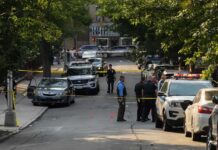
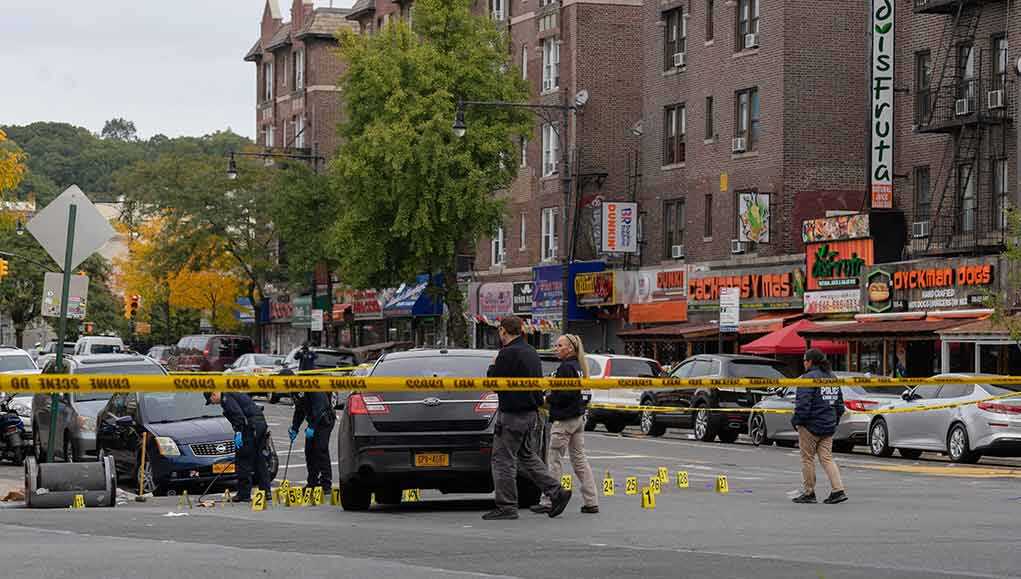
Austin police later released body-camera footage from city officers who arrived after the federal shooting. The release does not show the actual moment of the shot, because city police were not involved, but it captures the aftermath and scene control. The victim’s attorney says separate video evidence contradicts an early narrative about a foot pursuit, creating a direct factual dispute that only fuller federal evidence can resolve.
Austin Police Department officials released body camera footage following the aftermath of the ICE shooting that left a Venezuelan man with a bullet wound in his back. APD said its investigation into the shooting is ongoing.
Read more about this story by visiting the link in our pic.twitter.com/Iw3AetA2Yf
— KTSM 9 News (@KTSMtv) September 23, 2026
Because city video shows only the response, not the use of force, the core questions remain with federal authorities. Officials have not yet identified the federal officer, released federal body-camera footage if any exists, or provided a use-of-force report. The Department of Homeland Security’s brief statement confirms custody status and the ongoing probe but does not explain the decision to fire. That leaves the public relying on partial videos and secondhand claims while the formal review proceeds.
What Conservatives Should Watch Next
Federal agencies must uphold the Constitution while enforcing immigration law. Clear video, dispatch records, and written reports help prove that. Conservatives back strong borders and lawful removal of those with final orders, but they also expect transparent, accountable policing. The fastest way to end speculation is a timely release of federal footage, camera logs, and a precise timeline. Until then, the narrative will be shaped by leaks, attorneys, and politicians, not by verified facts from the case file.
Key Outstanding Evidence and Accountability Steps
First, federal officials should say whether the involved officer was issued and wearing a body camera, and release any recordings and metadata. Second, the investigative file should include dispatch logs, witness statements, photos, and a use-of-force report that spells out the threat assessment. Third, supervisors should confirm policy compliance during the stop and after the shooting. These steps protect due process for the officer and the public’s right to know what happened.
Sources:
nbcnews.com, npr.org, apnews.com